A market in transition: how megaprojects are transforming construction risk
ConstructionArticleAugust 26, 2026
As risk and insurance professionals address scale and capacity challenges in construction, a full market solution is needed, delegates heard at Commercial Risk’s 2026 Construction Risk Management Europe conference, sponsored by Zurich Insurance.
The construction risk landscape has changed dramatically, even over the past five years. With the boom in “megaprojects,” construction risks are becoming physically and financially larger, more interconnected and more technologically complex, delegates heard.
However, the new risk landscape demands new approaches, from dynamic stakeholder engagement to the use of alternative risk financing solutions.
The result? A new era of opportunity and innovation is opening for construction insurance and risk management as emerging pressure points drive rapid market evolution.
Scale is changing everything
Construction projects are not just getting larger; they are growing exponentially. From large-scale energy projects to gigafactories and the AI-driven surge in data centers, many projects now reach billions of dollars, rather than millions.
“Our average value data center in 2020 was $150 million; by the end of 2025, it was $800 million,” observed Patrick McBride, Head of International Construction, Global Specialty, Commercial Insurance at Zurich Insurance. “For the 2026 pipeline, the average is north of $4 billion.”
The energy sector is also driving growth as European governments seek to reduce energy dependencies exposed by the conflicts in Ukraine and Iran.
“The need for energy security is greater than ever,” Richard Gordon, Head of Continental Europe & Canada Construction, Commercial Insurance, Zurich Insurance, commented.
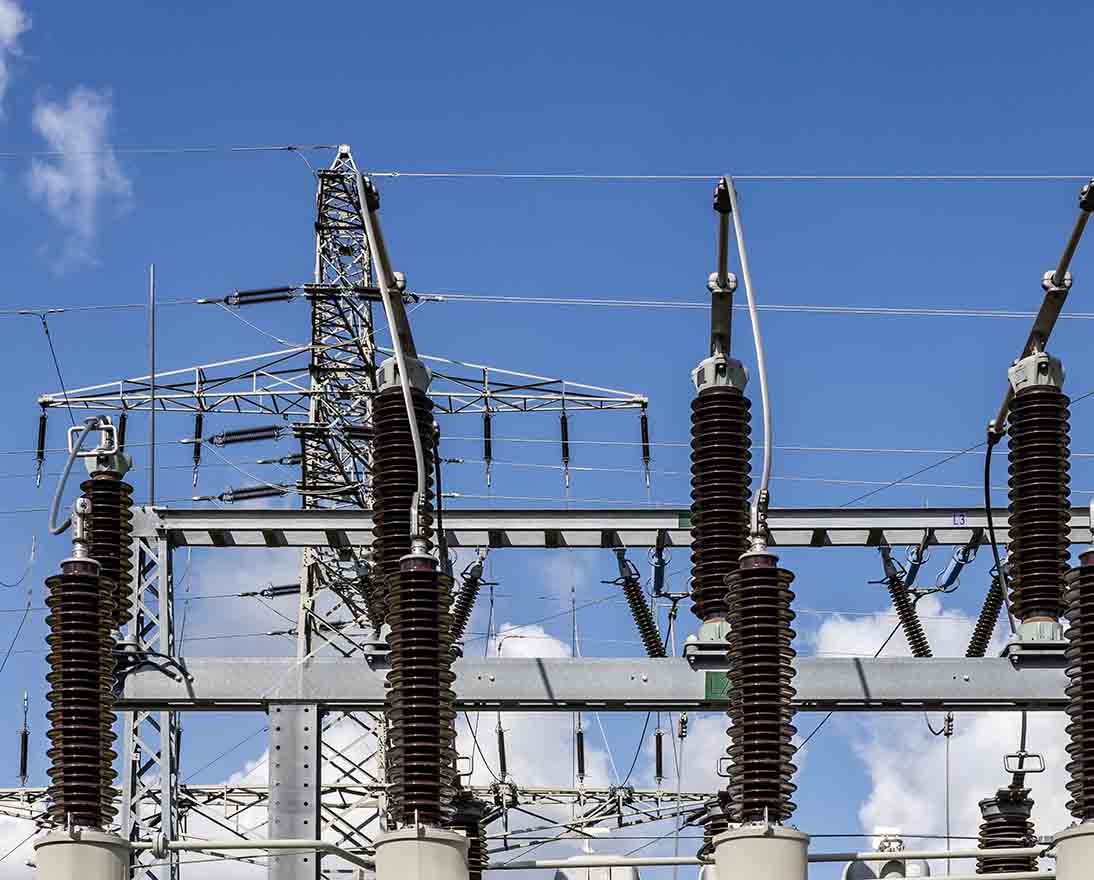
“Currently on the table are huge power projects: nuclear, small modular reactors, all the forms of renewable – solar, wind, offshore – and battery energy storage systems (BESS), as well as the decarbonization of industry sectors.”
These trends present huge opportunities both for the construction sector and the insurance industry, whose risk expertise creates the conditions for projects to thrive and gives investors the confidence to commit capital.
However, there are challenges on several fronts that require careful management, panellists noted.
First, advances in technology and computing power mean that equipment installation in projects such as data centers now costs more than core-and-shell construction. As McBride observed, the valuation model has “completely flipped on its head,” placing significant pressure on loss exposures and premiums while raising questions about long-term insurability.
Second, the sheer size and pace of the projects is putting pressure on resources – both contractor capacity and the supply of key inputs such as generators and transformers.
The real challenge is whether the sector has the capacity to deliver, questioned Gordon: “There are only certain components and suppliers that can meet the demands and speed of construction.”
Third, projects are becoming more complex, involving multiple technologies and processes. Effective project delivery relies on coordinating these components and supply chains across clients, contractors and subcontractors, each with differing priorities.
Captives find the spotlight as capacity pressures surface
As coverage expands to meet the new scale of construction, insurers must carefully manage growing pressure on market capacity, several panellists noted.
For example, in the last 12 months alone, capital markets seeking opportunistic returns in the data center space have increasingly pushed for stronger lending requirements:
"The market wants the full value of a data center to be collateralized by insurance, [leading to] requests for full limits," observed McBride. “When you’re applying this to some of the largest projects we’ve ever witnessed, this is incredibly impactful.”
This is triggering calls for a “true market solution”, opening up opportunities for alternative risk transfer solutions to support capacity and manage liquidity challenges.
Anna Kochan-Sonawane, Senior Captive Underwriter, Commercial Insurance UK at Zurich Insurance, believes that captives are particularly well-placed to support the construction sector.
Captives can complement the traditional market by absorbing selected layers of risk, and as emerging technologies and construction methods reshape the risk landscape, they provide a mechanism to bridge protection gaps and unlock capacity for large-scale projects:
“Captives offer flexibility and allow for incubating emerging risks that may be excluded on a traditional policy. It gives the company the chance to gather data and learn the impact of that particular risk,” she said.
The surge in large-scale construction projects comes at a time when captives are becoming more popular, she added: “The captives’ proposition has evolved quite dramatically. They have become a lot more mainstream, a lot more strategic. Now they are used by companies of various sizes to form part of the risk financing structure.”
Data and communication more important than ever
As projects grow in scale and complexity, it is increasingly important to bring insurance earlier into the project lifecycle and ensure claims expectations are aligned across all stakeholders, the conference heard.
Delayed startup insurance (DSU) is a case in point. Higher project values increase the potential severity of losses, with stringent project schedules meaning that delays in start-up exposures are increasingly significant.
DSU claims often arise towards the end of construction projects, so accurate information and proactive project monitoring are crucial to minimize potential discrepancies in the claims process or identify emerging delays.
“Before a loss occurs, sit down with your stakeholders and establish what information you will need to process a claim,” advised Amanda Langer, Head of Energy, Marine & Construction Claims, Commercial Insurance UK at Zurich Insurance. “Agree how it's going to be collected, in what format, where it's going to be stored, how it's going to be verified and processed, and – importantly – how it's going to be shared,”
Engaging with external experts early in the process is also important, she adds. Specialist help is often required as projects grow in complexity, but their purpose must be clearly defined from the outset: “It's about getting the right people engaged up front and agreeing how we can get to a resolution,” she said.
Conclusion: understand your interdependencies
The opportunities afforded by the growth in megaprojects provide an exciting moment for the industry. However, one of the clear messages from the conference was that both construction and insurance industries must quickly adapt to a range of new risks and challenges.
Perhaps the most important implication is that scale no longer simply means bigger projects. It means greater complexity.
Projects today touch myriad risks, stakeholders and supply chains; as projects continue to grow, having a clear understanding of the pressure points and interdependencies will become vital, not just for the effective delivery of the projects but also for successful insurance outcomes.
For insurers, the opportunity is ripe to support the sector through a full market solution that brings together traditional, emerging and alternative parts of the market. As during all periods of rapid change and advancement, this will demand strong communication and collaboration between customers, brokers and insurers and innovation across the market.
Originally published on Commercial Risk on August 26.