The “invisible risk”: the business impact of a deepening water crisis
Climate ChangeArticleOctober 28, 2025
Global water scarcity is worsening, with far-reaching societal, economic and corporate implications. Climate change, societal and demographic trends underpin the crisis, but there are tangible mitigating actions organizations can take now to protect long-term value.
Depending on where you live, the global water crisis may not yet be tangible. And yet for billions of people around the world, this “invisible risk” is already a stark reality, according to Christian Bréthaut, Associate Professor of Water Governance at the University of Geneva, speaking at Zurich’s 2025 Global Risk Management Summit. “We don’t necessarily see the crisis... We assume that water is always there, but that's not the case anymore.”
Speaking with Amar Rahman, Global Head of Climate and Sustainability Solutions, Zurich Resilience Solutions, Bréthaut warned that over two billion people currently lack access to safe water (UNICEF); 3.4 billion lack proper sanitation (UNICEF); and 1.4 million people – many of whom are children – die annually from water-related diseases (World Health Organization).
Over the next 25 years, climate change will make water scarcity more widespread. By 2050, extreme water stress will affect major populations, such as India, with profound consequences for livelihoods and the global economy.
Other economic powers – including the U.S., China, Western Europe and Australia – will also face high or medium-high water stress. Meanwhile, countries like Switzerland, that are relatively secure in the medium term, will face a different type of challenge in the form of pressure for resources from neighboring nations.
Water is critical to value chains
Virtually all organizations are connected to the water crisis. First, many corporates are significant contributors to water stress due to their water consumption, either in their direct operations or in supply chains. Agriculture, for example, is responsible for 70% of freshwater withdrawals globally, while industry consumes 19% of supplies (2024 UN World Water Development Report).
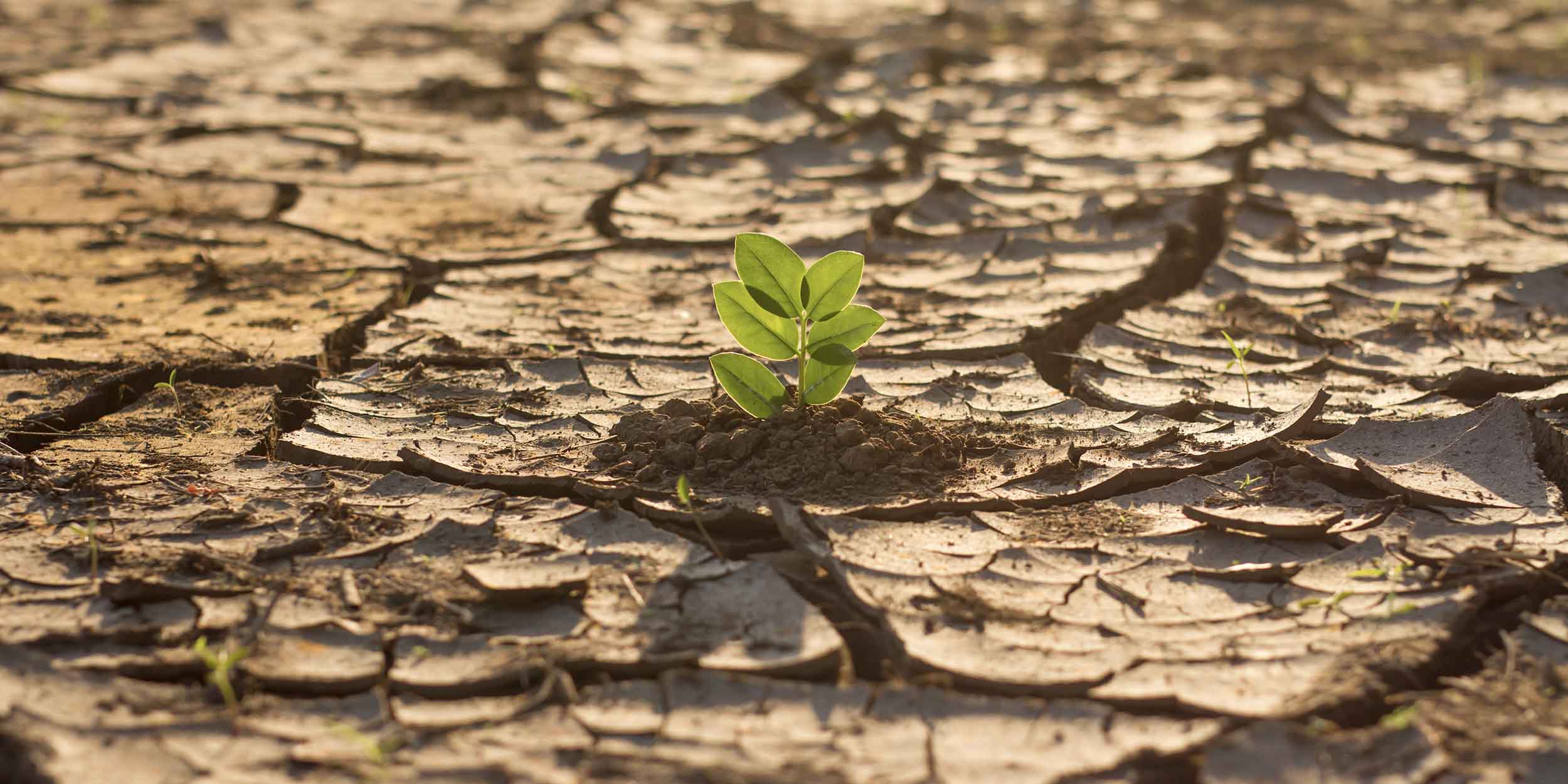
Second, businesses are also suffering the effects of water scarcity across their operations and suppliers – a trend that will intensify over the next 25 to 50 years. Water is critical to value chains, explained Bréthaut: “I’m sure that your businesses are already facing difficulties related to water management and climate change will worsen the situation.”
Recent droughts have disrupted global corporates. In 2021, a severe drought in Taiwan affected semiconductor production – an extremely water-intensive process. The disruption cascaded across global supply chains, causing major delays in technology and automotive sectors (Taipei Times).
In 2022–23, water stress in South Africa hurt barley and hops supplies, affecting the global beverage industry (Ceres). Meanwhile, last year’s drought in the Amazon Basin – which is supposed to be one of the most humid places in the world – disrupted river transport and food supply due to crop failures and reduced dairy output (CNN).
Businesses must be part of the solution
While climate change is the underlying driver of worsening water stress, poorly managed urban planning and rapid population growth are compounding the situation.
“Urban development is playing a crucial role in water availability,” said Rahman. He explained that heat and drought, usually occurring together, increase water demand which causes more groundwater extraction – leading to subsidence, rupturing infrastructure and long-term degradation.
Bréthaut cited the severe drought in Cape Town between 2015 and 2018 as a stark reminder of how more effective urban management could have significantly mitigated – if not entirely prevented – the crisis. At its peak in 2018, the city faced extreme water rationing, with residents queuing in the streets for daily water allowances.
While climate change undoubtedly played a role, a host of avoidable human factors exacerbated the situation: insufficient long-term planning, failure to account for rapid population growth, inadequate crisis response, lack of diversification in water sources, and underutilization of technologies such as water recycling and groundwater extraction.
The crisis stands as a clear warning of the critical need to integrate water stress considerations into modern infrastructure planning in both the public and private sector. There is currently a lack of political willingness to invest, he argued: “We need governance, policies and frameworks that allow increased adaptive capacities.”
Public-private partnerships will become essential, and there are a range of ways that the private sector can engage, including collaboration with local communities, investing in shared infrastructure and engaging with regulators and NGOs.
Actions for risk professionals
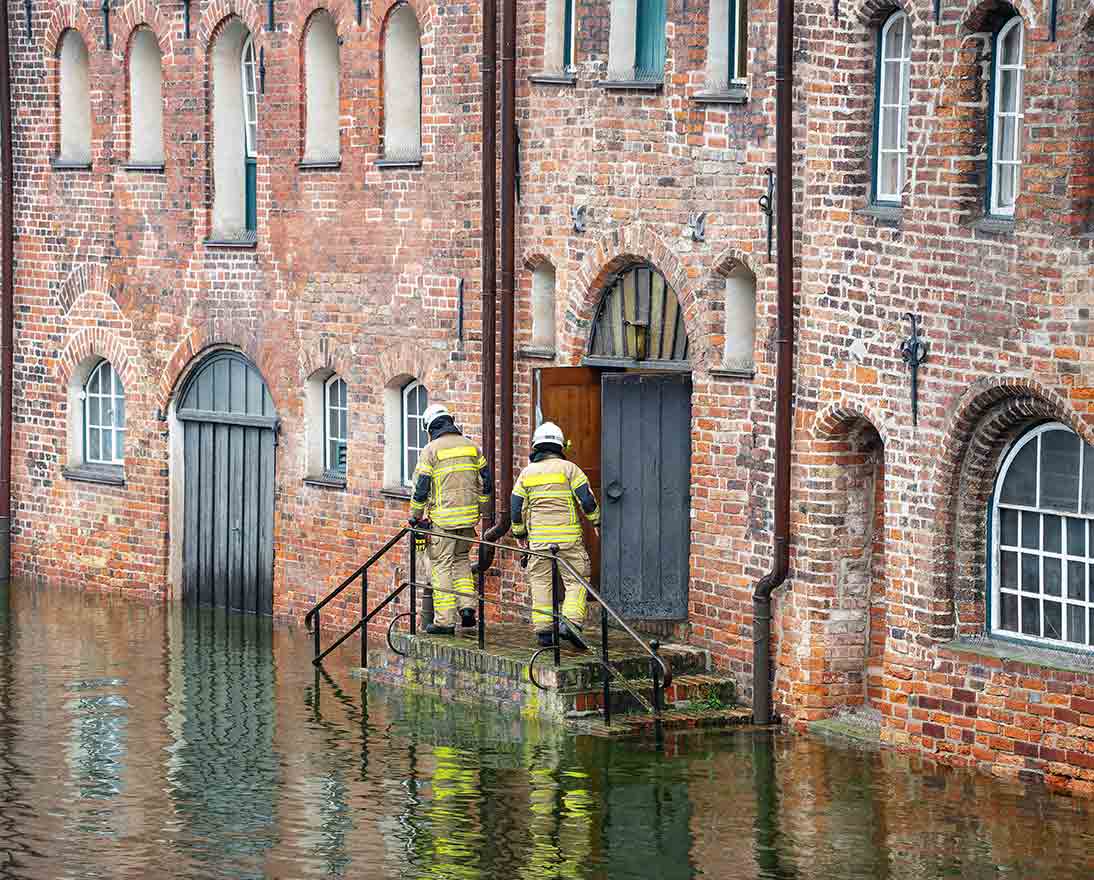
Given the far-reaching business implications, water scarcity should be a central tenet of risk management strategies, Bréthaut argued. While floods often receive attention, access to water is still overlooked, however.
“Good risk management must take water into consideration...We must reflect on water as an adaptation measure that is integral to the resiliency of supply chains for all industries,” he said.
Some large businesses already model global water risk to inform decisions. As one summit attendee said:
“We’ve mapped our climate change profile globally so we know that by 2050, there are areas where we operate today that will not have sufficient water left to function. So decisions need to be taken – either to shut down or to completely reinvent the water supply for the operations.”
Proactive management ranges from long-term infrastructure planning to short-term crisis management. Some actions will demand major shifts in business models, such as the adoption of regenerative farming seen in Switzerland and Germany. Others are simpler and local – like planning for water truck access during droughts, as happened during Taiwan’s semiconductor crisis.
“Sometimes the solutions are very easy,” said Rahman. He explained how Zurich Resilience Solutions worked with one customer who used permeable pavers and installed a tank beneath the parking lot to collect and reuse water for their operations.
Businesses should take a long-term perspective, however. “It will cost in terms of money, time and human resources,” warned Bréthaut. “But in the long run, the cost of action is less than the potential financial risks.”
Technology will play a critical role – but it’s no silver bullet, he noted. Tech advances and artificial intelligence are improving our understanding of water systems, leak detection and water efficiency. But current technologies have limits and can sometimes be part of the problem.
For instance, desalination – the process of making salt water suitable for human consumption – is costly, energy-intensive and harmful to local ecosystems. Though it may form a central part of future water production in some areas, it is only viable in limited contexts.
Protecting long-term value
Despite the severity of the water crisis, there is a disconnect between risk perception and reality, observed Rahman. Operational teams often dismiss long-term risks such as drought due to a lack of personal experience: “Risk is subjective. We are all sensitized by our own personal experiences.” As a result, people struggle to engage with concepts such as a one-in-100-year flood or a one-in-500-year drought. As risk managers, we need to adapt our language to make the risks more tangible to business leaders.
To get buy-in across the organization and with senior leadership, he recommends starting with business impact. Map pain points where water is vital or vulnerable in the value chain – consider potential triggers and controls and build engagement from there. “Water is interesting because it fits into every chapter of the story. It’s a unique risk.”
The key message for business leaders is that water stress is not a future threat – it’s impacting individual lives and corporate balance sheets today, and mitigation takes time and planning. Cape Town’s water crisis nearly reached “day zero,” where residential supplies would be cut off. The city was saved, in the end, by good fortune: the rains came.
No business or government should rely on luck.
“Do not wait for a crisis to take action,” Bréthaut urged. Proactive planning, strategic investment and collaboration are essential to building resilience. Companies that recognize water as a critical resource and act now will be better positioned to navigate future challenges and protect long-term value.
Originally published on Commercial Risk on October 28, 2025.