Valencia floods: lessons in claims and recovery, one year on
SustainabilityArticleDecember 3, 2025
Spain’s DANA floods in late 2024 exposed the complexities of disaster recovery – and put insurance programmes and claims processes to the test. The event revealed how insurance, business continuity and community resilience are interdependent in a world of rising climate risk.
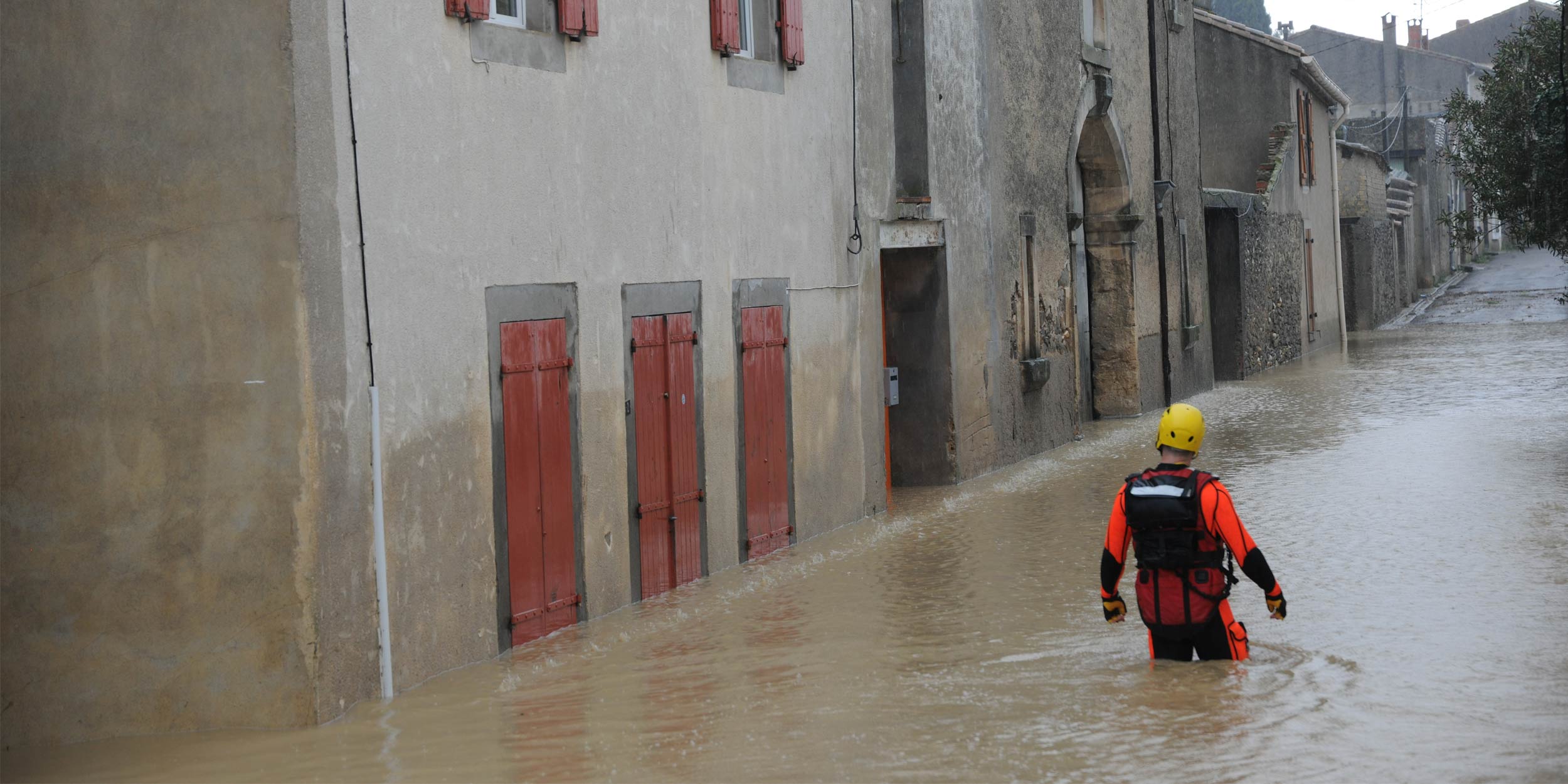
When catastrophic flooding hit Spain’s Valencia region in October 2024, the images were devastating – submerged cars, inundated homes and businesses brought to a standstill. The isolated high-level depression, known as a DANA, was a humanitarian catastrophe, affecting over 300,000 people, causing widespread disruption to essential services like water and electricity and causing economic losses exceeding €20 billion.
The scale of the disaster triggered the Insurance Compensation Consortium (Consorcio de Compensación de Seguros, CCS), Spain’s public-private partnership designed to cover natural hazard risks and fill protection gaps. The sheer magnitude of the DANA event demanded an unprecedented change in protocol in which private insurers, including Zurich, collaborated with the CCS to deliver an agile claims response.
When events of this scale and impact occur, it is important to reflect – and act – on the lessons learned. No amount of classroom training, tabletop exercises or claims protocols can replicate a disaster of this nature, yet prevention remains a critical challenge that must be addressed. The unique events that unfolded created a set of lessons for insurers, businesses and governments alike, encompassing consortium operations, disaster management, resilience planning – and above all the power of community.
Disaster, response and the role of insurance
The insurance response to the DANA was inseparable from the human story. The disaster unfolded from the ground up, beginning with local communities and cascading through to multinational organisations with operations in the region, many of which had complex insurance claims needing rapid attention. Zurich mobilised a dedicated response team immediately, physically deploying claims handlers to affected areas and assisting in clearing local brokers’ offices to enable claims processing to begin. In many cases, the insurance process could not even commence until some basic restorative measures had taken place.The priority was not only on administrative efficiency but also on providing practical and emotional support to those who had lost everything. Prioritisation was critical: claims from individuals and small businesses were processed first to address urgent needs and stabilise the community.
Under normal circumstances, the CCS manages all claims covered by its programme directly and without insurer involvement. For the DANA, this model was adapted: private insurers handled many smaller claims on behalf of CCS to alleviate the volume, while large and complex claims from multinational companies continued to be managed directly by the consortium.
This required private insurers like Zurich to act swiftly, revising internal processes, communicating the changes to customers and ensuring claims handling maintained both speed and accuracy. Lessons learned: coverage, claims and communication
Several lessons emerged from this process – both for Zurich and its customers.
First, understanding how the consortium operates and how it intersects with global insurance programmes is critical before coverage is purchased. No two national insurance schemes are the same and they are typically designed to protect homeowners and small businesses – not the needs of major corporates.
Awareness of coverage restrictions and differences in deductibles is important and paying the required consortium premium before the event is essential. Consulting with a broker is recommended both to comply with local insurance requirements and avoid coverage gaps.
CCS coverage alone is unlikely to cover the full needs of a Multinational. Consorcio provides compensation to the Insured based on two factors, the conditions outlined in the main insurance policy contracted, the payment of the corresponding surcharge. This means that the coverage needs of a multinational company are treated the same as those of an SME. To ensure adequate protection, it is essential to extend the correct coverages, including Business Interruption and ensure that these coverages apply across the Multinational Program. The DANA event also exposed the reality of underinsurance for some policyholders, demonstrating the importance of regularly reviewing valuations.
Second, a clear understanding of the consortium claims process is vital. Every public-private insurance scheme processes claims differently. In this instance the consortium processed major insurance claims directly and any additional difference in covers and policy limits was still handled by the relevant private insurer. This was the first time our teams have experienced a direct impact of the a public-private insurance scheme on claims management, thus speed and efficiency was critical during rapidly changing circumstance. For example, while the CCS covered groundwater flooding, it did not cover water ingress, electrical failures or business interruption as a direct consequence of these type of damages so these claims continued to flow through Zurich according to each policy.
For Zurich, this process required careful causation analysis and consistent communication – both with customers and the CCS. Close collaboration ensured that claims were handled accurately and efficiently, providing clarity to policyholders amid an inherently complex situation.
Third, have pre-established internal protocols and responsibilities – but be prepared to adapt. A disaster of this magnitude is fast-moving and emotionally charged and clear lines of responsibility allow for rapid response. However, unique circumstances demand adaptability. The change in claims handling process mid-event tested the agility both of Zurich’s claims team and its customers.
The resilience imperative
The event also reinforced broader lessons about resilience, the importance of prevention and the role of public-private partnerships.
At an organisational level, companies that had invested in adaptive measures fared better. One multinational client, for instance, had constructed parking facilities on rooftops rather than at street level, preventing substantial vehicle damage.
Such examples illustrate the tangible benefits of anticipatory risk management. Yet, the DANA also highlighted a tension between the need for immediate recovery and the longer-term goal of ‘building back better’. While quick payments and operational recovery were vital, effective reconstruction requires foresight, collaboration with authorities and integration of resilience measures.
While many organisations are taking an increasingly sophisticated approach to resilience planning, Zurich’s Post Event Capability Report, published on the DANA’s first anniversary, stressed that achieving structural resilience in the face of a rapidly changing climate is bigger than one organisation or even one government.
Europe is warming faster than other continents and events such as DANAs are becoming more frequent and intense. Large-scale policy alignment and action is required, and Zurich actively recognises the insurance industry’s important role in bridging private risk expertise and public policy implementation.
Valencia: a tale of community strength and vulnerability
An event of this magnitude provides a rich source of learnings and reflections. The DANA drew on the full spectrum of Zurich’s expertise, integrating underwriting, claims and resilience functions to manage both immediate response and long-term recovery.
For companies, the disaster is a real-life case study: testing insurance programs, verifying claims procedures and reinforcing the importance of resilience measures to materially reduce future losses.
However, at its core, the Valencia DANA was a story of people and communities. The insurance and claims response, while critical, was closely intertwined with community recovery: prioritising urgent needs, providing practical and emotional support and getting local businesses back up and running. By examining these experiences, insurers and policyholders alike can strengthen both preparedness and response for future catastrophic events.
Originally published on Commercial Risk on December 2, 2025.