Construction is the constraint on how quickly economies can change
Projects are larger, faster and more concentrated than much of what the industry has delivered before. For contractors, they demand highly skilled workforces and advanced execution capability. For owners, they introduce new forms of portfolio exposure. For insurers, they test accumulation limits and traditional capacity assumptions.
Beyond 2030: The Future of Construction explores the most influential intersections of risks facing the sector – and how they are transforming the way projects are planned, financed and delivered worldwide.
Resilience is not a constraint on progress, but the foundation for it.
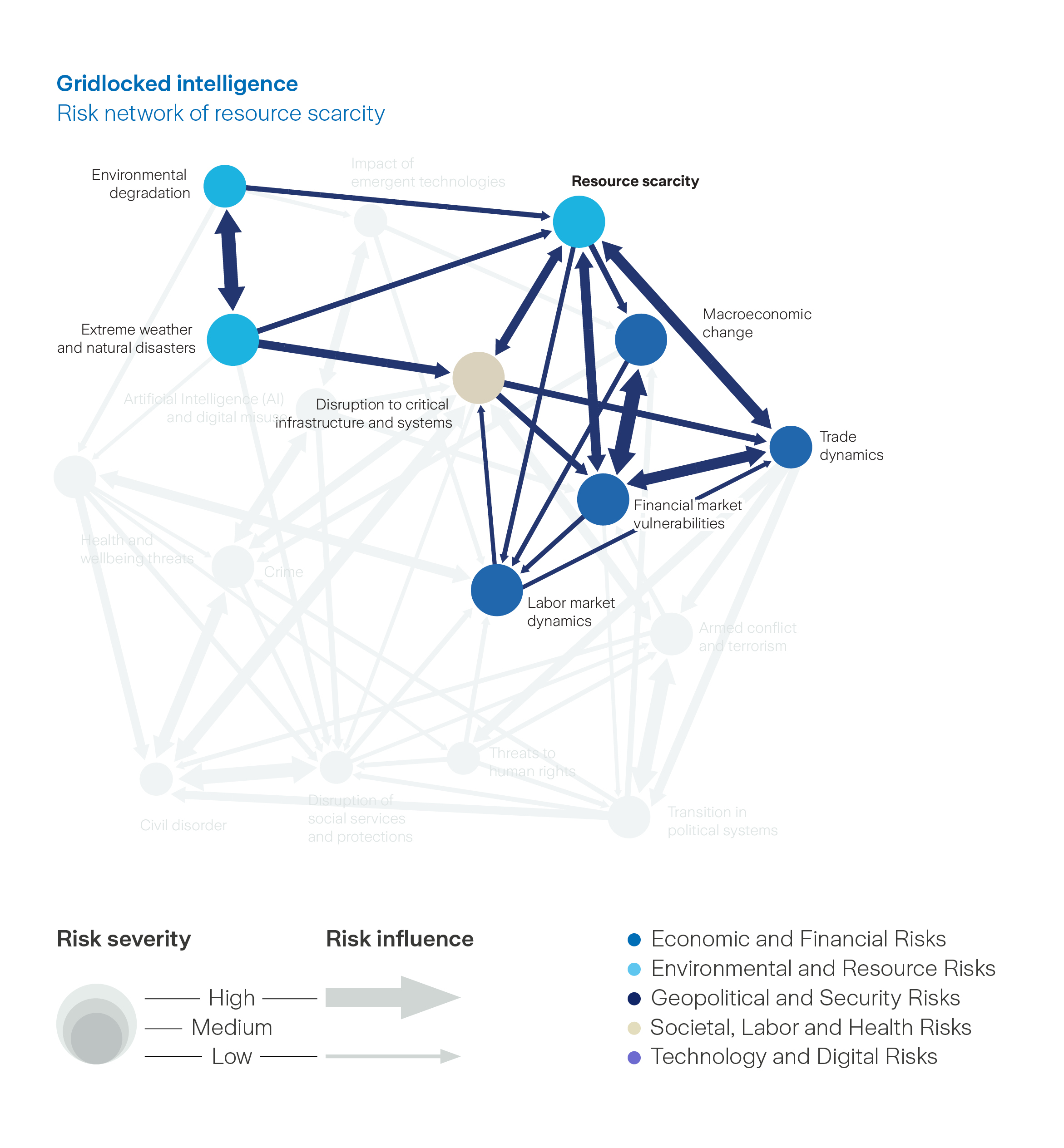
Gridlocked intelligence: Resource dependencies in the age of AI
AI-driven demand is outpacing infrastructure capacity. Projects now depend on early access to power, water, grid capacity and specialist equipment, which often sit outside the project team’s control.
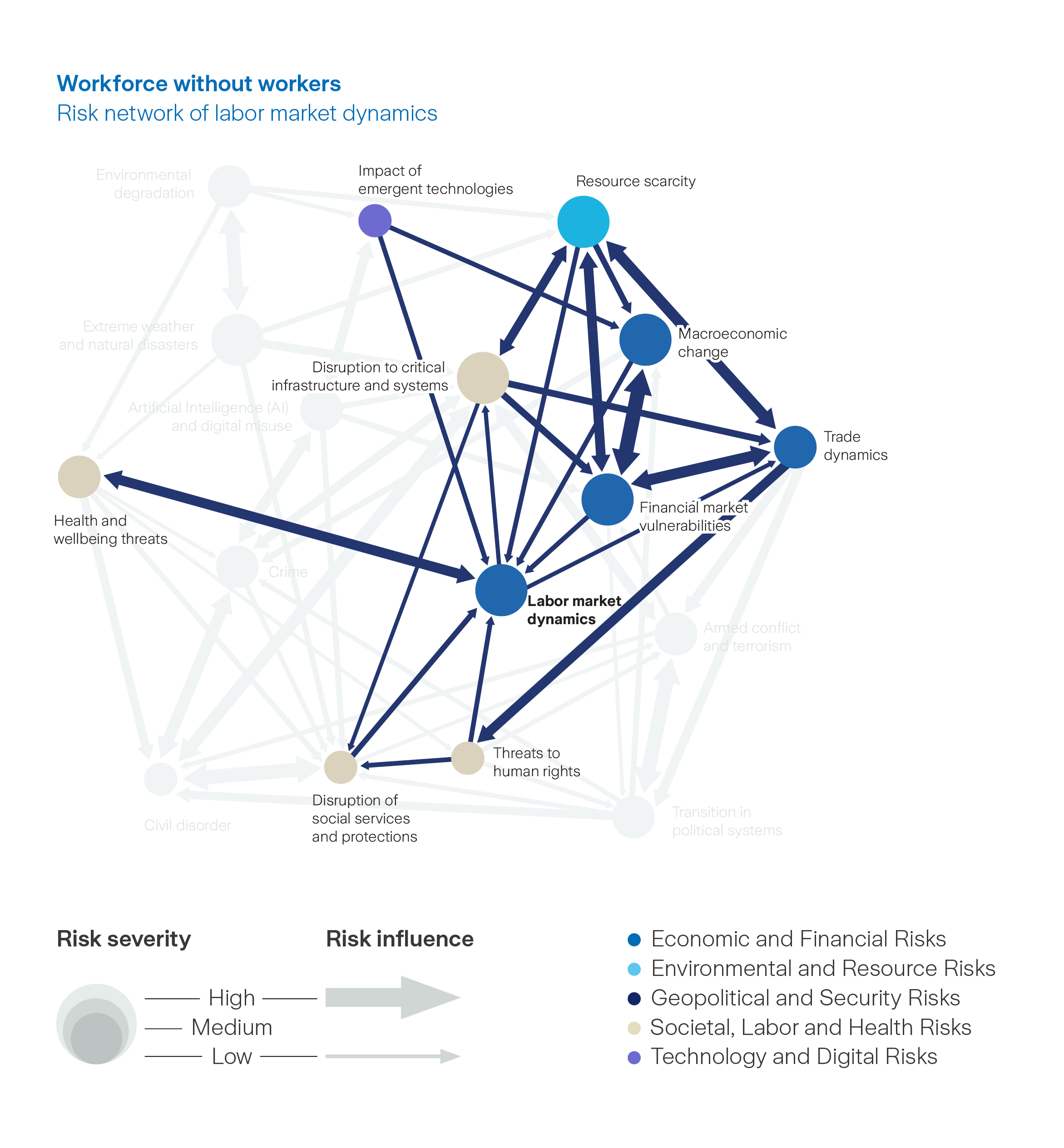
Workforce without workers: Automation as a survival strategy
Skills shortages – from aging workforces and technical complexity – are concentrating risk in a few critical roles. The capability gaps that arise can delay multi billion-dollar projects.
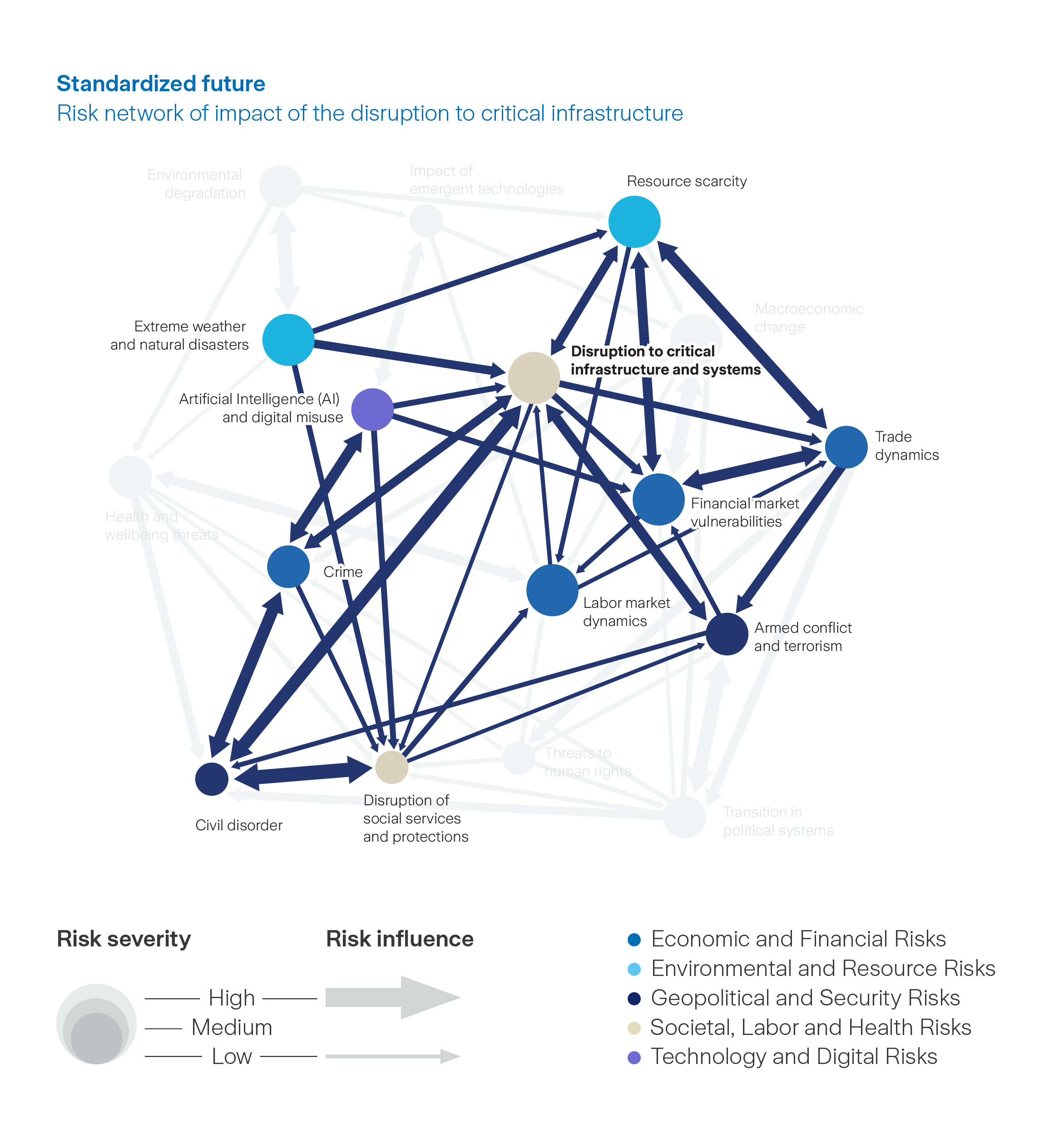
Standardized future: Scaling before durability is proven
Standardization of designs, systems and delivery models is accelerating delivery – but can also spread defects. Scaling is outpacing learning, and when designs fail, they fail at scale across portfolios.
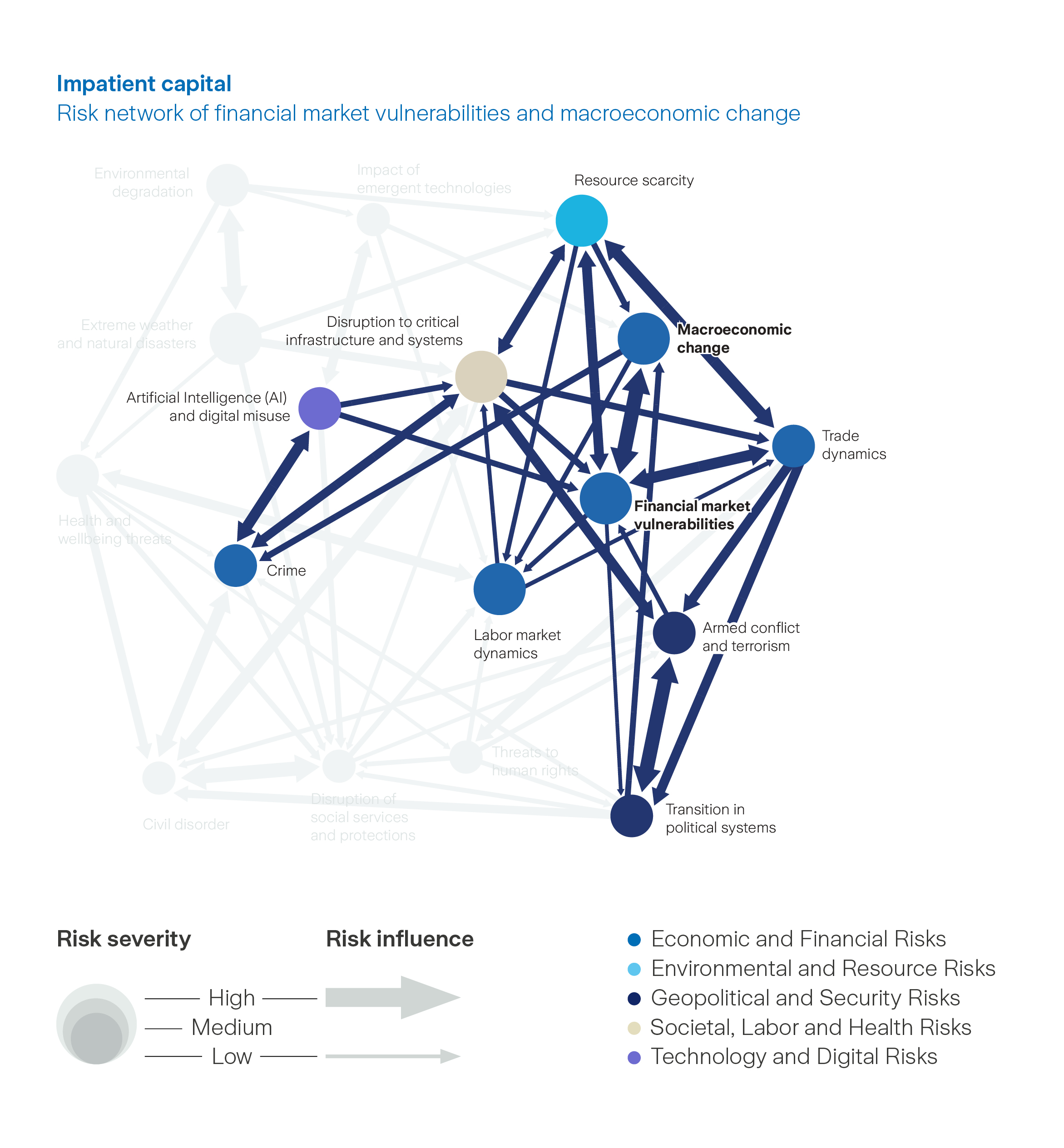
Impatient capital: Financing structures amplify delivery risk
Financing models are imposing tighter performance thresholds, thinner buffers for error and stricter insurability requirements. Delays that were once manageable translate more quickly into financial stress.
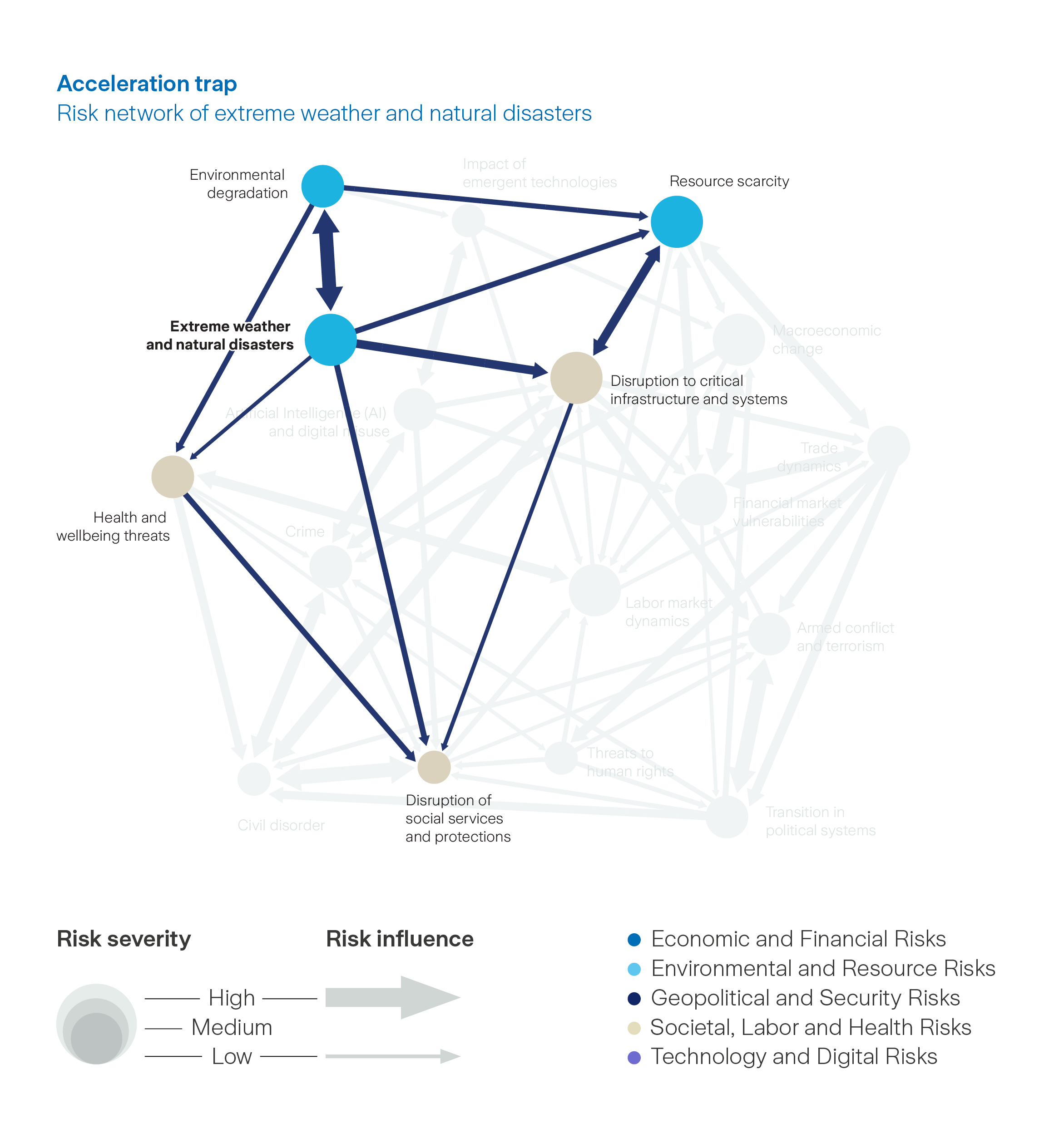
Acceleration trap:
Hard-wiring fragility into delivery modelsSpeed is built into how project are delivered. Commissioning overlaps construction. Weather buffers erode. Interfaces lock in early. But speed without shock absorption leaves little buffer – turning disruption into failure more quickly.
While these pressures reduce flexibility, they also make the sources of resilience clearer. Advantage is shifting to organizations that actively govern construction complexity and:
- Treat infrastructure as a key risk
- Plan for successful interfaces
- Design for durability
- Identify portfolio-level risk
- Shift insurance from a lagging to leading indicator.