In defense of your mid-life (crisis) marathon
TravelArticleOctober 13, 2026
Whether you're chasing a personal best, a bucket-list adventure or simply an excuse to travel, here's where to make 42.2 kilometers worth the effort – and what to watch out for along the way.
For some, today’s version of the mid-life crisis is registering for a marathon followed by six months of training and debating carbohydrate intake.
I can understand the appeal. I’ve been there. The modern marathon has surprisingly little to do with running itself and everything to do with having a goal, a challenge – and, increasingly, an excuse to travel somewhere new.
We turned to the World Economic Forum’s Travel & Tourism Development Index (TTDI 2026), produced in collaboration with Zurich Insurance Group, to separate the genuinely great marathon trips from the glorified suffering – and to help make the case to your family and friends.
1. Best marathon for first-timers: Where you just want to survive
For a first marathon, convenience suddenly becomes very important. Easy transport. Reliable infrastructure. Strong healthcare systems. Clear race logistics. Flat routes. Plenty of places to find coffee at 6 a.m.
Top choice: Tokyo. Japan ranks at or near the top for train services, public transport, airport connectivity and healthcare capacity, making Tokyo a strong fit for first-timers. The marathon may still be hard, but getting there, getting around and finding support should feel relatively straightforward. The only catch? Getting a place on the start line can sometimes be harder than the training itself.
Wildcard: Lisbon. Portugal performs strongly for healthcare, hotel availability and confidence in local police, while Lisbon offers one of Europe’s most scenic marathon settings. Beautiful? Absolutely. Flat? Well, it is, remember, known as a cidade das sete colinas, the city of seven hills.
2. Best marathon-cation: Where the race is not the holiday, it’s the excuse for one
For some travelers, the medal is the souvenir. A marathon in a new city offers something traditional sightseeing often cannot: the opportunity to experience a place from the middle of the action. One day you’re collecting a race bib, the next you’re discovering neighborhoods you might never otherwise have visited.
Top choice: Rome. Italy scores strongly for the number of World Heritage sites and living cultural traditions. Rome combines all of that with one very important marathon advantage: carbohydrate loading feels less like preparation and more like a cultural obligation. One small warning, especially for overpronators: historic cities sometimes come with historic cobblestones.
Wildcard: Mexico City. Mexico performs strongly for cultural heritage and natural assets. The marathon may be the reason you booked the flight, but the food, museums, neighborhoods and cultural experiences are likely to dominate the conversation afterward. The one thing runners should not ignore is altitude. At more than 2,000 meters above sea level, Mexico City has a habit of making even experienced runners feel less fit than they remembered.
3. Best marathon for supporters: Where the race is as exhilarating for spectators
Signing up for a marathon is often a solo decision. Traveling for one rarely is. Partners, friends and families frequently end up joining the trip, which means the best marathon destinations need to work for more than the runner.
Top choice: London. The UK ranks highly for its cultural tourism assets. In practical terms, that means supporters can spend a long weekend filling their time with museums, theater, restaurants, shopping and sightseeing without ever running out of things to do. London’s transportation network also makes it relatively easy to cheer runners on from multiple points around the route.
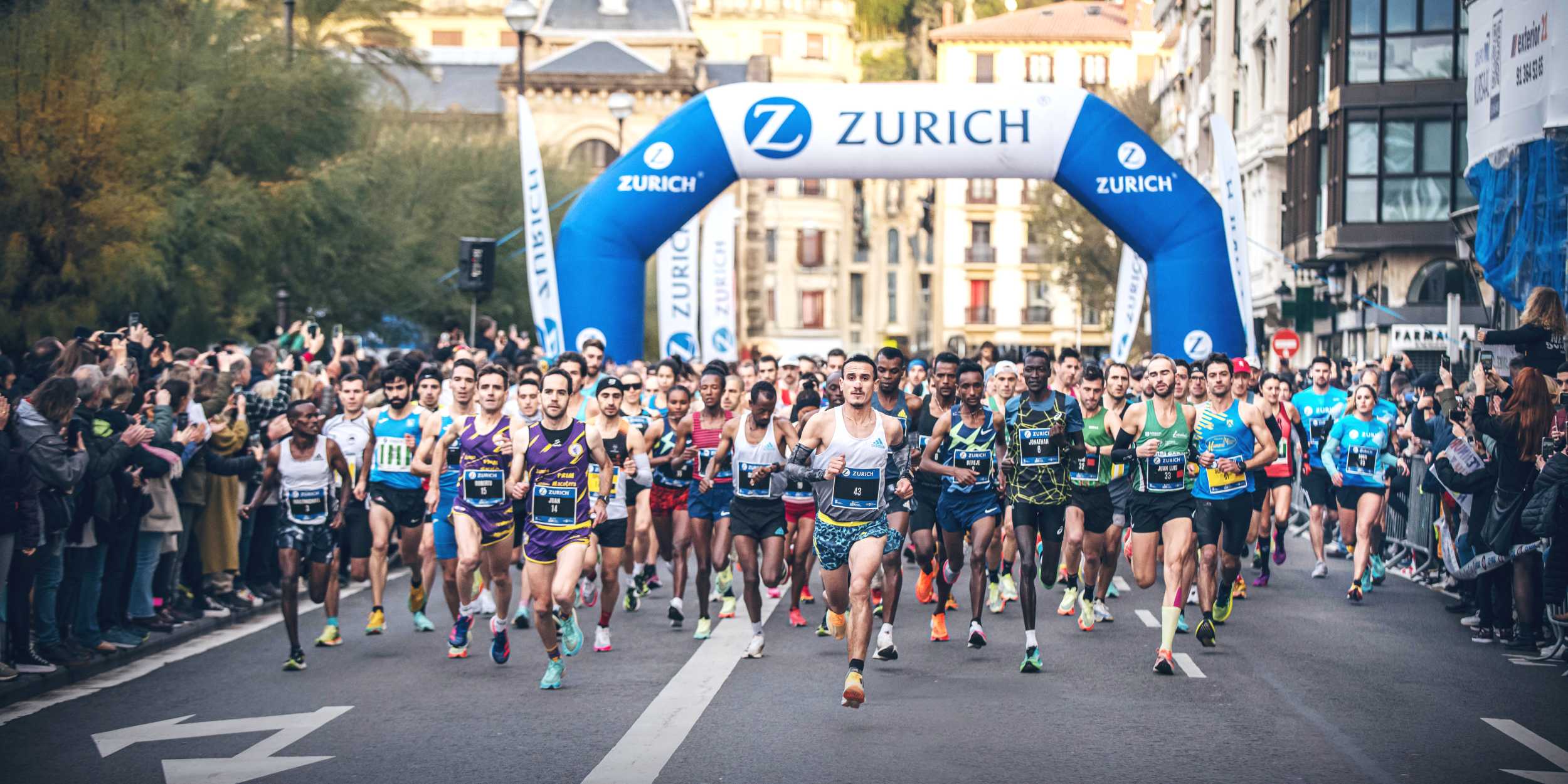
Wildcard: Valencia. Spain performs strongly for its rich cultural, heritage and natural assets. Valencia has become one of Europe’s favorite marathon destinations – it’s sponsored by Zurich too. It combines a highly regarded race, a famously fast course, beaches, food, architecture and a city that rewards an extra few days of exploration.
4. Best off-the-beaten track: Where the destination is the challenge
Some runners are increasingly looking for more unusual finish lines: races through deserts, national parks, wine regions or landscapes that rarely appear on the traditional marathon circuit. The trade-off is that planning suddenly matters a little more.
Top choice: Australia. Australia ranks at the top for ecoregion diversity, protected natural areas and World Heritage natural sites, while also showing one of the strongest improvements in geographically dispersed tourism.
The beauty of Australia is that there isn’t one obvious marathon experience. One runner might head into the Red Centre for the Australian Outback Marathon, while another chooses a wildlife-rich route such as the Kangaroo Island Marathon. Either way, the destination becomes part of the achievement. A finish line surrounded by red earth, kangaroos or dramatic coastal scenery tends to stay with you longer than another city skyline.
Wildcard: Patagonia. Chile performs strongly across several protected-area and nature indicators, while the Patagonian International Marathon takes runners through one of the world’s most dramatic landscapes in and around Torres del Paine National Park. This one is not easy – but then neither is flying to the end of the world to run a marathon.
5. Best marathon for recovery: Where the marathon doesn’t end at the finish line
Not everyone wants their reward to be an airport departure lounge. For many participants, the ideal post-race day now involves a massage, a scenic walk and a large meal rather than immediately heading back to the airport.
Top choice: Vienna. Vienna is one of those rare marathon cities where nobody seems in a hurry to leave afterward, but the real attraction comes after the finish line. Austria offers lakes, mountains, spa hotels and a slightly more civilized recovery program than collapsing into an airport lounge.
Wildcard: Reykjavik. Iceland is the colder, quirkier recovery pick. Reykjavik offers one of the most distinctive recovery experiences on the list. The marathon may be over, but the recovery can continue in geothermal pools, dramatic landscapes and long days spent outdoors. When your recovery plan includes a hot spring, it becomes a little easier to justify the grueling race.
More than a race
A marathon asks a lot of you. Months of training. Early mornings. A willingness to be uncomfortable for longer than seems entirely reasonable. By the time race day arrives, you've invested far more than the entry fee.
That's also what makes marathon travel so rewarding. But when a trip revolves around months of preparation and one unforgettable morning, having access to travel assistance if flights are disrupted, plans change or something unexpected happens, can help you focus on race day itself.
Your legs may disagree afterwards. But you'll probably start looking for the next one before you've even unpacked.
We analyzed the latest World Economic Forum Travel & Tourism Development Index (TTDI) and selected destinations that performed strongly against the factors most relevant to each category, including transportation, healthcare, tourism infrastructure, cultural appeal, natural attractions and environmental sustainability. We then sense-checked the results against established marathons and the overall visitor experience each destination offers.