The world’s richest cultural destinations? Here are the top 10
TravelArticleSeptember 25, 2026
From UNESCO World Heritage sites and living traditions to world-famous museums, festivals, cuisine and entertainment, these are the countries with the strongest cultural resources for tourism, according to the World Economic Forum.
Culture can be surprisingly difficult to define. Is it a masterpiece hanging in the Louvre? A centuries-old festival? A bowl of ramen in Tokyo? A flamenco performance in Seville? Or a city where music, food, architecture and history seem to appear around every corner?
The world’s richest cultural destinations offer all of these things and more. They combine iconic heritage sites with living traditions, world-famous museums, cuisine, entertainment and cultural experiences that continue to evolve rather than simply preserve the past.
For travelers, that means something increasingly rare: variety. One day might be spent exploring ancient temples or archaeological sites; the next could be devoted to local food, music, festivals or contemporary culture.
To identify the world’s leading cultural destinations, we turned to the cultural resources pillar of the World Economic Forum’s Travel & Tourism Development Index 2026 (TTDI 2026), produced in collaboration with Zurich Insurance Group. The pillar assesses UNESCO World Heritage cultural sites, living cultural traditions, the infrastructure needed to host major sporting and entertainment events, and the number of UNESCO Creative Cities – those recognized by UNESCO for strengths in areas such as gastronomy, music, film, literature, architecture and design.
Top 10 countries for cultural assets (TTDI 2026)
- Japan
- China
- Germany
- Italy
- France
- Spain
- United Kingdom
- Mexico
- India
- South Korea
Source: World Economic Forum Travel & Tourism Development Index 2026
In other words, these aren’t simply countries with a famous museum or landmark. They are destinations with exceptional depth, diversity and concentration of cultural assets.
Here are the world’s top 10.
1. Japan
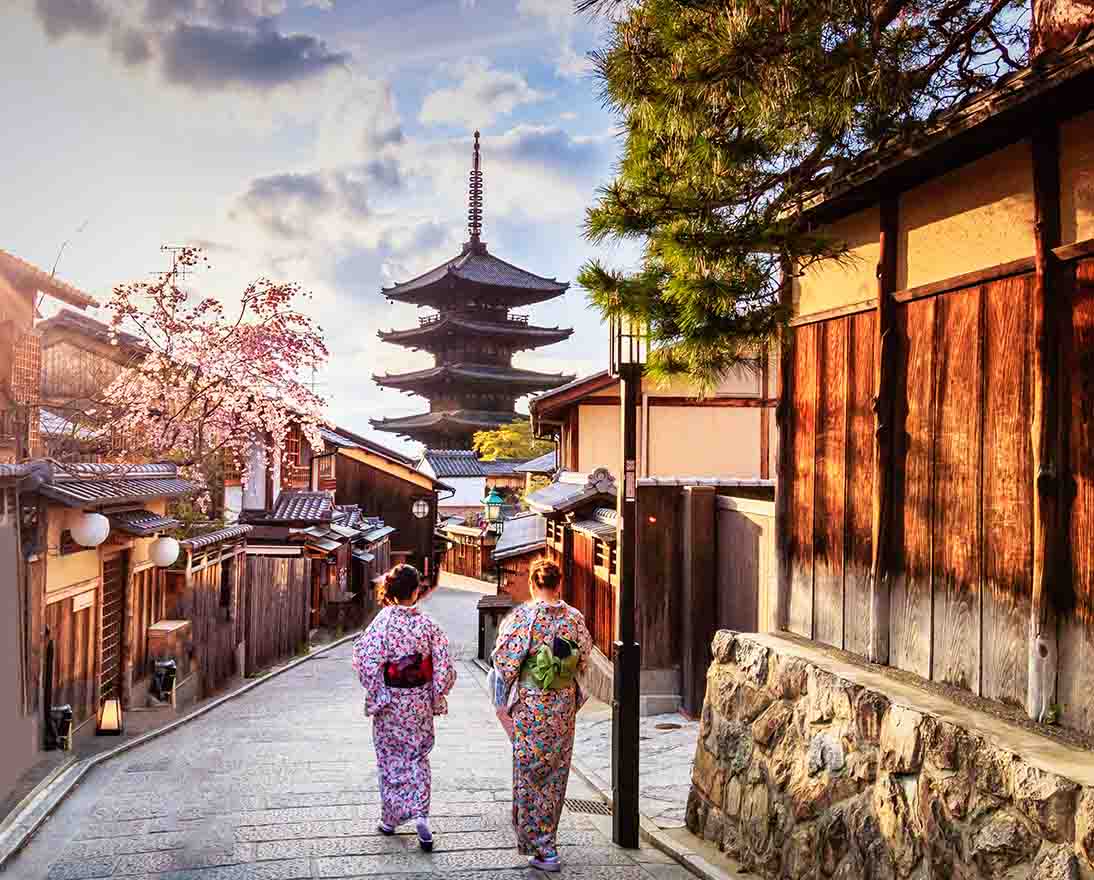
From Kyoto’s temples and shrines to Tokyo’s sushi bars and karaoke districts, Japan blends centuries-old traditions with modern culture. The country is home to numerous UNESCO cultural sites and renowned living traditions, from tea ceremonies and craftsmanship to seasonal festivals and sumo wrestling. Add world-famous cuisine, manga, anime and contemporary design, and it’s easy to see why Japan tops this ranking.
2. China
China’s cultural richness reflects thousands of years of history. Visitors can walk along the Great Wall, marvel at Xi’an’s Terracotta Army or explore imperial palaces and ancient cities. China is also home to more UNESCO Creative Cities and more UNESCO-recognized living cultural traditions than any other nation, spanning everything from gastronomy and crafts to design and traditional arts.
3. Germany
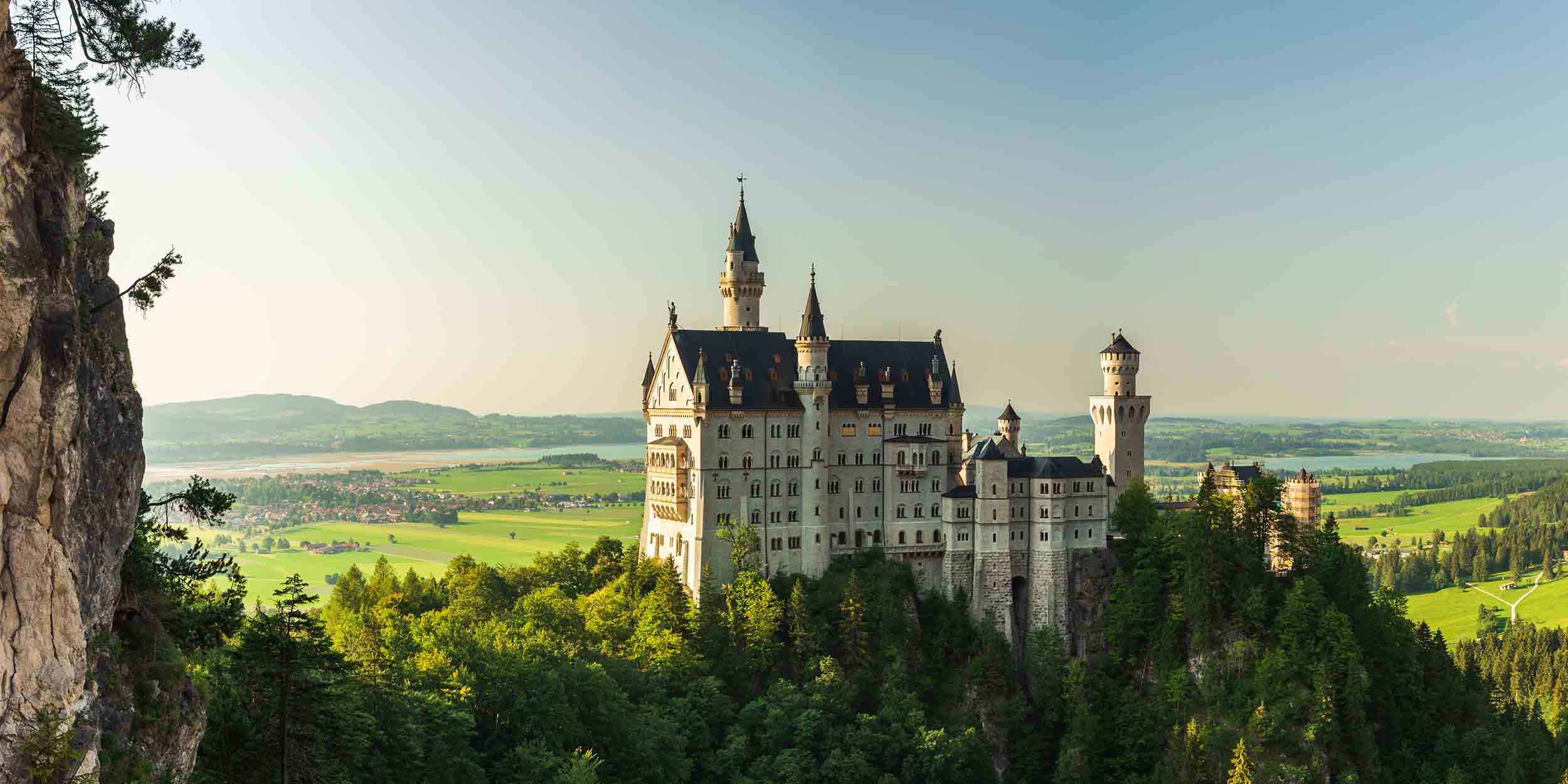
Germany combines fairy-tale castles, historic cities and cultural landmarks with a thriving arts and events scene. From Munich’s Oktoberfest and world-famous Christmas markets to classical music traditions associated with composers such as Bach and Beethoven, the country offers cultural experiences that span both past and present.
4. Italy
Italy’s influence on art, architecture and culture is difficult to overstate. Home to 62 UNESCO World Heritage cultural sites, more than any other country, Italy offers an extraordinary concentration of treasures. Whether it’s Rome’s ancient ruins, Florence’s Renaissance masterpieces, Venice’s canals or the culinary traditions that gave the world pizza and pasta, Italy has few peers when it comes to cultural heritage.
5. France
Few countries are as closely associated with culture as France. From the Eiffel Tower and the Louvre, the world’s most-visited art museum, to the vineyards of Bordeaux and Burgundy, France blends iconic landmarks with a rich cultural heritage. Add grand châteaux, world-renowned cuisine and centuries of artistic achievement, and it’s easy to see why France remains the world’s most-visited destination.
6. Spain
Spain blends spectacular historic cities with some of Europe’s most vibrant living traditions. Visitors can admire Gaudí’s architecture in Barcelona, wander the medieval streets of Toledo and Seville, explore Madrid’s Prado Museum or experience traditions such as flamenco and major regional festivals. Spain is also the birthplace of artistic giants including Picasso, Dalí and Miró, whose influence can still be felt across the country today.
7. United Kingdom
The UK’s cultural strengths range from historic landmarks and museums to literature, theatre, music and sport. Visitors can take in a West End show in London, tour Scotland’s whisky distilleries or soak in the atmosphere of a Premier League football match. From Shakespeare and The Beatles to royal palaces, castles and cathedrals, the UK offers a cultural mix that spans centuries.
8. Mexico
Mexico’s cultural identity is one of the most distinctive in the world. Visitors can explore the ancient Maya city of Chichén Itzá and the vast pyramids of Teotihuacán, enjoy everything from street food to rich regional cuisines, or experience Day of the Dead celebrations, when families honor deceased loved ones with colorful altars, music and festivities. Combined with colonial cities and rich artistic traditions, Mexico offers an unforgettable cultural journey.
9. India
India’s cultural assets span thousands of years of history, countless languages and a remarkable diversity of traditions. Home to the Taj Mahal, one of the world’s most recognizable landmarks, India also offers ancient temples, ornate palaces, bustling markets and some of the world’s largest religious festivals. From Rajasthan's forts to the vibrant colors of Holi, culture is woven into everyday life across the country.
10. South Korea
South Korea combines rich heritage with one of the world’s most influential contemporary cultural scenes. Visitors can explore Seoul’s royal palaces before experiencing the global phenomenon of K-pop, Korean cinema and television. Add Korean barbecue, street-food markets and flavors loved around the world, and it’s easy to see why the country’s cultural appeal continues to grow.
More than history
One of the more interesting findings from the TTDI is that cultural assets are often a key driver of tourism competitiveness. Countries that perform strongly on this pillar tend to offer visitors a broad mix of experiences, from heritage attractions and living traditions to museums, festivals, entertainment and major events.
In other words, cultural tourism is about more than preserving the past. The most successful destinations are often those that celebrate their heritage while continuing to create new reasons for people to visit.