Why the workation has a new postcode
TravelArticleJuly 15, 2026
What travelers should know before they pack for the coolest new remote-work destinations.
Not so long ago, the dream workation involved escaping somewhere warmer: a sun lounger in Lisbon, or a Bali sunset behind your Zoom call.
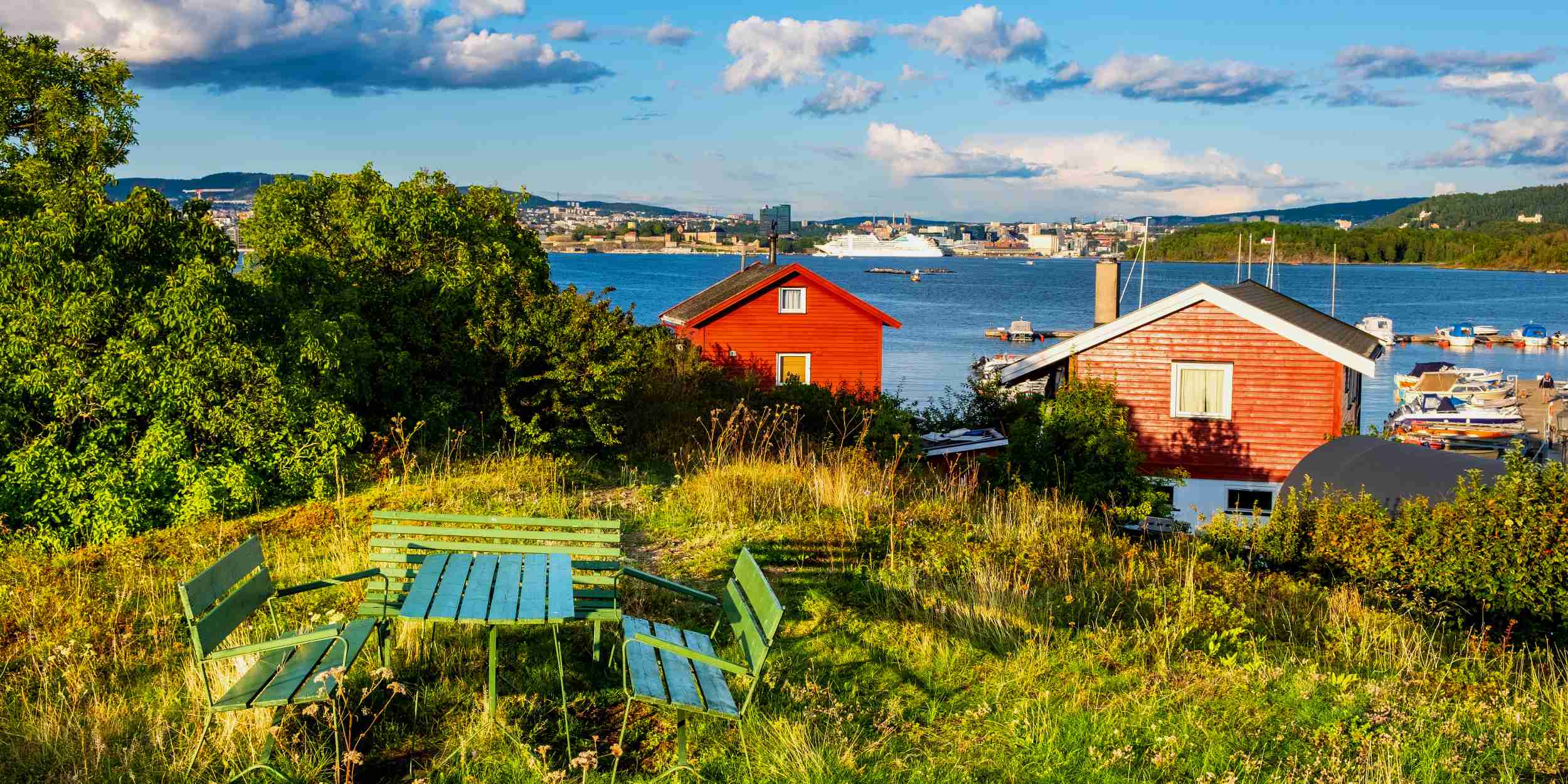
Today, as summer temperatures regularly climb above 35°C, travelers are making a different calculation. The workation isn’t disappearing. It’s heading north. Fjords instead of beaches. Highlands instead of Mallorca. Alpine lakes instead of the Aegean.
From sunshine to shade
Zurich’s Business Travel Outlook 2026 found that four in five respondents (81 percent) plan to combine business and leisure – or ‘bleisure’ - travel. At the same time, more than three-quarters of Europeans say climate-related factors influence their travel behavior, with one in four travelers actively seeking out cooler destinations (searches for “coolcations” rose 74 percent in H1 2026).
The appeal is obvious: If your apartment turns into a greenhouse by noon and your office air conditioning is fighting a losing battle, the idea of taking your laptop somewhere cooler starts to feel less like a holiday and more like common sense.
Northern Europe has become one of the most appealing destinations, with reliable Wi-Fi, reasonably convenient time zones, and temperatures that still allow for productive afternoons. Picture a morning of focused work, an early finish, then a swim in a mountain lake or sauna before dinner.
Add in the influence of Nordic noir, Scandi design, wellness travel and a growing appetite for slower, more intentional trips, and cooler destinations start to look less like a compromise and more like the main attraction.
Three coolcations worth considering
- Iceland and Scandinavia. For people who like the idea of ending a working day with a sauna, swim in a fjord or a hike under the midnight sun.
- Scotland and Ireland. For travelers who want dramatic coastlines, castles, whisky distilleries and weather that changes by the hour.
- Switzerland and Austria. For mountain lakes, scenic train journeys and hiking trails just outside the office door.
A few things worth checking
Cooler doesn’t mean risk-free. Longer stays, a laptop that travels with you, and weekends spent kayaking, hiking or exploring can all affect what your insurance may, or may not, cover. Most of these issues are easy to clarify before you book. Almost none are easy to fix once you’re already there.
How long are you actually away? Not all travel insurance policies cover long stays in the same way. Many annual multi-trip plans limit the length of each trip, whereas single-trip policies can often cover extended travel. Before settling into that Norwegian cabin, it's worth checking how long you're covered for.
Where does your laptop fit? Work equipment often falls between employer cover and personal insurance. It’s worth checking who is responsible if something happens while you’re away.
Are you working or on holiday? On a coolcation workation, the answer is usually both. Some insurers care about that distinction when equipment, liability or business-related activities are involved.
What are you planning to do over the weekend? Glacier hikes, sea kayaking, ski touring, mountain biking and similar activities may be treated differently under some policies, even if they are standard tourist activities in your destination of choice.
Where exactly are you going? Norway, Iceland, the UK and Switzerland can sit in different tiers depending on the policy. A quick check before departure can help avoid surprises later.
A little preparation can go a long way. After all, the goal is to spend your summer looking at fjords, mountain lakes or dramatic coastlines – not debating policy wording from a cabin.