How to protect your business from wildfire
Climate resilienceArticleJanuary 9, 2026
Wildfires are fast-moving, destructive and increasingly common. Here’s how to prepare, respond and recover to protect your people and property.
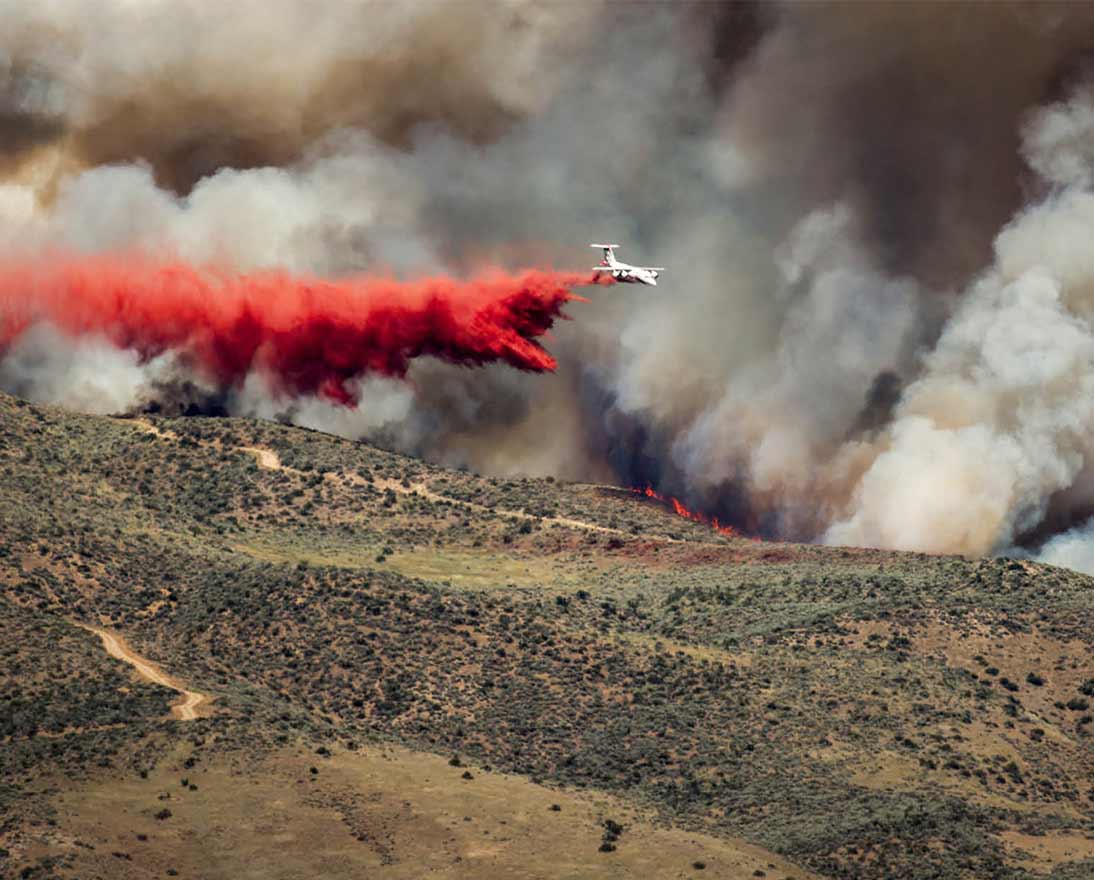
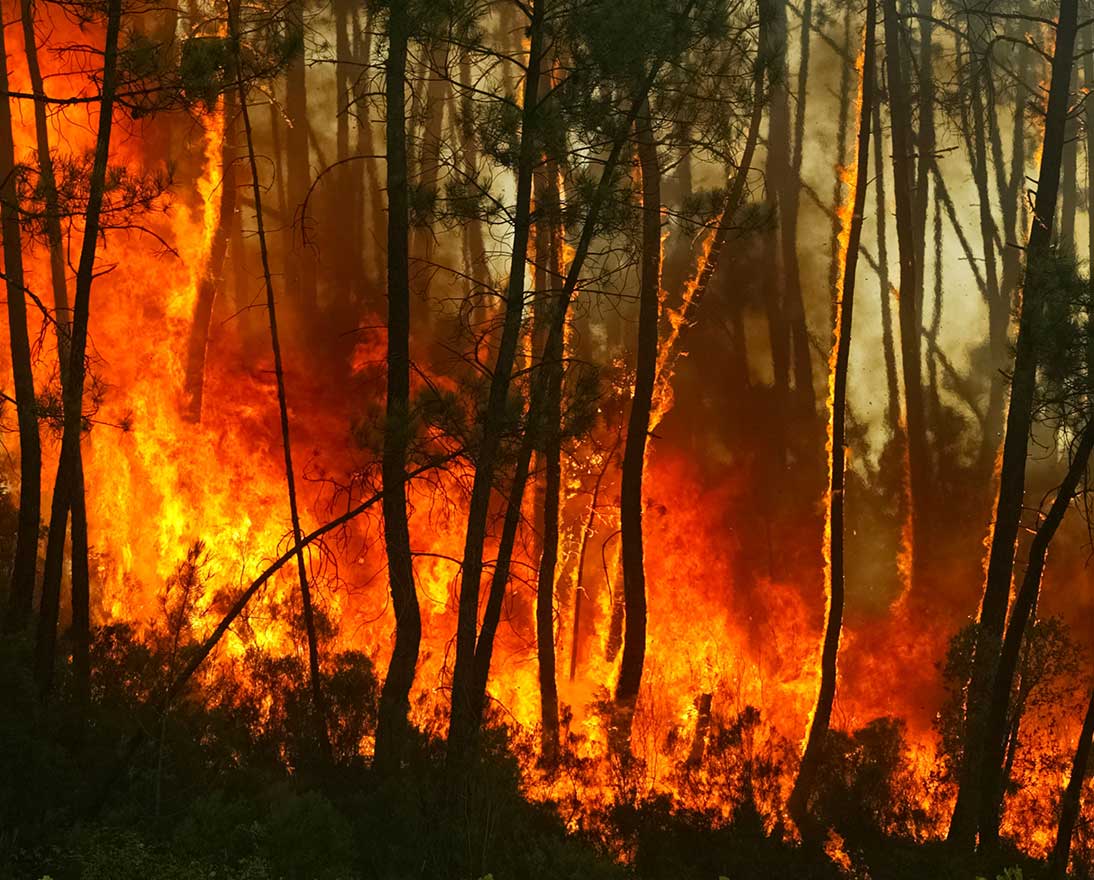
Wildfires can spread with alarming speed, driven by strong winds and airborne embers that travel many kilometers. They can ignite dry vegetation, yard storage and even buildings far from the original blaze.
Recent seasons have shown how devastating these events can be. Europe endured its worst wildfires in history in 2025, while Canada experienced its second-largest wildfire season on record. These disasters are a stark reminder: businesses must take wildfires seriously.
The best time to act is before a fire starts, but knowing how to respond and recover is just as critical. Here are three sets of nine steps to help you prepare, respond and recover.
How to prepare your business for wildfires
Preparation is the only way to reduce a wildfire’s destructive force. Ideal risk management happens well before an event.
- Maintain a current wildfire plan
Develop a wildfire plan as part of your emergency response program. Appoint a wildfire team, assign duties and define triggers for action. Train key employees and support staff. - Monitor your wildfire risk
Stay alert year-round and increase vigilance during wildfire season. Have backup monitoring options such as portable radios and satellite phones. - Protect building exteriors
Use non-combustible or ember-resistant materials for roofs, walls and glazing. Regularly clear foliage and debris from gutters and roof-mounted equipment. - Protect building interiors
Prevent smoke and soot entering by using tight-fitting, non-combustible doors, shutters or dampers. Obtain temporary covers for openings. Ensure heating, ventilation and air conditioning (HVAC) systems can shut down automatically or manually when smoke is detected. - Support the fire service and protect site entrances
Schedule regular inspections with the fire department. Maintain clear access to hydrants, water tanks and site entrances for emergency vehicles. - Create defensible open space
Provide at least 8 meters (25 ft) between buildings and long grass or scrub, and 60 meters (200 ft) from forested areas. - Manage landscape materials and debris
Use non-combustible landscaping materials such as stone, brick or concrete pavers. Do not allow combustible debris to accumulate. - Control yard storage
Limit or eliminate yard storage. Keep combustible items at least 30 meters (100 ft) from buildings. - Develop an evacuation plan
Designate a remote off-site gathering location and ensure all employees, contractors and visitors know the procedure.
How your business can respond to wildfires
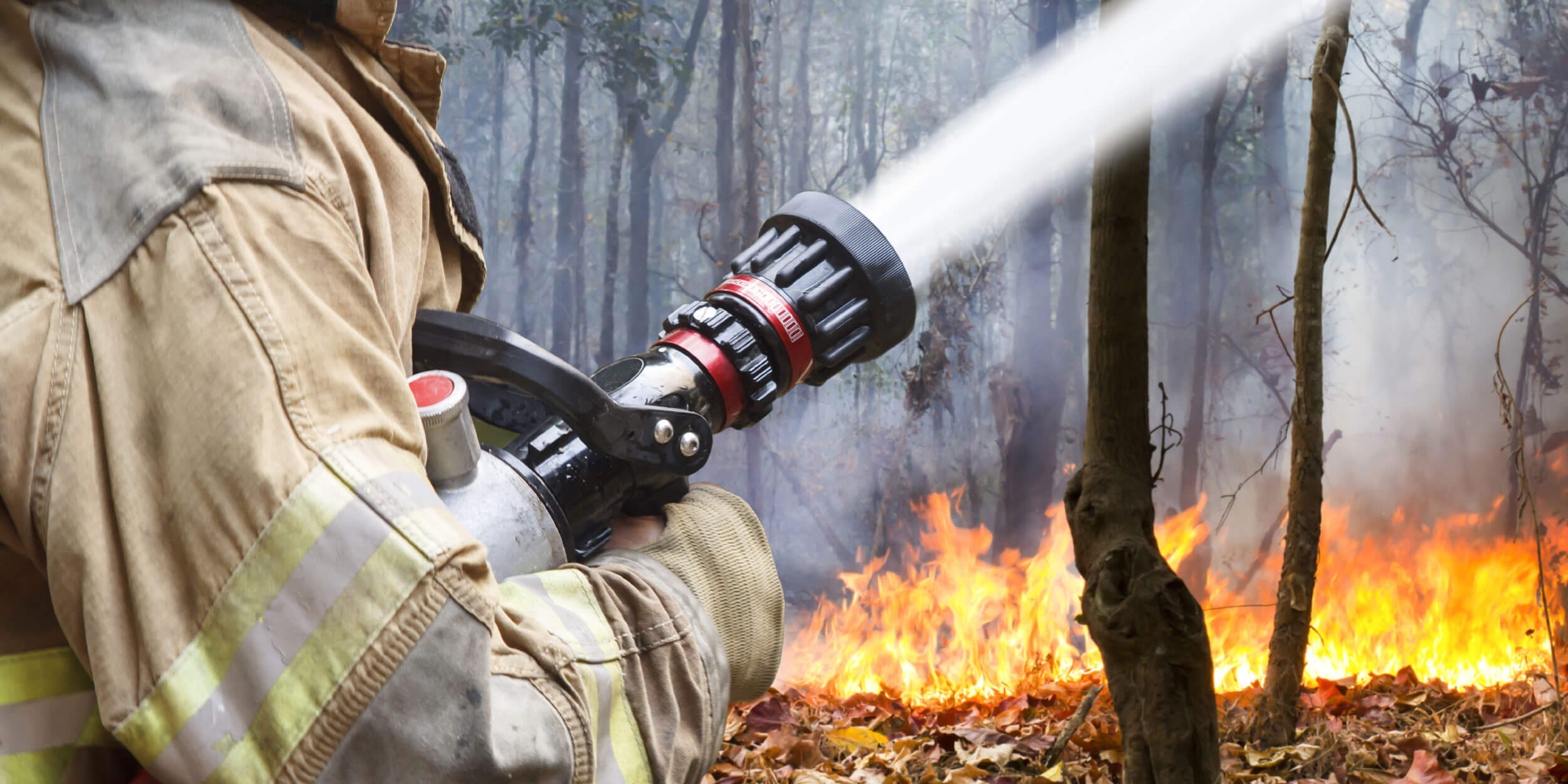
If a wildfire is approaching, act immediately to protect life and property.
- Assemble your wildfire team
Confirm all members are available to complete emergency duties and evacuation procedures. - Monitor the latest alerts
Track wildfire intensity and direction via official sources. Check weather updates for wind speed, humidity and temperature. - Instruct employees about emergency procedures.
Communicate evacuation routes and staging areas. Include contractors and visitors. - Initiate safe shut-down procedures
Back up data, relocate critical tools and records off site. Move flammable items and park vehicles at least 30 meters (100 ft) away from buildings. - Clear a defensible space
If time allows, remove combustible debris and yard storage to create open space around buildings. - Support emergency services
Keep entrances clear for emergency vehicles. Confirm hydrants and water sources are operational. - Switch off unnecessary utilities
Turn off fuel and gas supplies, non-essential electrical systems and mechanical operations. Keep water systems for fire protection active. - Close and seal building openings
Shut doors, windows and shutters. Stop HVAC systems and seal air intakes. Use non-combustible shielding where possible for inside and outside materials and storage. - Evacuate
Leave when authorities issue an evacuation notice. No one should remain on site if life is at risk.
How your business can recover from wildfires
Returning safely is as important as rebuilding quickly.
The absence of active flames does not mean an absence of risk. Building integrity may be reduced, fire-protection systems may be impaired and damaged utilities and other systems may present unexpected hazards. These issues must be safely addressed.
- Return to the site safely
Follow local authority guidance. Wear protective gear and bring essentials such as water and flashlights. - Check for signs of fire and other hazards
Inspect for hot ash, smoldering debris and live embers. The ground may contain heat pockets that can burn you or spark another fire. Watch for broken glass, sharp metal and live wires, and leaking fuel or flammable liquids. - Assess risk of floods and mudslides
Assess the terrain around and uphill from your site for potential flash flood or mudslide threats caused by loss of vegetation. Take precautions if hazards are identified. - Survey structural damage
Check for compromised structures and power poles. If damage is found, undertake a structural engineering evaluation and use infrared scanners to check for hot spots in walls and ceilings. Document damage for insurance. - Verify status of protection systems
Inspect water supplies, pumps, sprinklers and alarms. Post fire watch where systems are impaired. - Maintain health and sanitation
Discard food exposed to smoke or heat. Do not use water until declared safe. Follow health advice, including tetanus shots. - Initiate repairs and salvage
Set priorities, notify contractors and begin salvage to prevent further damage. Dispose of waste responsibly. - Evaluate mechanical and electrical systems
Have qualified personnel inspect utilities and equipment before restarting operations. - Pay attention to HVAC systems
Check for smoke damage and replace filters before restoring service.