Understanding the three most common flood types
Climate resilienceArticleDecember 22, 2025
Floods are the world’s most common natural hazard. Understand the three main types of flood to stay protected.
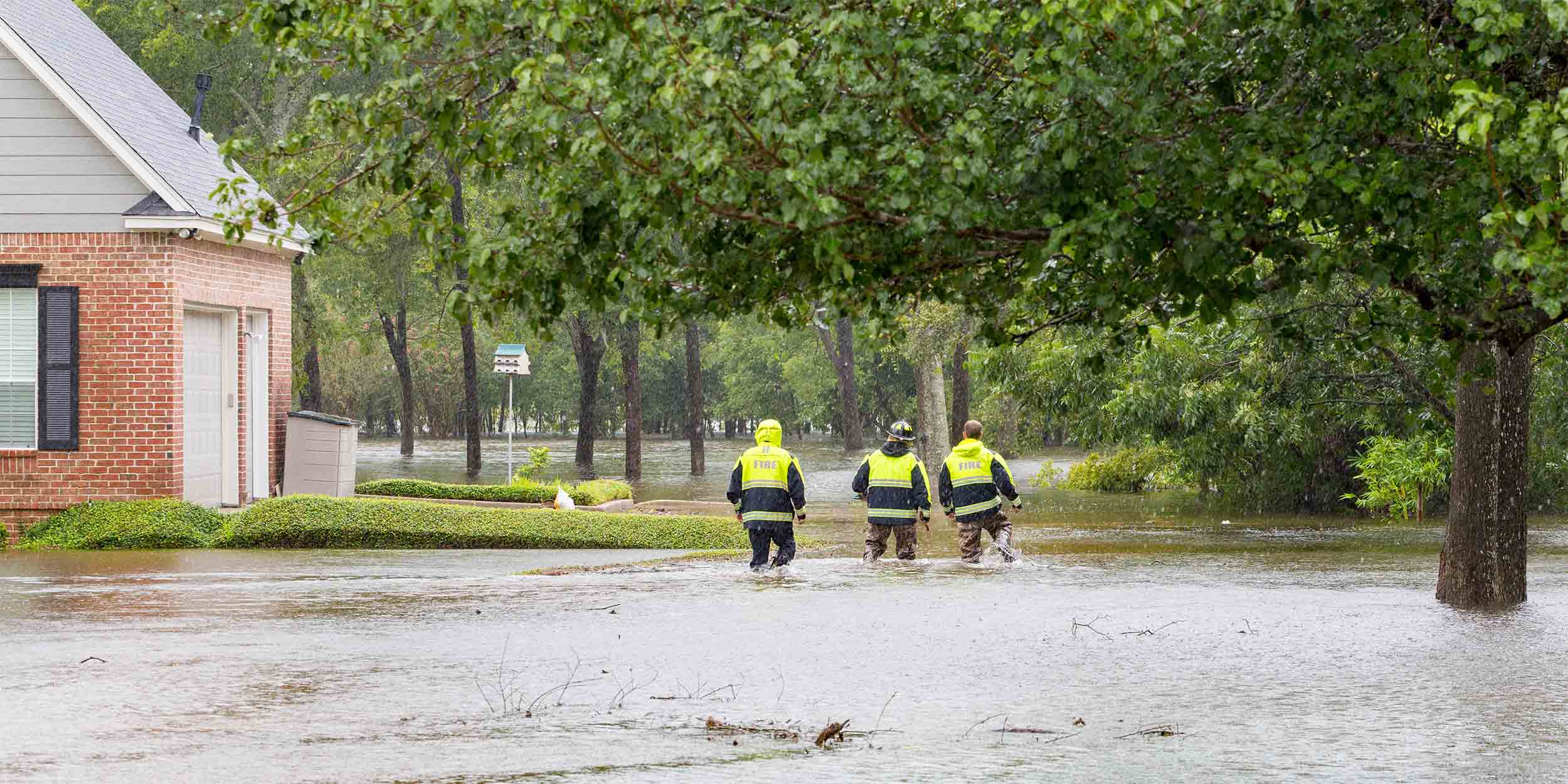
Floods affect more people globally than any other extreme weather event. They can devastate communities, damage property and critical infrastructure, and even cost lives.
Looking ahead, the prevalence of flooding is projected to rise – both coastal and inland – driven by rising sea levels, heavier rainfall and changing storm patterns. For businesses, this means it has never been more important to understand the most common types of floods and how to mitigate their impact.
“Floods can destroy businesses and whole communities, causing billions of dollars of losses,” says Amar Rahman, Global Head of Climate and Sustainability Solutions at Zurich Resilience Solutions, Zurich’s risk management consultancy. “It’s vital that people, businesses and communities prepare for all flooding eventualities, especially as floods can impact areas located far from water sources.”
Here are the three most common types of floods and how to mitigate their impact:
1. Fluvial floods (river floods)
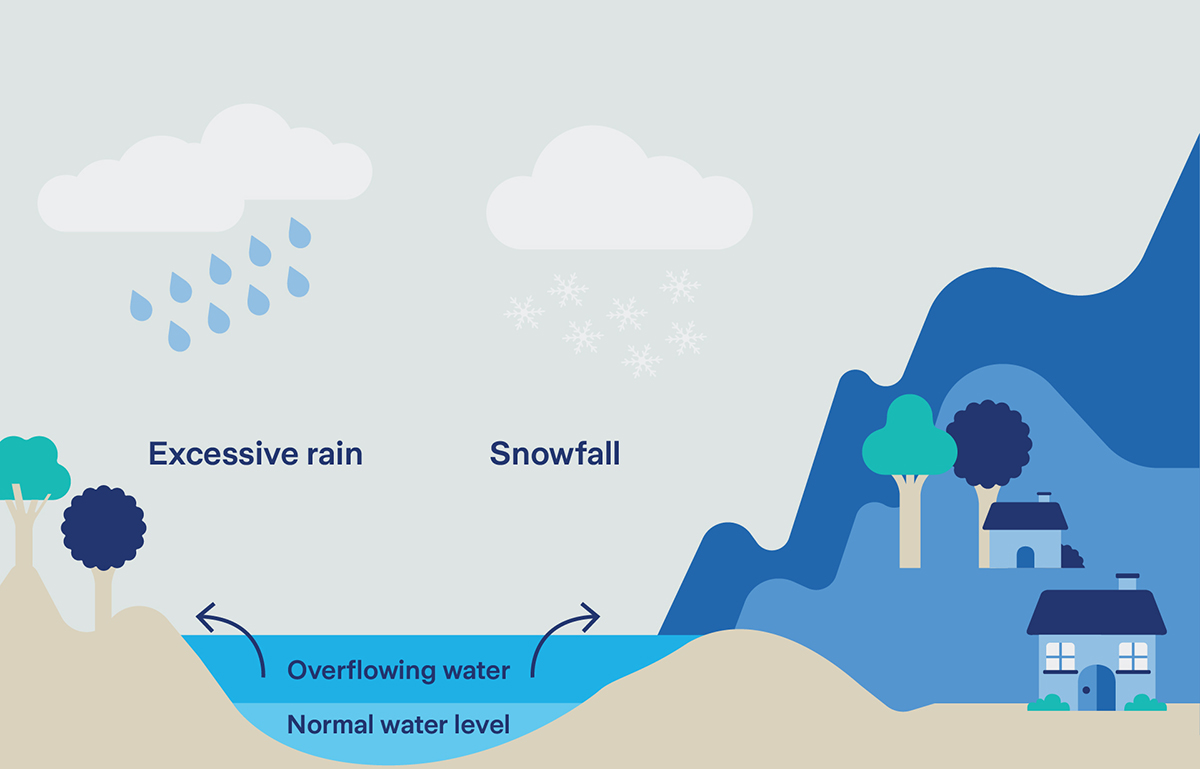
Fluvial floods occur when rivers, lakes or streams overflow onto neighboring land, often due to excessive rain or snowmelt. They can cause widespread damage as overflow affects smaller rivers downstream, potentially causing dams and dikes to fail.
To determine the risk of fluvial flooding, models consider rainfall intensity and duration, current river levels, soil saturation and terrain profile.
In flat areas, water rises slowly and can linger for days. In hilly or mountainous regions, floods occur rapidly and drain quickly, often carrying debris that can cause damage.
2. Pluvial floods (flash floods and surface water)
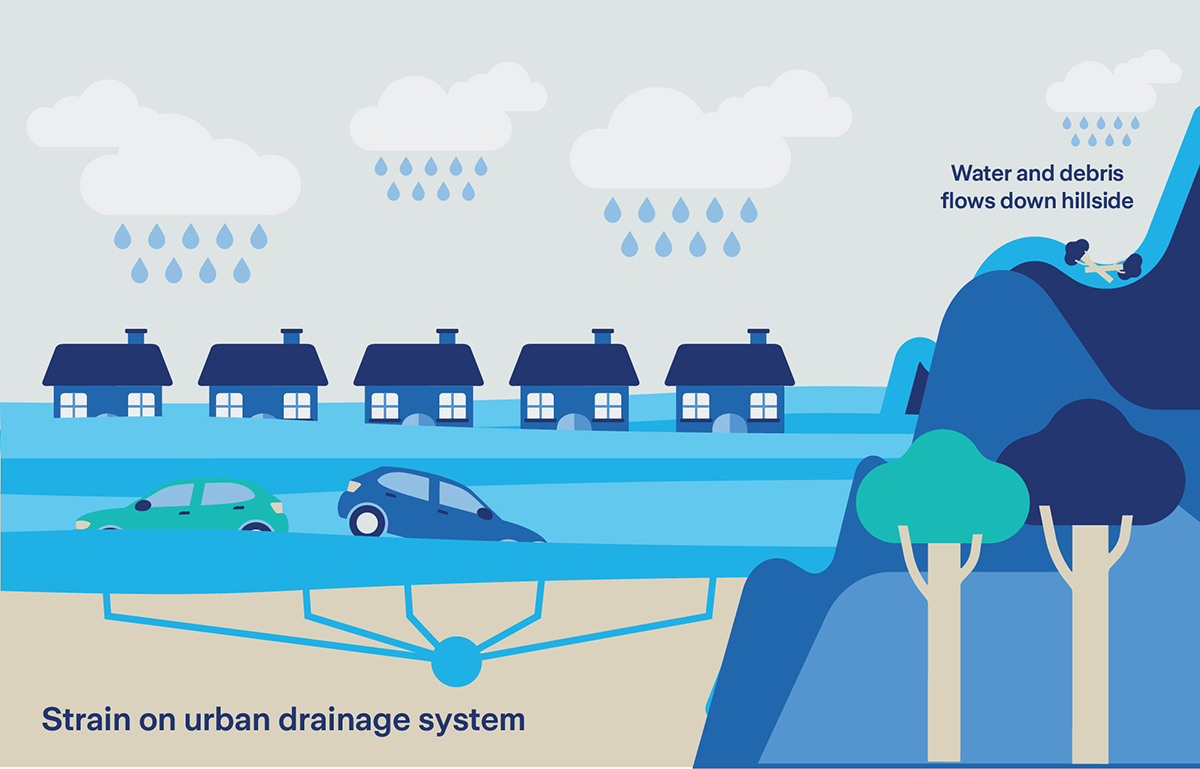
Pluvial floods occur when extreme rainfall causes flooding independent of overflowing rivers or lakes. They can happen in urban or rural areas, even without nearby bodies of water.
There are two common types of pluvial flooding:
- Surface water floods: Urban drainage systems are overwhelmed by rainfall, leading to water pooling in streets and buildings. Usually shallow and gradual, they pose limited risk to life but can cause significant economic damage.
- Flash floods: Sudden, high-velocity torrents triggered by intense rain or dam failure. Extremely dangerous due to speed and debris.
3. Coastal flood (storm surge)
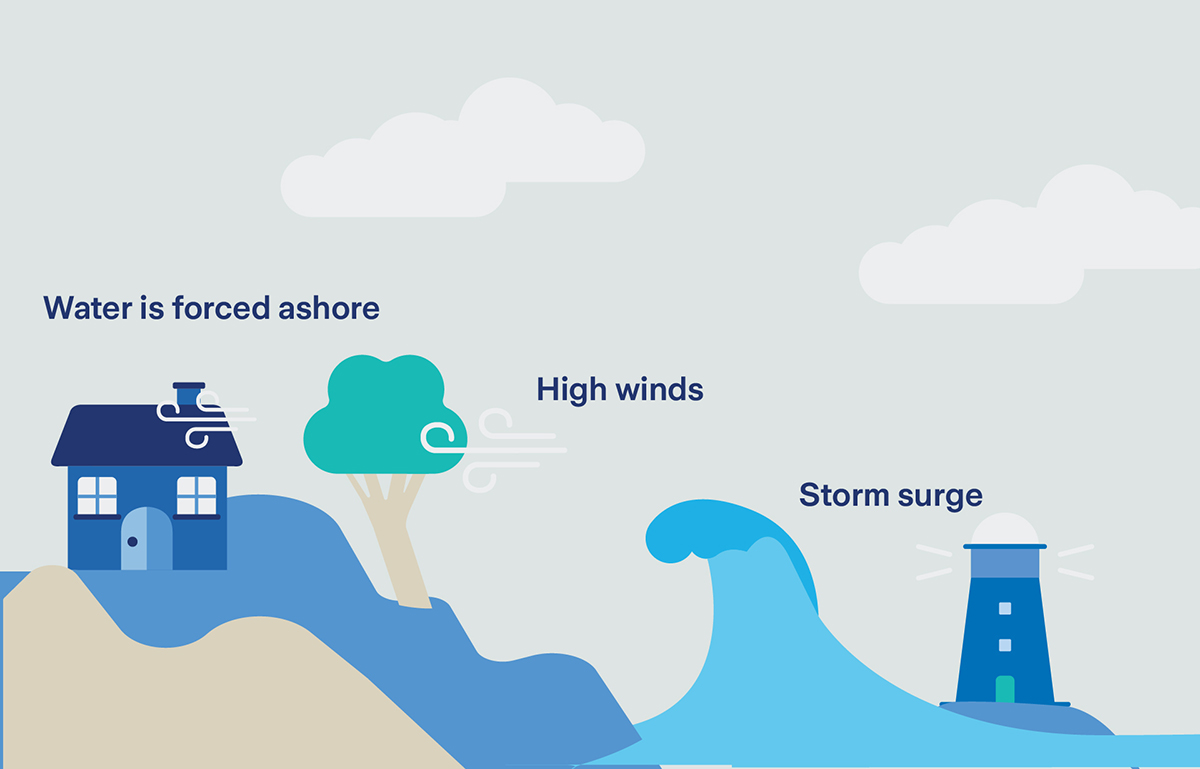
Coastal flooding occurs when seawater inundates land, typically during severe windstorms or tsunamis.
Storm surges occur when strong winds push water onshore. They are often the greatest threat during hurricanes or typhoons. Severity depends on storm strength, tide levels and coastal topography. Flood models use this information, along with historical storm data, to determine the probability and magnitude of potential storm surge.
In future, rising sea levels will increase the frequency and severity of coastal flooding, endangering more cities and communities.
Building resilience to flooding
Understanding fluvial, pluvial and coastal floods is the first step towards effective risk management. With floods becoming more frequent and severe, businesses must act now.
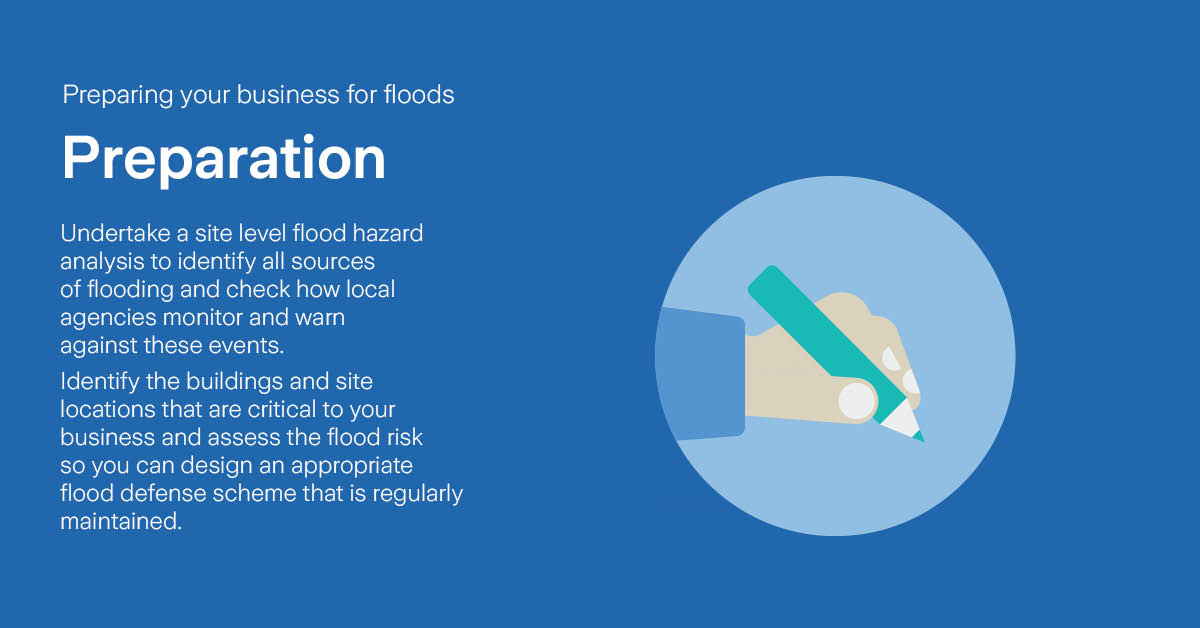
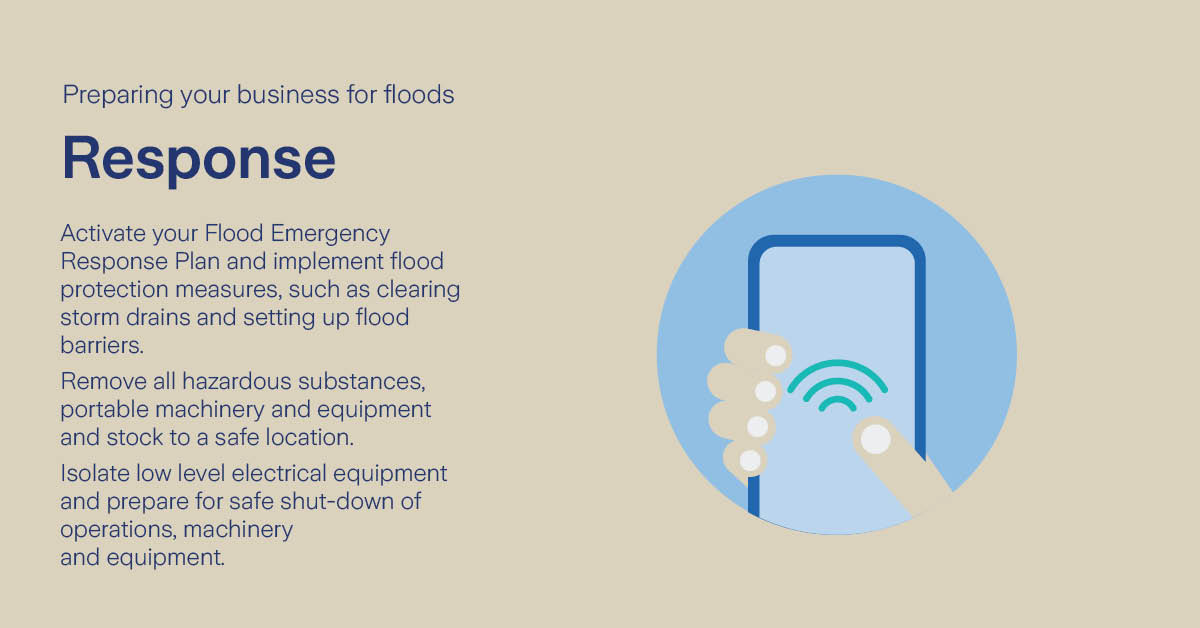
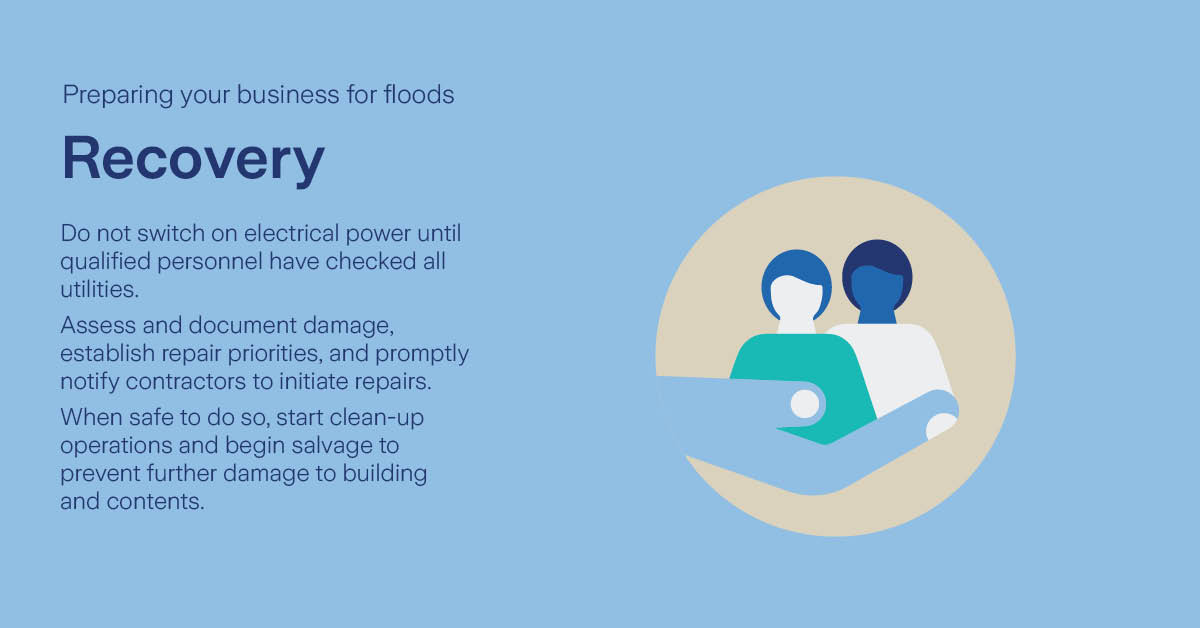
A robust Flood Emergency Response Plan can help safeguard property, protect employees and ensure business continuity. It enables organizations to prepare, respond and recover effectively when floods strike.
Climate Resilience
Our Climate Resilience experts help you identify and manage climate risks, and prepare you for climate reporting.