From sanatorium to innovation hub: the story of Zurich’s Development Center
150 anniversaryArticleSeptember 16, 2025
The company’s state-of-the-art center for learning, development and innovation is celebrating 25 years, but the site has a rich history that dates back to the early 20th century. It even gave the world a healthy, delicious breakfast treat.
“The sweet spot is where duty and delight converge.”
– Thomas Mann, Nobel Laureate
Nestled on a leafy street atop Zuriberg – a short ramble from James Joyce’s grave in Fluntern Cemetery and a long thrown-in from FIFA headquarters – is a pale-yellow Swiss-styled villa. It’s a large villa for sure, but not particularly obtrusive at first blush. That is, until you enter.
First, there’s the beguiling sculpture in the foyer, Antony Gormley’s “Quantum Cloud VI.” Then there are the elevators. While they lead you up three stories – nothing odd about that – they also go down another five levels, and not to the boiler room but instead to a seamless ensemble of three traditional chalets, a second house, ultra-modern glass-and-steel additions, landscaped slopes, and open terraces overlooking Lake Zurich. As counterintuitive as it sounds, you descend to soar – and revel in the splendor.
Clearly, this is an uncommon space. This is the Zurich Development Center – the ZDC to employees who come here to develop and innovate. And this year, it is celebrating its 25th Anniversary.
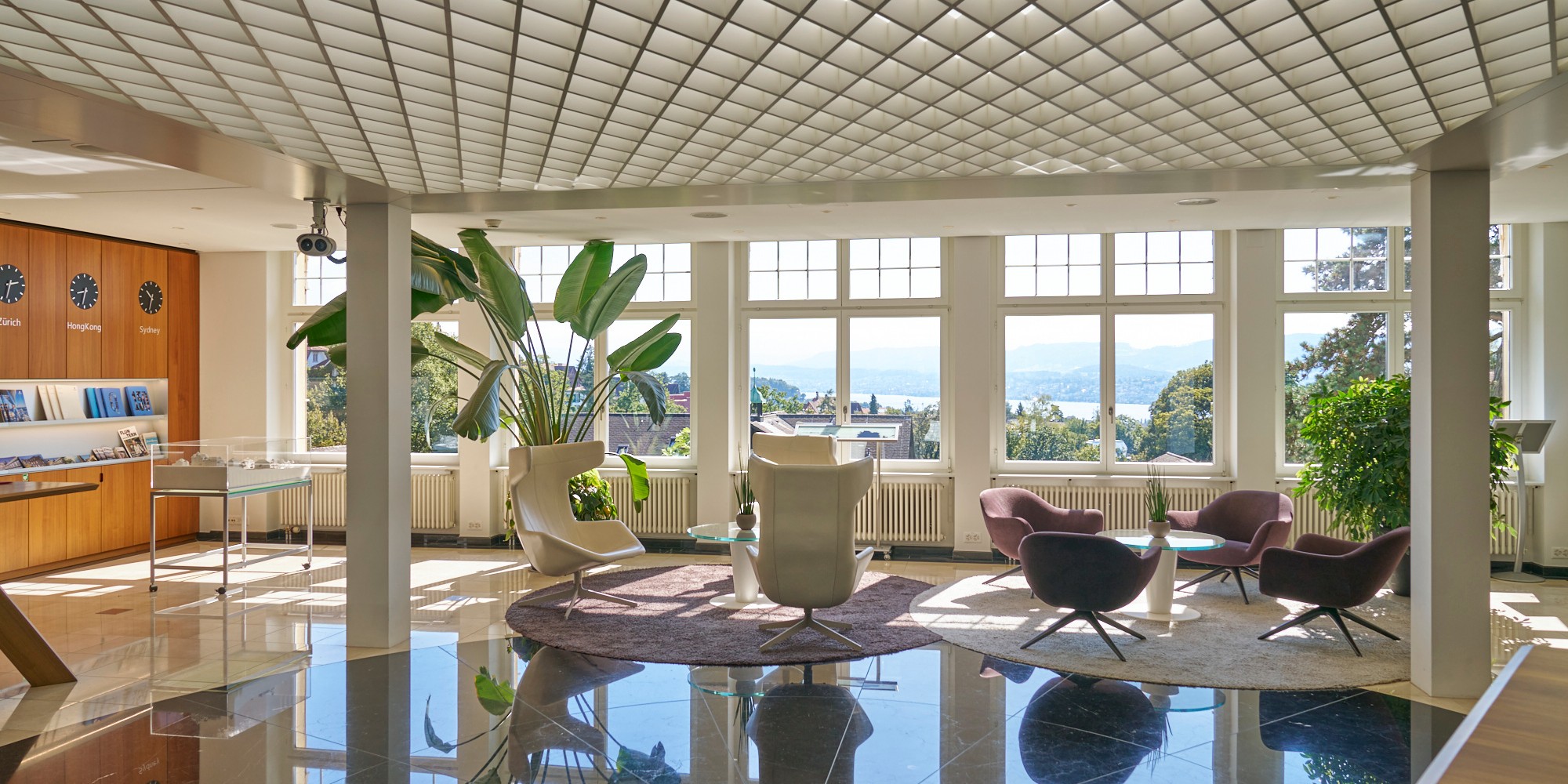
“There’s a special aura up here, it nourishes the mind,” says the head of the ZDC, Régine Bischofberger, from the Winter Garden in the main building, her favorite spot on the campus (and, on this recent sun-splashed day, it’s easy to see why). Bischofberger, a St. Gallen native, studied hotel management and has been with Zurich for 11 years, the past four leading the ZDC. “When you come here,” she continues, “you need to feel that spirit, that environment, to get new ideas, to get creative. We’re not a Zurich office building, we’re something different: a place where people meet and new ideas grow.”
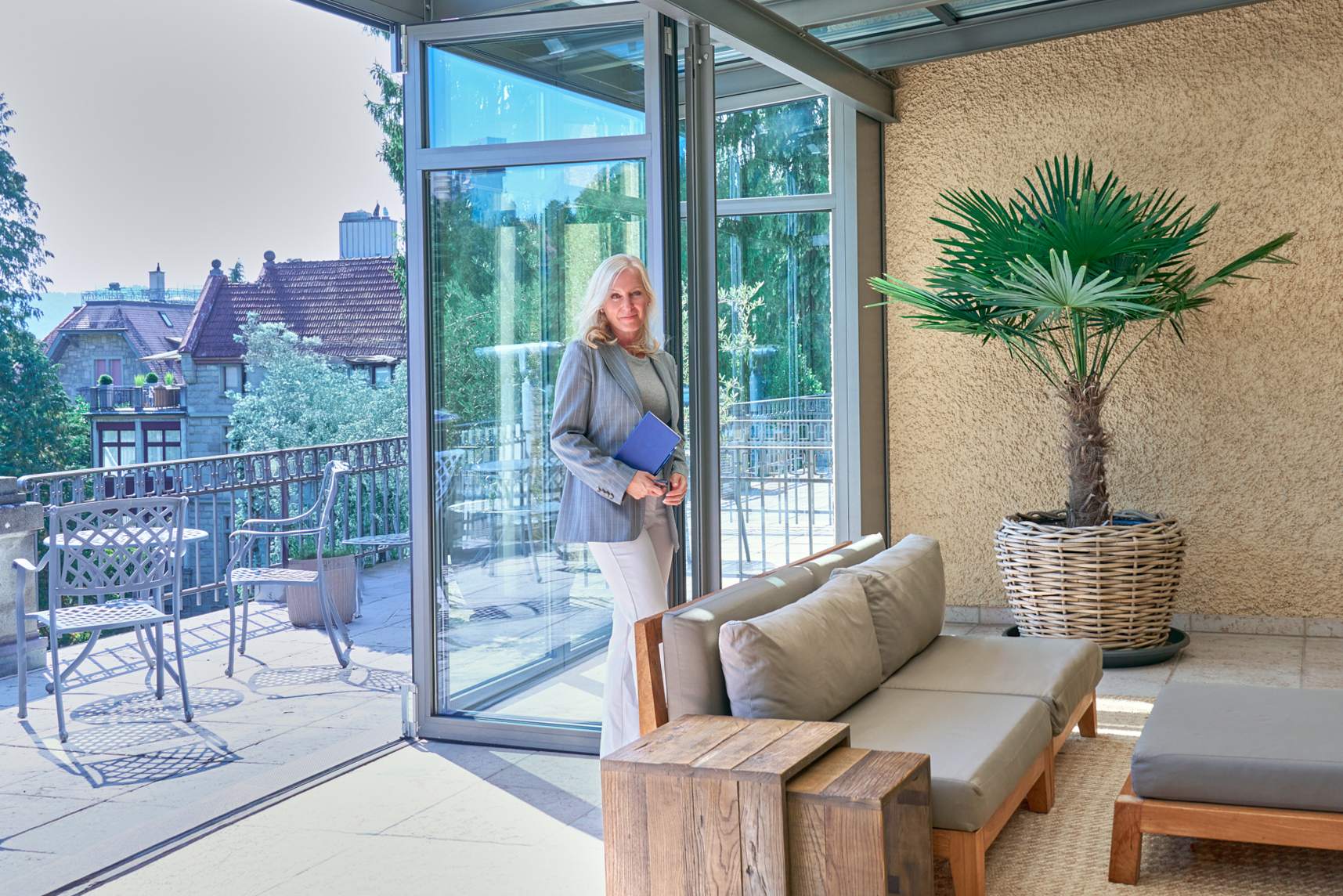
House & Garden: Régine Bischofberger, head of the ZDC, in the Winter Garden, her favorite spot in the complex.
The ZDC is not only part of the company’s history, it’s part of the city’s history. Nor is it merely a story of the last 25 years, but one of almost 125 years, and underscores how this company, as its very name suggests, is steeped in the glorious, often little-known history of the city.
The house that Bircher-Benner built
The main building, on Keltenstrasse, dates back to 1904 when Swiss doctor and nutritionist Maximilian Bircher-Benner founded the pioneering sanatorium known as Lebendige Kraft (or Vital Force). Bircher-Benner was born in Aarau, Switzerland, in 1867, and studied medicine at the University of Zurich, which was founded in 1833. The mid-late nineteenth century was the beginning of a boom time for the city of Zurich: ETH, the esteemed technical university, was established in 1854. The main train station opened in 1871, and the SBB, Switzerland’s national rail, was inaugurated in 1902. The city was also a center for ship building. Zurich Insurance itself began as a marine re-insurer in 1872. By the turn of the century and on through the two world wars, writers and intellectuals found in Zurich a sanctuary, and ideas – whether the Dada-ists at Cabaret Voltaire or the likes of Joyce, Einstein or Lenin at Café Odeon – were bouncing off the cobblestoned lanes.
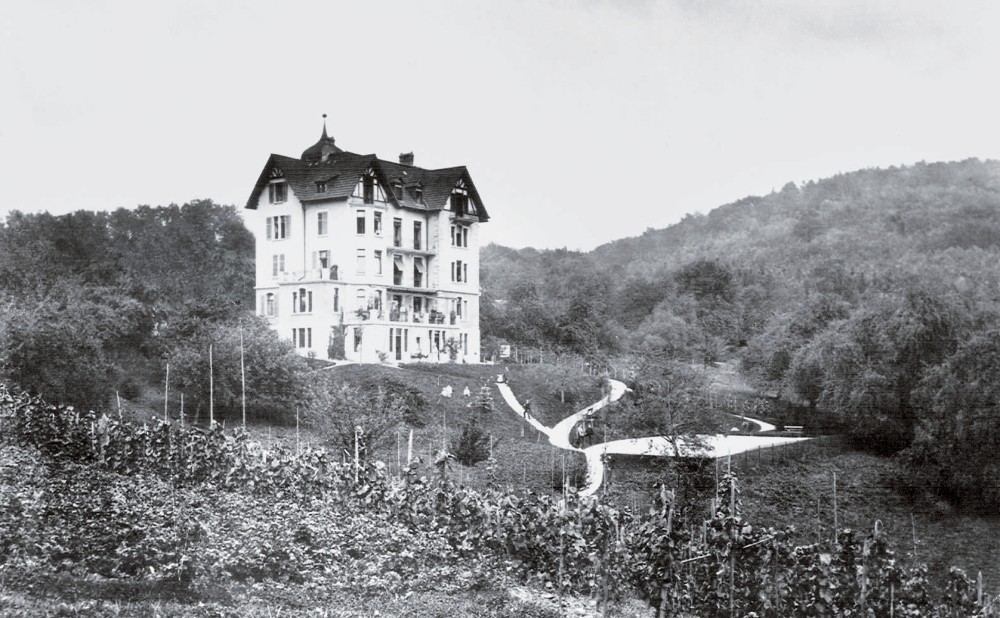
As It Was: The Vital Force Sanatorium, circa 1904....
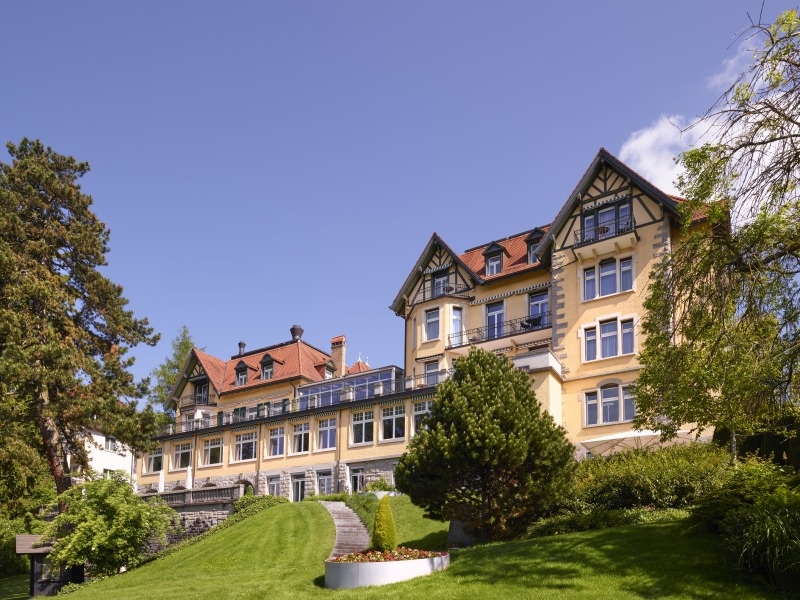
.....and the original building as part of the ZDC today.
Bircher-Benner, too, was a visionary if controversial figure at the time, and though inspired by the German lifestyle movement that advocated for the individual to be more in tune with nature (from which Vital Force took its name), he advanced the idea of consuming less meat and eating more fruits and vegetables – and eating them raw. His colleagues in the medical community were not all on board, and in 1900 the Society of Doctors of Canton Zurich wrote that “Bircher has crossed over the boundaries of science.” Others referred to him as a “fanatic,” a “troublemaker” and even a “charlatan.”
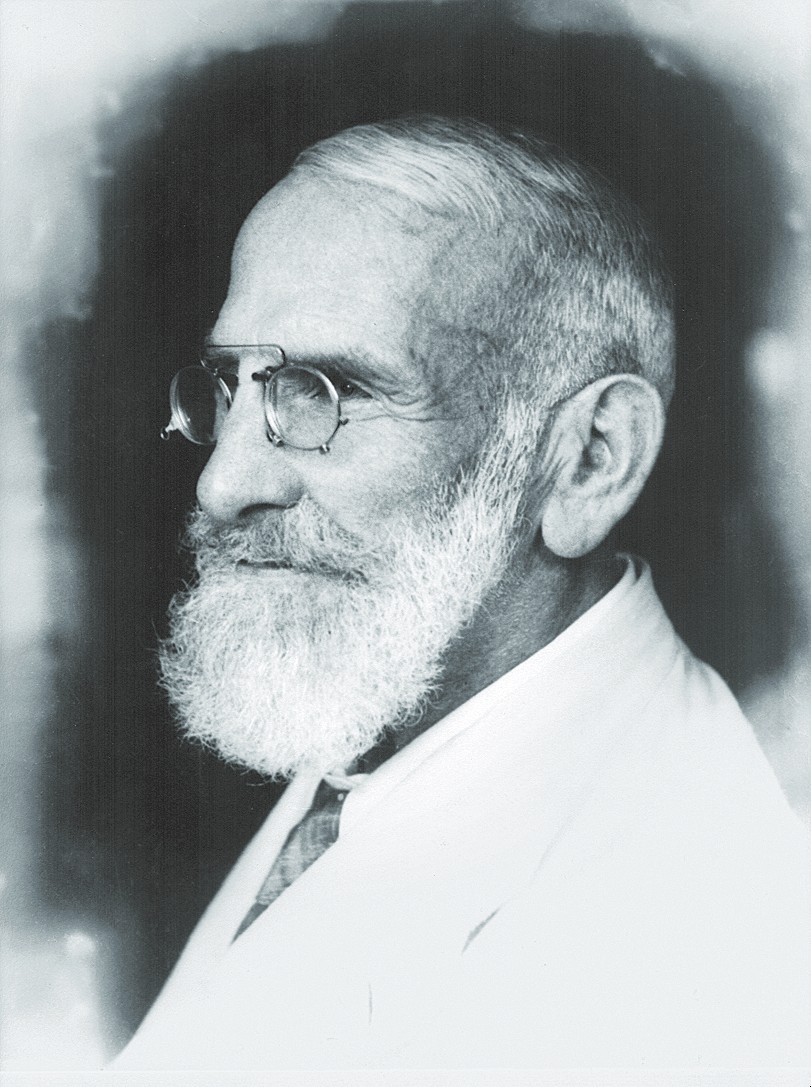
The Good Doctor: Maximilian Bircher-Benner founded the pioneering sanatorium that is now the ZDC.
Undaunted, he moved ahead with his sanatorium, which attracted the chattering classes of the day, such as writers Rainer Maria Rilke and Hermann Hesse, the French-Swiss composer Arthur Honegger, the conductor Bruno Walter and the violinist Yehudi Menhuin.
None other than novelist and eventual Nobel Laureate Thomas Mann – who spent time there in the spring of 1909 to seek help for his digestive troubles – wrote of the sanatorium: “One has to get up at 6 a.m. and it is ‘lights out’ at 9 p.m., and the whole day is spent ‘air bathing,’ sunbathing, undergoing water treatments and gardening. That is hard. At the beginning and for the first five days, I stood in front of my suitcase constantly wresting with my defiant attitude.” Mann told his brother that the place was a “hygienic penitentiary” and referred to Bircher-Benner as a “radical doctor.” But he stayed for four weeks, and his stomach issues improved.
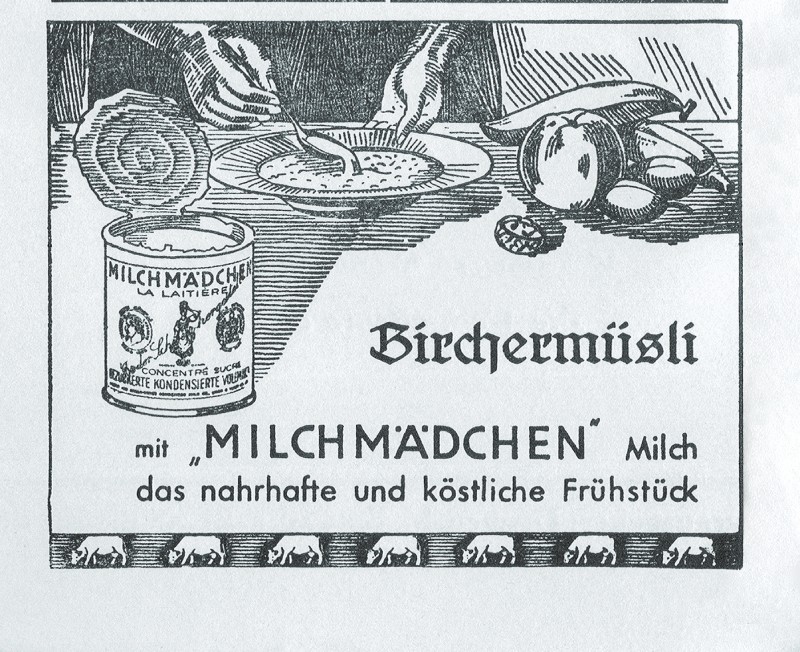
Breakfast of Champions: An early 20th century advertisement for Birchermuesli, which is still served in the original recipe every morning at the ZDC.
Bircher-Benner, who lived with his large family at the facility, died in 1939 of a heart attack at 71 – he was a life-long smoker, ironically – and the sanatorium was re-named the Bircher-Benner Clinic in his honor. His former study has been preserved, along with objects that were near and dear to him, such as a microscope, photographs and an apple grater, which he invented himself to prepare his very own Birchermuesli recipe – one, Bischofberger is proud to say, that is still served fresh every single day for breakfast. “Personally, I love it,” she says, laughing. “And it’s so healthy. I sometimes prepare it myself on the spot!” (And you, too, can follow the original recipe.)
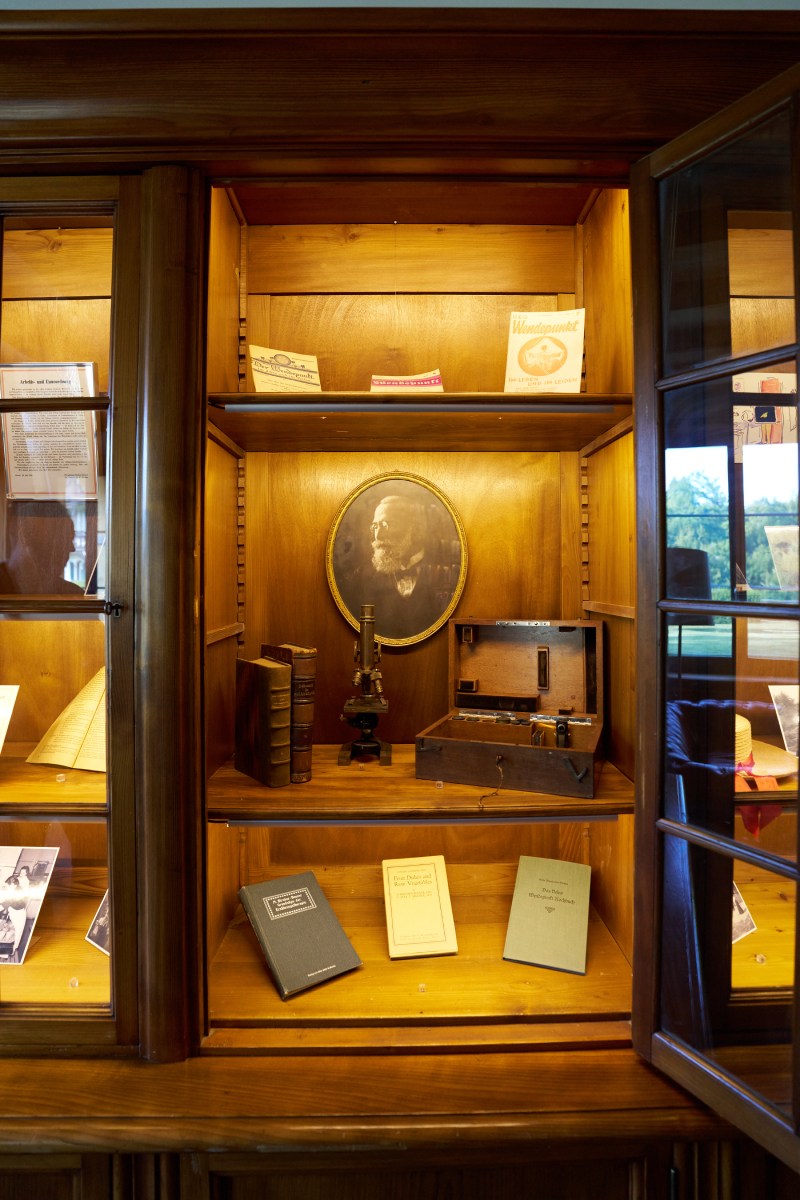
My Favorite Things: The ZDC preserved Bircher-Benner’s study, including a cabinet with objects that were near and dear to him.
The re-birth
Bircher-Benner’s reputation only grew posthumously, as did the clinic’s, which flourished through the 1950s and ’60s under the leadership of his niece, Dr. Dagmar Liechti-von Brasch. But the family eventually sold the property to the Canton of Zurich in 1973, and it slowly lost its luster, which led to its closure in 1994. In 1998, this company, then known as Zurich Financial Services, acquired the space, and after a massive two-year renovation and re-imagination by the architects Aebi & König, it re-opened on October 31, 2000, as the Zurich Development Center. It includes an auditorium that seats up to 240 people and is complete with state-of-the art multimedia equipment; 14 conference labs; a library (with a nice selection of books, it should be said); 83 guest rooms (none of which are exactly the same); two dining rooms; an underground parking garage; and, never to be underestimated, a bowling ally.
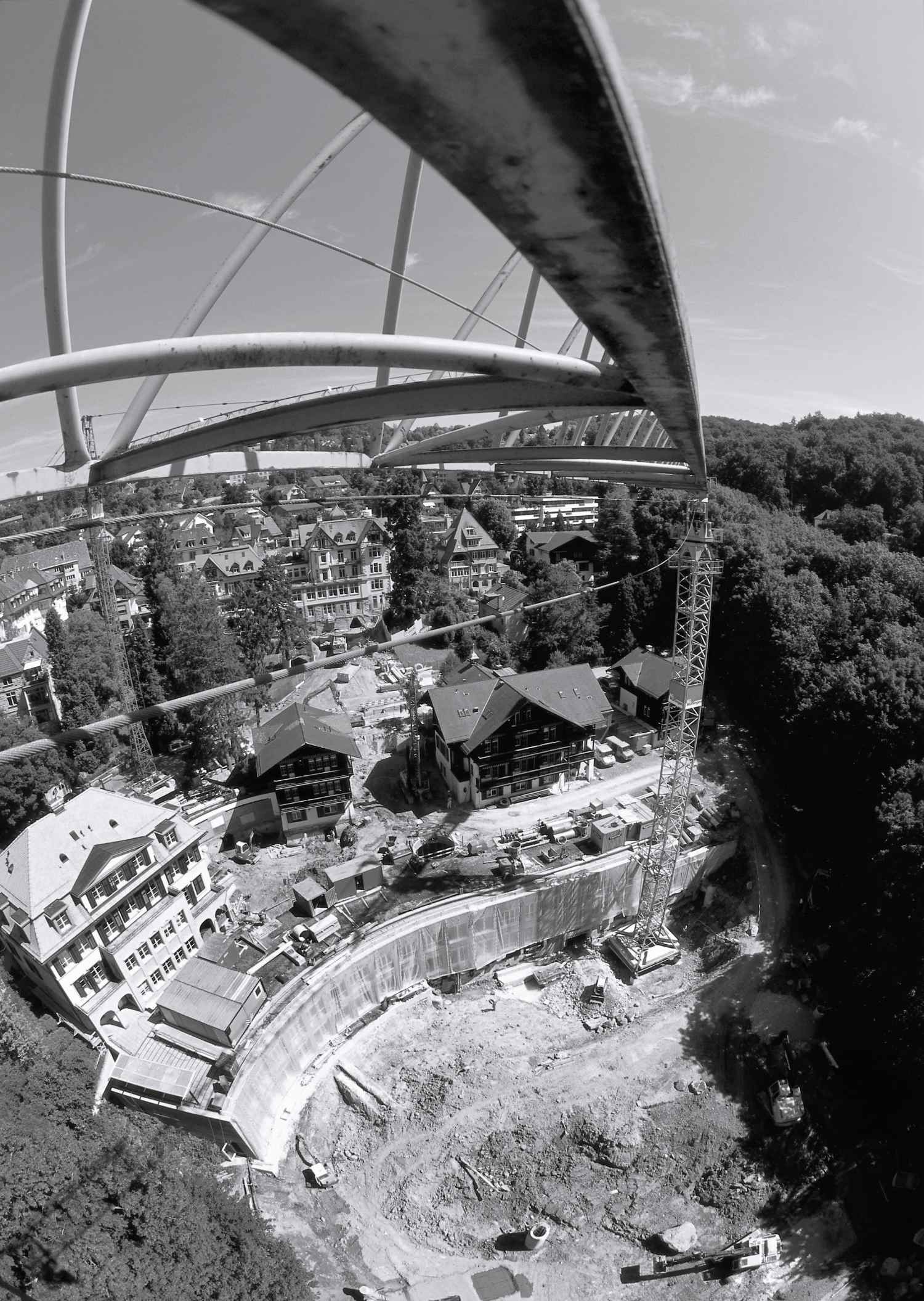
Worksite: The ZDC during its renovation in 1999.
For all of the ZDC’s modern conveniences, it always has to be obsessively maintained and updated to stay relevant, something Bischofberger and her team of 45 are quite mindful of. For instance, she says, lunches were different back then. “They were more formal and seated – and longer. Now the trend has moved away from that to more flexible, healthier and informal options.”
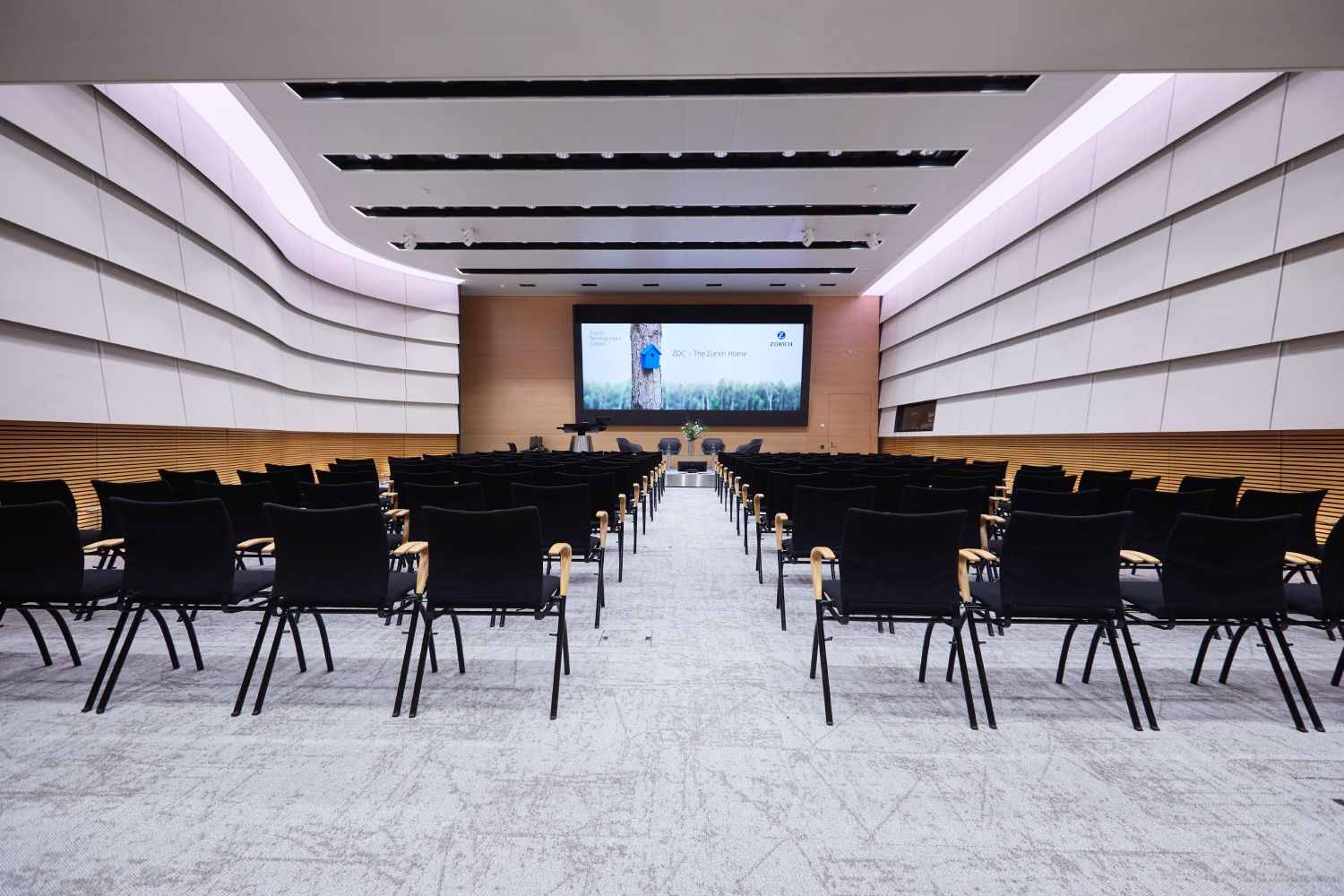
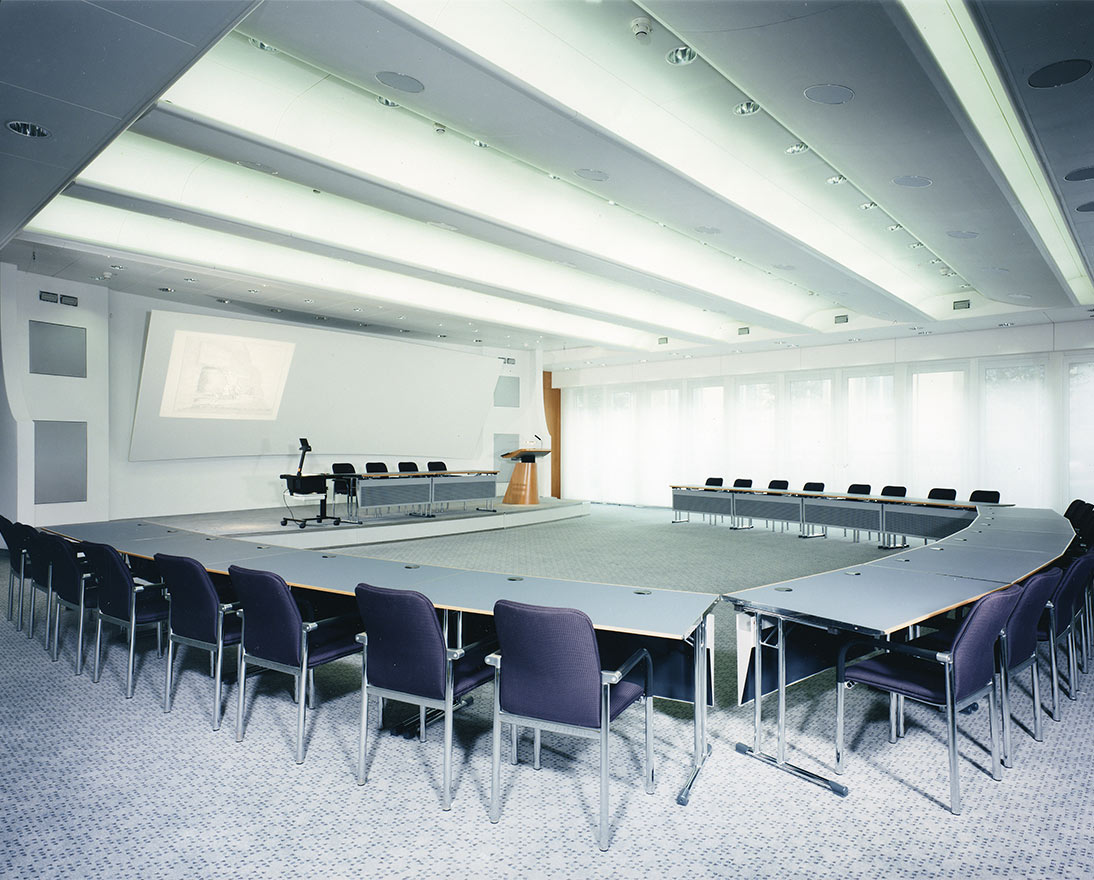
All Business: The ZDC auditorium can seat up to 240 people.
Markus Elsener is from the ZDC’s Multimedia and Infrastructure team and has worked there for 24 years. “In the beginning,” he says, “meetings were conducted differently, so we’ve adapted lab room infrastructure over the years. And in those early years, everything was still analog while today, of course, everything is digital.”
Elsener says he is always challenging himself to raise his game. “Our customers inspire me with new ideas every day. And I have to inspire our customers every day about what is possible.”
If Elsener is one of the veterans of the ZDC team with over two decades of service, Tristan von Hellmann – who had been a concierge at Zurich Group’s main headquarters across town – is the relative rookie, joining in May 2025. “What impressed me most when I started here was the attention to which every detail is considered, from the reception to the technology,” says von Hellmann, who, before his time at Zurich, worked in both the hotel and cruise industries for many years. “You can immediately feel that the ZDC is a place where hospitality is truly lived. When I was working at Quai Zurich Campus, I always loved visiting the ZDC; I felt genuinely welcomed every time. Now being part of the team makes it even more special.”
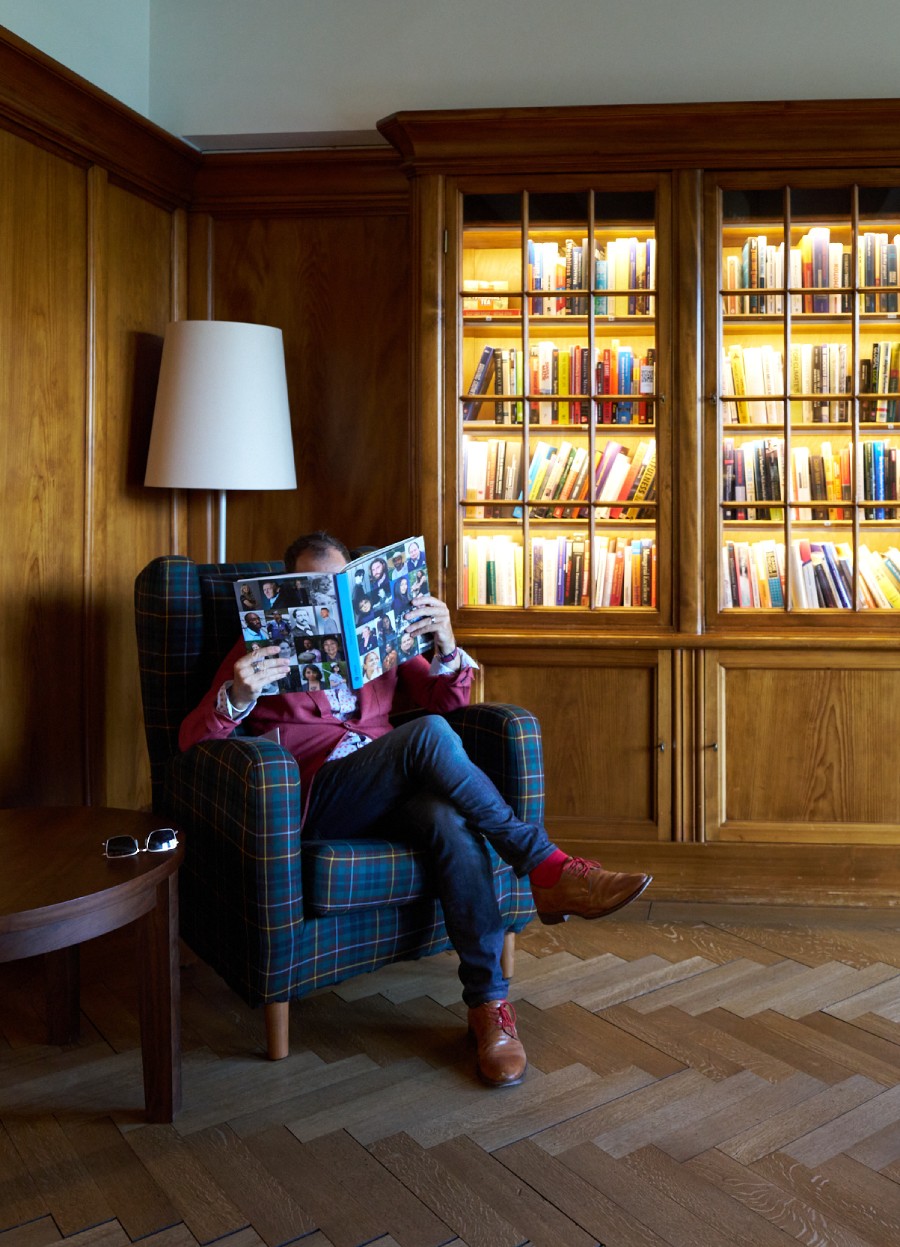
Dear Reader: A visitor devours Zurich’s 150th Anniversary book in the ZDC library.
The people
The ZDC has been designated locally as heimatschutz, that is, protected as landmark status. “This complex is unique in that it’s within the city limits,” Bischofberger says. “Usually, these corporate spaces are located outside of the city. So that Zurich committed 25 years ago to something like this here, in the biggest city in Switzerland, is quite extraordinary.”
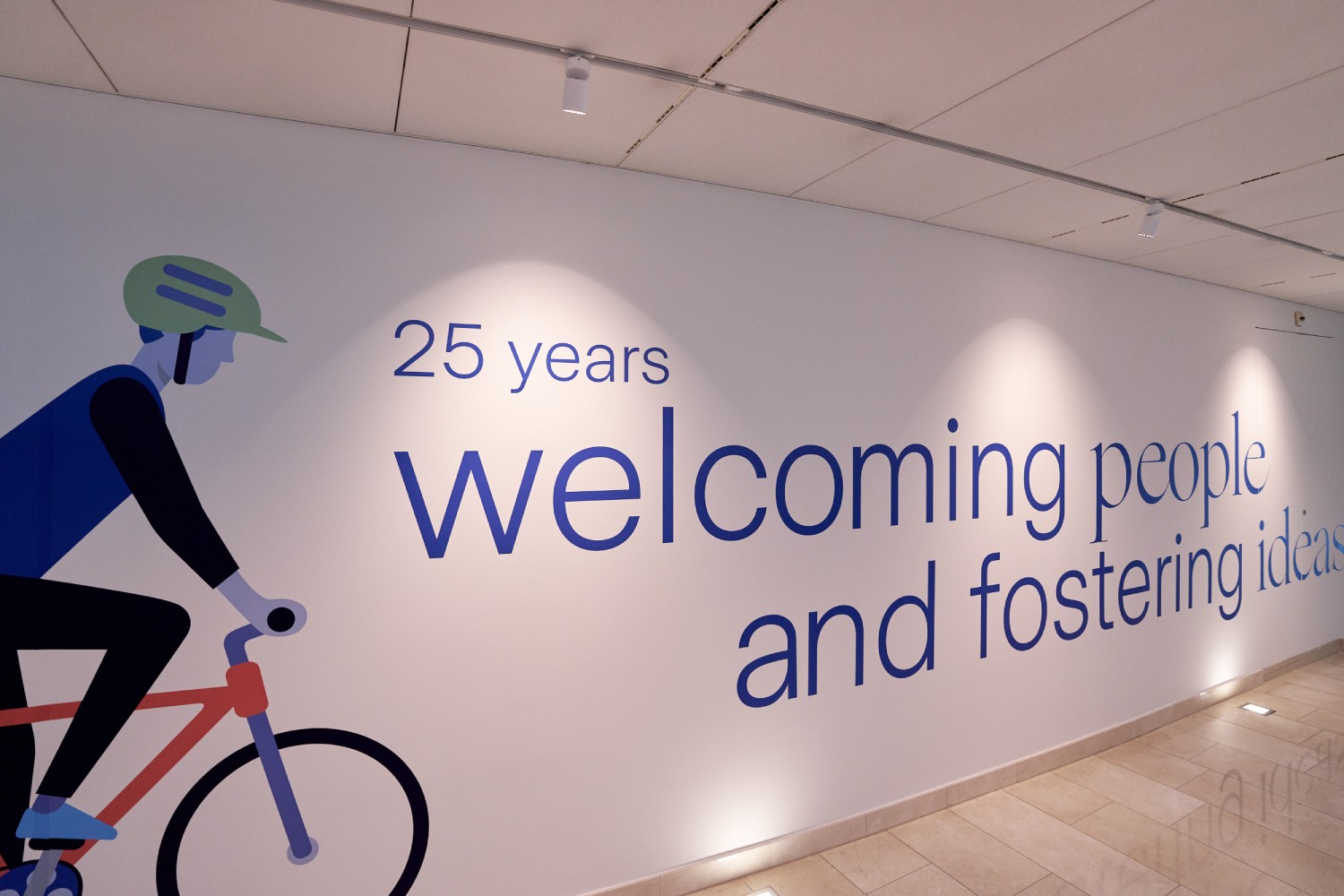
The Writing’s on the Wall: A hallway in the ZDC pays tribute to the 25th anniversary.
Displayed throughout the campus is an expertly curated art collection – all with the emphasis on people – that includes some of the most important figures of the 21st century cannon, artists you’ll encounter from the Venice Biennale to the Whitney Biennial: Cindy Sherman; Kara Walker; Wolfgang Tillmans; Rineke Dijkstra, to name a few.
“Our goal,” Bischofberger says, “is always to create a stimulating experience for all of our guests so that they walk out inspired and with a smile.”
And that, she says, is the best part of her job at the ZDC, the interaction with the people. “Often in a job, you go home in the evening, and you don’t know what you have really done because you spent the entire day in front of a screen. Here you see people, you see how they build their day, what ideas they came up with, what discussions they had. Of course, I have my work in front of the screen, but to see everything, to work in such an environment, is for me quite special. It’s always about the people.”
Archival photos courtesy of the ZDC.