Securing treasures and trade: How Zurich helps Katoen Natie master the art of resilience
CustomersArticleDecember 3, 2025
As global supply chains face growing risks, Katoen Natie and Zurich Insurance Group have built a strong relationship to safeguard everything from priceless paintings to essential goods – ensuring business continuity and resilience for the future.
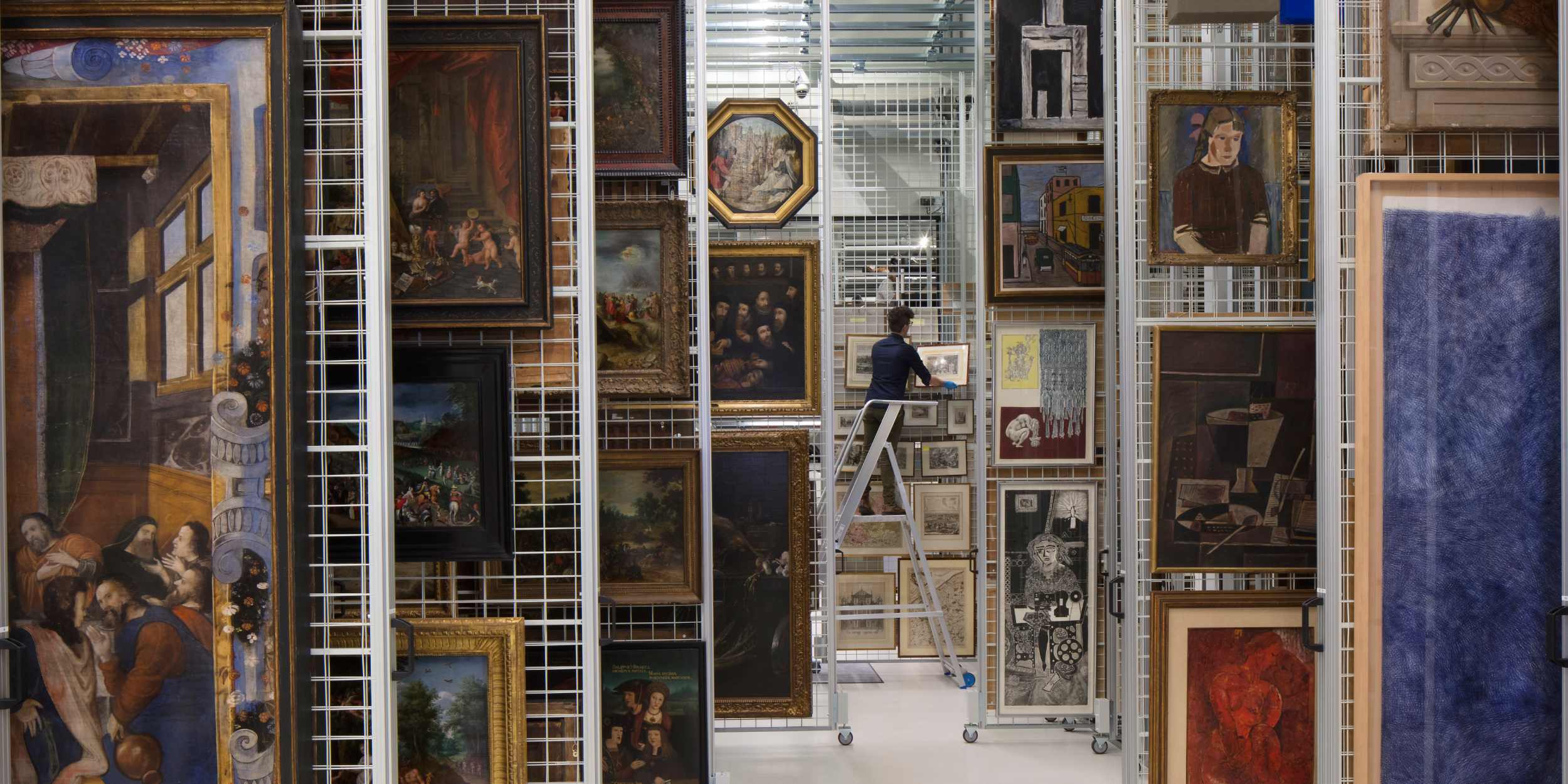
There’s a warehouse near the port of Antwerp, Belgium, that quite literally takes your breath away. Inside this airtight, dust-free facility, oxygen levels are reduced from 21 percent to just 14 percent to protect its precious contents: fine art. Lowering the oxygen not only helps preserve these artworks, but also reduces the risk of fire, as combustion of the warehouse’s contents would require at least 15 percent oxygen.
Next door, a neighboring art depot takes a different approach. Here, the air is refreshed eight times an hour. Temperature is carefully maintained at 20°C (68°F), and humidity kept at a constant 52 percent. Oxygen levels remain normal, but nitrogen tanks stand ready to suppress any fire should the need arise. This warehouse is specially designed to protect delicate pieces, such as wooden sculptures, antique textiles, paper works, and centuries-old masterpieces.
Both art depots sit on a vast logistics site owned by the Katoen Natie group of companies, a privately owned global group with 171 years of history, offering warehousing, industrial subcontracting and supply chain solutions to a wide range of industries. Katoen Natie goes to great lengths to protect its customers’ treasures, often serving municipalities, museums, galleries and private collectors who lack the space or facilities to safely store their artwork.
But Katoen Natie’s commitment extends far beyond fine art. The same meticulous care and attention is given to every product it handles – from coffee and cocoa to plastics, chemicals, vehicles, specialized liquid cargos, and temperature-sensitive pharmaceuticals and consumer goods.
Carl Leeman, Katoen Natie’s Chief Risk Officer, knows that strict risk management controls are vital – not just to safeguard customers’ products and their supply chains, but also to protect the company’s reputation.
“As a company, we are trusted by our customers to develop and manage supply chains that are reliable, safe and secure,” Leeman says. “The role of our employees is to protect those supply chains to ensure we don’t lose our customers’ trust.”
Managing risks across a global network
Protecting Katoen Natie’s sites across 30 countries is no small feat. Globally, it manages more than 1,200 soccer fields’ worth of warehouse space, as well as distribution centers, silos, port terminals, railcar facilities, and 65,000 solar roof panels.
“Managing risk across a global logistics network requires precision, agility, and access to real-time information,” Leeman explains.
Leeman can also draw on decades of risk management know-how – he’s been Katoen Natie’s Chief Risk Officer for 35 years. His experience helped Katoen Natie navigate the COVID-19 pandemic, using contingency plans refined during the SARS outbreak at its Singapore site in 2003. In recognition of his leadership, Leeman deservedly received the “Special Award for Outstanding Contribution to Risk Management” at the 2020 European Risk Management Awards.

“Our long-standing relationship with Zurich means we don’t just get insurance, we get a partner who understands our business.”
Carl Leeman
Chief Risk Officer
Katoen Natie
Today, Leeman identifies cyberattacks as the greatest threat to the business, given their potential to disrupt operations across all sites simultaneously. To address this, the company has made significant investments in cybersecurity and decentralized its IT systems, reducing the risk of a domino effect if any single site is compromised. “You can never say you’re 100 percent cyber secure, because new cyber threats continue to emerge, and cybersecurity will always be a combination of technology and human behavior,” says Leeman. “It’s a never-ending story.”
A relationship built on trust
To help manage an increasingly complex risk landscape, Leeman and his team have worked with Zurich Insurance Group (Zurich) for almost two decades, benefiting from Zurich’s captive arrangements and insurance solutions, including property, accident, marine and liability coverages, and engineering and credit lines. Katoen Natie also works with Zurich Resilience Solutions, Zurich’s risk consultancy, to tap into risk engineering expertise and insights. This is not just a long-term relationship – it’s a close one, too.
For instance, Leeman works directly with Zurich, rather than through a broker, improving communication and building deeper connections. Leeman established a captive insurance company in 2011, enabling Katoen Natie to retain some of its risk on its own balance sheet – providing more control and flexibility over coverage. Zurich acts as one of the fronting insurers, ensuring regulatory compliance, broader market access, and claims support when needed.
“At Zurich, we help customers face risks with confidence by building trusted relationships. Our work with Carl Leeman and the Katoen Natie team is a great example,” says Sierra Signorelli CEO of Zurich Commercial Insurance. “By taking time to engage and understand their business, we can innovate together – protecting assets, supporting growth and creating value.”
This close relationship has, for example, enabled the development of a tailored API connection between Zurich and Katoen Natie. This secure data bridge automatically syncs insurance data, engineering reports, and risk improvement actions, which empowers Katoen Natie to take a more agile approach to risk management.
“Our long-standing relationship with Zurich means we don’t just get insurance,” says Leeman, “we get a partner who understands our business, challenges us to think ahead, and helps us both in our expansions, and in our innovations to stay resilient.”
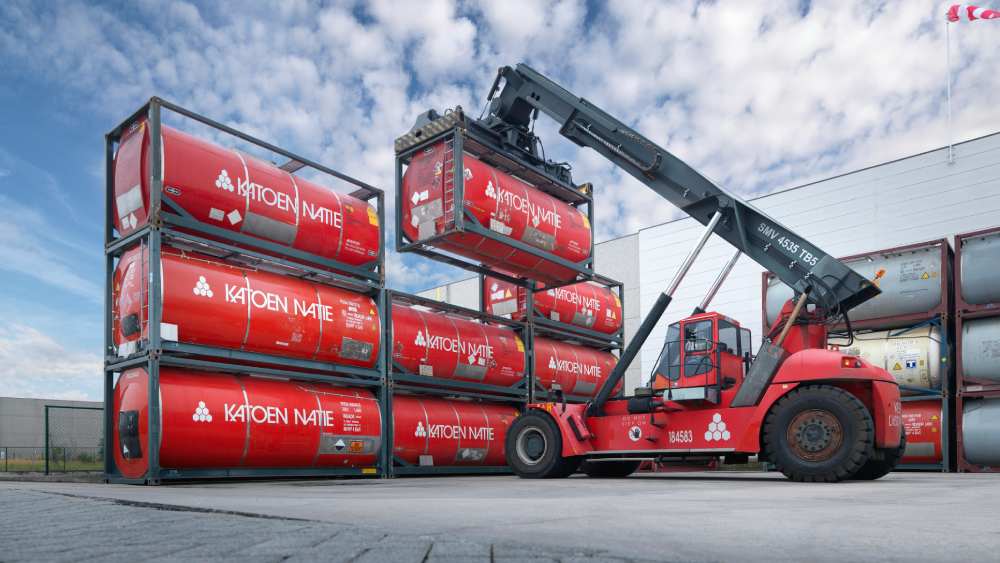
Katoen Natie follows strict risk management controls.
Adapting to growing climate threats
A growing concern for Katoen Natie is the increasing frequency and intensity of extreme weather events. Leeman first contacted Zurich Resilience Solutions for support with climate disclosure and ESG reporting, which require identifying and measuring the impact of climate-related risks on the business. He also sought a forward-looking view of how climate risks could affect operations – especially at sites in Texas, which are highly exposed to flooding, hurricanes, lightning, and even tornadoes.
“Carl Leeman and his team at Katoen Natie are very proactive when it comes to risk management and have robust internal risk practices,” says Dirk De Nil, Global Head of Zurich Resilience Solutions. “But where we really add value is with our climate data models, which can project today’s climate exposures into various future scenarios.”
Zurich Resilience Solutions brings together climate scientists, data experts, modelers, and in-house industry specialists to perform detailed desktop risk assessments – analyzing exposures across the entire value chain, from the portfolio level down to individual sites. This data-driven approach supports customers with long-term planning and investment decisions, while also demonstrating proactive risk management to stakeholders and regulators.
For a more detailed evaluation, Zurich Resilience Solutions offers detailed on-site assessments by risk engineers who specialize in extreme weather and climate-related risks (see box below). These experts uncover issues that may not be visible in data or satellite images. They assess the condition of buildings, infrastructure and surrounding areas, as well as key parts of the value chain, such as energy supplies, that are critical to operations. Customers benefit from practical, site-specific advice and hands-on expertise, supporting targeted improvements that strengthen resilience.
Together, these assessments provide a complete risk picture, helping customers to take proactive steps to protect their workforce and operations. Currently, Zurich Resilience Solutions is carrying out on-site assessments in Belgium, the Netherlands, Italy, and the U.S., and conducting remote desktop assessments in several other countries.
Meeting tomorrow prepared
Zurich’s relationship with Katoen Natie is more than just insurance - it’s focused on anticipating challenges, addressing unique risks, and ensuring business continuity through tailored risk mitigation measures that also enhance insurability.
From the airtight walls of its air depots to supply chain connections that span continents, Zurich enables Katoen Natie to protect what’s valuable – whether priceless paintings or critical business assets. With specialist knowledge and hands-on expertise, Zurich gives Katoen Natie and its customers confidence that what matters most is secure, now and into the future.
On-site climate assessment at Katoen Natie’s site in Antwerp

“Visiting a customer’s site and surrounding area gives us a more granular view of potential exposures.”
Tabea van Hasselt
Climate Resilience Specialist,
Zurich Resilience Solutions
Tabea van Hasselt approaches Katoen Natie’s 230-hectare site near the port of Antwerp – home to 140 soccer fields’ worth of warehouse space – like a detective, searching for clues of vulnerabilities to extreme weather.
As a climate resilience specialist at Zurich Resilience Solutions, van Hasselt inspects dozens of warehouse roofs during her two-day climate assessment looking for signs of damage caused by water, hail or severe winds. She checks the roofs’ drainage capabilities and whether they are protected from being clogged by hail, snow, or other debris. Ultimately, she needs to ensure the roofs remain watertight and have adequate drainage in the event of a heavy rainstorm.

“We share insights and best practices from other site visits across different industries and geographies.”
Ruben Torres Rico
Global Leader Climate Site Assessments
Zurich Resilience Solutions
While on the roofs, van Hasselt also examines the solar panels and other fixtures. Are they securely fixed? Do they show signs of weather damage or movement caused by wind? Can they withstand a severe windstorm? Even small changes can have a big impact. For example, Katoen Natie recently reoriented its solar roof panels to face east-west instead of south – a change that not only reduces wind damage risk but also boosts energy output.
Van Hasselt is joined by her colleague Ruben Torres Rico, Global Leader Climate Site Assessments at Zurich Resilience Solutions. Drawing on his experience conducting hundreds of on-site climate assessments across four continents, he is particularly interested in the dikes and sea wall surrounding the site as satellite imagery suggests there could be gaps in this protection. A closer inspection finds no immediate concerns.
Together, van Hasselt and Torres Rico also inspect the interiors of the warehouses, the silos, and the on-site battery energy storage system that stores excess energy from the solar panels. They also evaluate drainage and flood risks in low-lying areas identified during the desktop assessment.
Their feedback is overwhelmingly positive, with only a few minor risk improvement actions recommended to the customer. This result comes as no surprise as Katoen Natie is known for being proactive in maintaining its sites and minimizing risk.