
couple on the top during a hike

Zurich Climate Focus Funds

By thinking long-term, we help you make a difference for our planet. Support the shift to a low-carbon economy with Zurich Climate Focus Funds. Let’s invest responsibly together.

This is a marketing communication in respect of Zurich Climate Focus Funds. Please refer to the Prospectus, Supplement and KIID/KID available at www.carnegroup.com/zurich before making any final investment decisions.

Our Climate Focus Fund range

Click here for more information on each fund. For more information on the disclosures required pursuant to Regulation (EU) 2019/2088 (SFDR) please see www.carnegroup.com/zurich.

family at the beach

Zurich Climate Focus World Equity Fund

parents swinging their child

Zurich Climate Focus EMU Equity Fund

two woman on a hike at a lake

Zurich Climate Focus US Equity Fund
man walking with the bike

Zurich Climate Focus Euro Corporate Bond

business woman walks with her folders

Zurich Climate Focus US Corporate Bond

What makes our Climate Focus Funds different?

Today, we cannot simply invest in zero-emission companies, as very few if any companies have reached that stage. That’s why the Zurich Climate Focus Funds take investing in low-carbon companies one step further. For certain share classes, we also use carbon offsetting, aiming to reduce the carbon footprint (financed emissions) of your investments and to further align with the 1.5ºC goal of the Paris Agreement.1
Pictogram: Foot 33

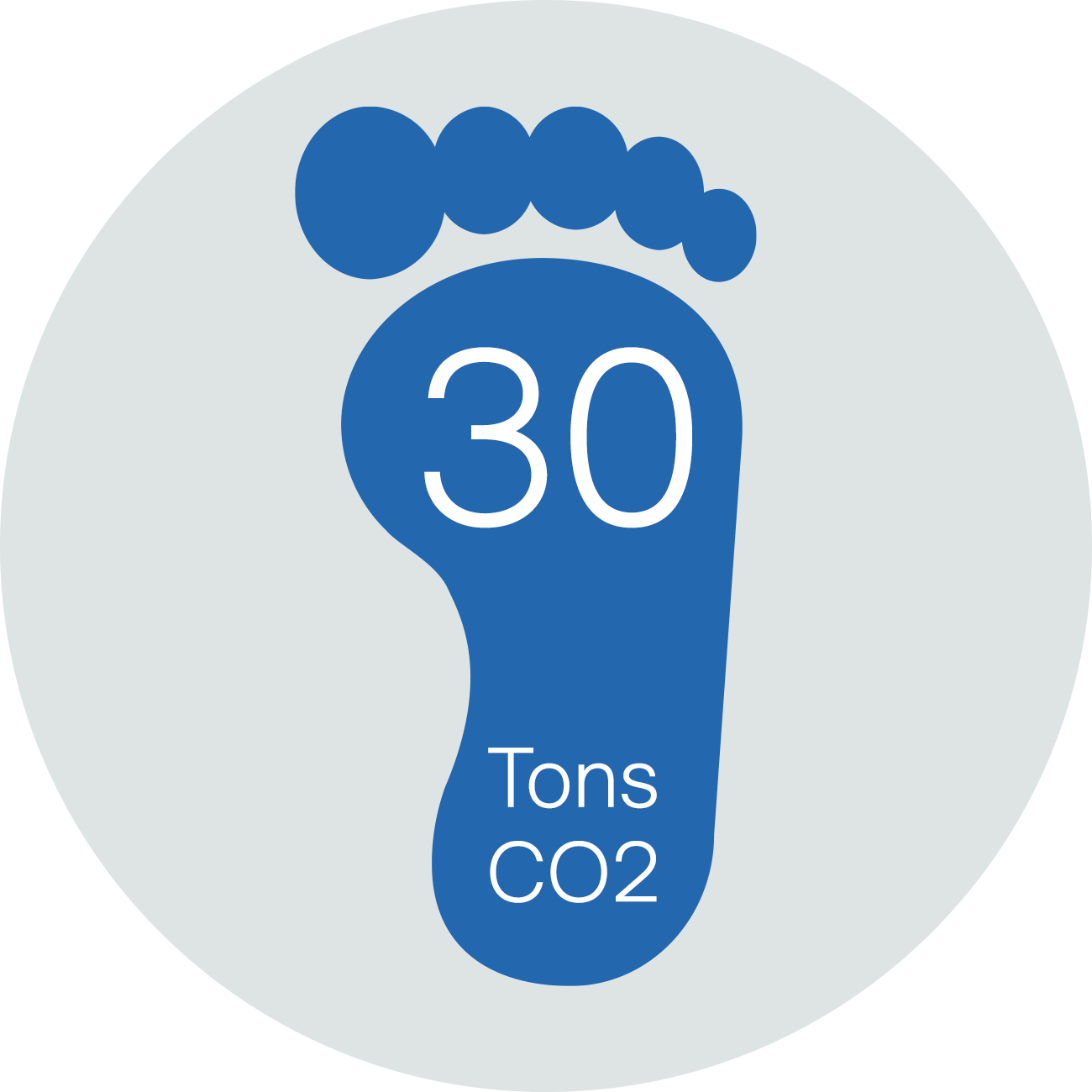
Traditional investment strategies
30 tons of carbon footprint2

Traditional investment strategies typically don't prioritize climate change to the same degree.

The Zurich Climate Focus Funds seek to take climate change very seriously.
Pictogram: Foot 7

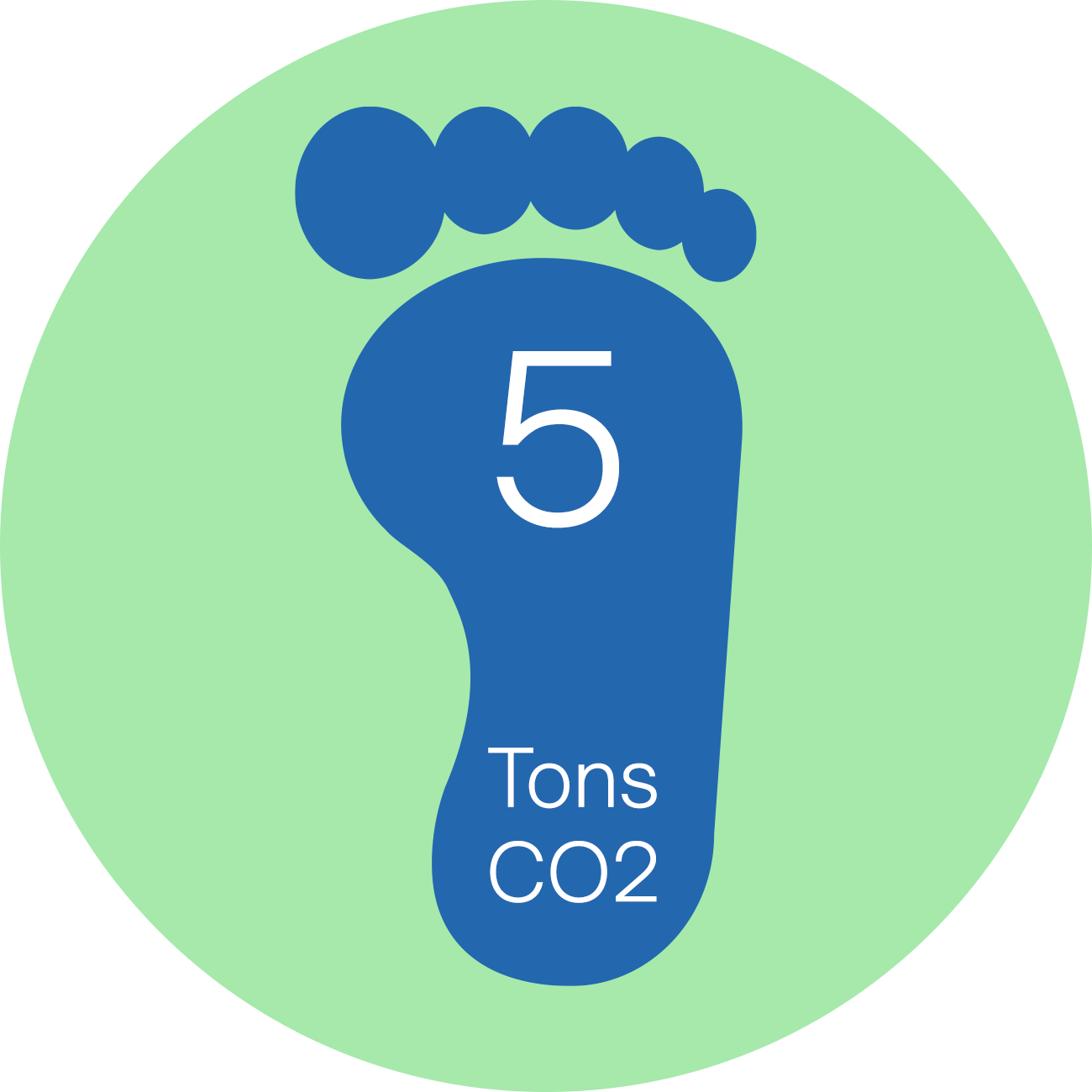
Low carbon investment strategy
6 tons of carbon footprint 3

We invest in companies with low carbon footprints and leaders in clean technology to seek alignment with the 1.5ºC goal of the Paris Agreement.

But the Zurich Climate Focus Funds don’t stop here.
Pictogram: Foot 0

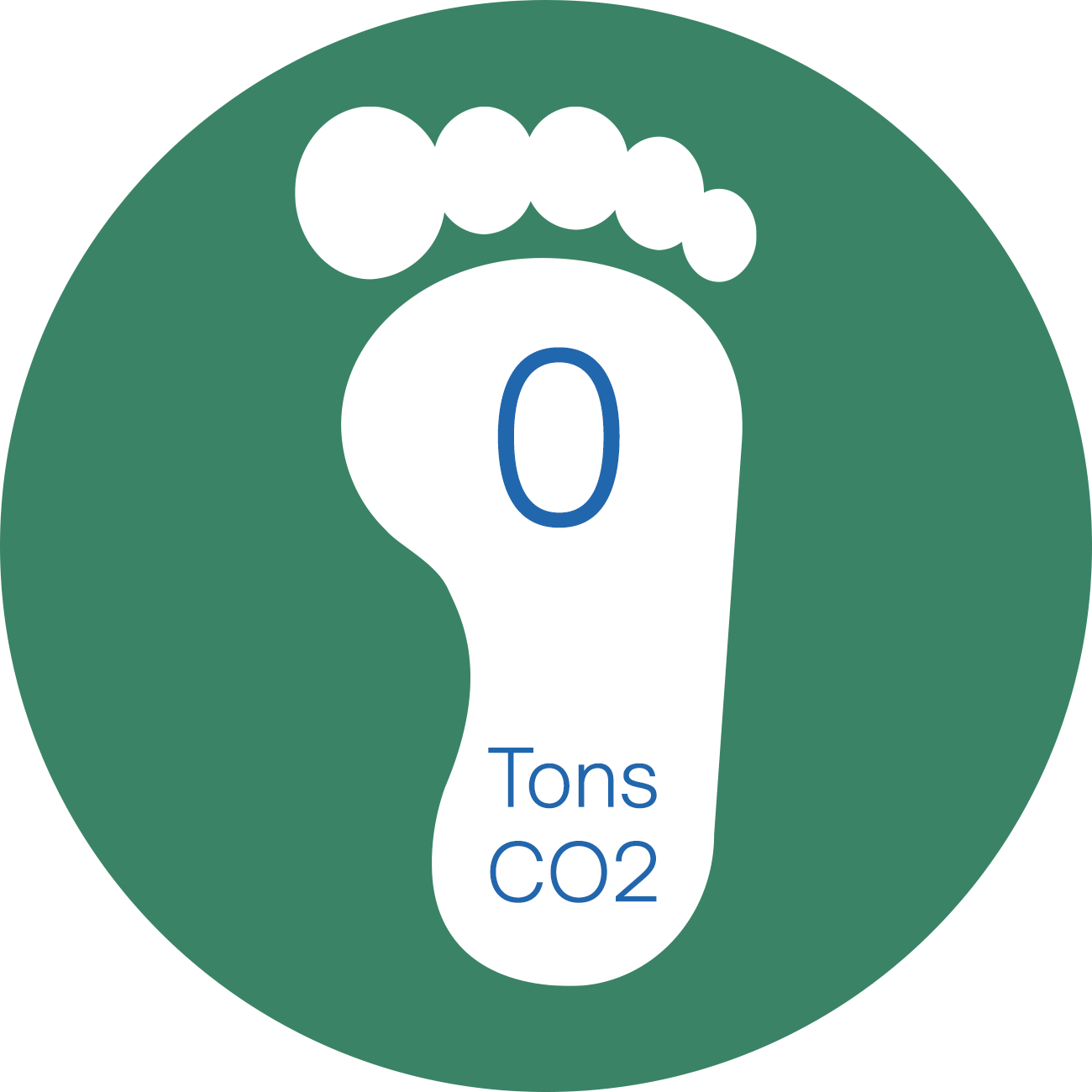
Zurich Climate Focus Funds
0 tons of carbon footprint after offsetting4

For certain share classes, the Zurich Climate Focus Funds seek to offset the 6 tons of emissions generated by companies they invest in.

Let’s invest responsibly together.

Please see the ‘Key risks’ section below for further information on the risks related to carbon offsetting.

The CO2-equivalent emissions numbers presented above are based on the Zurich Climate Focus World Equity Fund. The emissions numbers for the other Zurich Climate Focus Funds can be found on the respective product pages (see section ‘Our Climate Focus Fund range’).
1 Carbon offsetting is applied for share classes in the Fund that are identified as Carbon Offsetting Classes. Please refer to the Supplement of the relevant Zurich Climate Focus Fund available at www.carnegroup.com/zurich for further details.
2 The companies invested in by more traditional funds and investment strategies may create financed emissions of 30 metric tons of scope 1+2 CO2-equivalent emissions per year per million dollars invested if investing in a broad global equity index (MSCI World Index). Estimated data as of 30.09.2025. Source: MSCI.
3 The companies the Zurich Climate Focus World Equity Fund invests in with its low carbon investment strategy create financed emissions of 6 metric tons of scope 1+2 CO2-equivalent emissions per year per million dollars invested by seeking to align with the climate goals of the Paris Agreement through its EU Paris-Aligned global equity index (MSCI World Climate Paris Aligned Ex Select Business Involvement Screens Index). Estimated data as of 30.09.2025. Source: MSCI.
4 After carbon offsetting, the companies the Zurich Climate Focus World Equity Fund invests in with its low carbon investment strategy still create financed emissions of 6 metric tons of scope 1+2 CO2-equivalent emissions per year per million dollars invested, but these financed emissions are being offset for certain share classes using carbon credits. The carbon offsetting is currently achieved by contributing to Trees for Global Benefits (an initiative of ECOTRUST) and the Delta Blue Carbon Project. Estimated data as of 30.09.2025. Source: MSCI.

The key principles of our investment strategy

Aim for performance

with efficient and well-diversified portfolios across developed market investments

Seek alignment with 1.5°C goal

with regular reviews to ensure delivery on the climate ambition

Focus on clean technology companies

and away from investments in fossil fuel-linked companies

Exclude controversial businesses

to rule out investments in companies that have strong negative social or environmental impacts1

Offset remaining emissions

choosing carbon offsetting projects that remove CO2 from the atmosphere

Risks of an investment in the Zurich Climate Focus Funds

There is no assurance that the Zurich Climate Focus Funds will achieve their investment objective, generate profits, or avoid losses. The value of your investment in the Zurich Climate Focus Funds may go down as well as up and you may not get back the amount you originally invested. For more information on the risks associated with the Zurich Climate Focus Funds, please see the section entitled ‘Risk Factors’ in the Prospectus of the ICAV, the Supplement of the respective Fund and the Key Investor Information Document of the respective Fund available at www.carnegroup.com/zurich.

1 The benchmark indexes of the Zurich Climate Focus Funds are periodically reviewed and rebalanced. As a result, there may be smaller exposures to companies classified as controversial businesses between index rebalancing dates.

The Zurich Climate Focus Funds use customized climate indexes seeking to achieve efficient and well-diversified portfolios across developed market investments. They place particular emphasis on companies assessed as well positioned for climate change, both in avoiding climate-related risks and in taking advantage of climate-related opportunities (such as clean technology companies). These customized indexes are reviewed regularly, to help ensure their continued alignment with the Zurich Climate Focus Funds’ stated aims.

The Zurich Climate Focus Funds seek alignment by using an EU Paris-Aligned Benchmark Index. This is a broad market index that has been specifically adapted to create a portfolio of companies which is aligned with the 1.5°C goal of the Paris Agreement, primarily by an initial reduction in carbon emissions intensity and by further reducing the carbon emissions intensity of the index over time. For more information please see: https://www.msci.com/our-solutions/esg-investing/esg-indexes/climate-paris-aligned-indexes

In addition to the EU Paris-Aligned Benchmarks minimum requirements, the Zurich Climate Focus Funds place a focus on ‘green opportunities’ i.e. the businesses pioneering the clean technology solutions needed to tackle climate change. These companies derive large parts of their revenues from environmentally beneficial products and services. The applicable MSCI business categories are: alternative energy, energy efficiency, green building, pollution prevention, and sustainable water & agriculture. When putting things into practice, the Zurich Climate Focus World Equity Fund aims to be fully aligned with the TCFD (Task Force on Climate-related Financial Disclosures) recommendations on metrics, targets and transition plans.

There are some companies the Zurich Climate Focus Funds prefer not to invest in because their products or services could have strong negative social or environmental impacts. Primarily, these are companies involved in manufacturing nuclear and controversial weapons. For other controversial sectors, such as conventional weapons, alcohol, tobacco, gambling or nuclear power, the Zurich Climate Focus Funds have strict investment thresholds.

To offset the financed carbon emissions, the Zurich Climate Focus Funds calculate the estimated carbon footprint of the portfolio of investments and purchase the equivalent number of carbon credits from Zurich’s carbon offsetting partners. Here is how it works in detail:

First, the Zurich Climate Focus Funds’ financed carbon footprint is estimated:

  • Every month, MSCI tracks the estimated carbon emissions of the companies that the Zurich Climate Focus Funds invest in
  • At year end, the carbon footprint of the Zurich Climate Focus Funds is estimated relative to the value invested based on the emissions data provided by MSCI

Then we offset:

  • We purchase the equivalent number of Verified Emission Reduction Certificates (VERs) from our carbon offsetting partner
  • We only use removal-based carbon credits, which aim to decrease the amount of CO2 in the atmosphere
  • We permanently cancel the VERs and ensure they can never be used again

While ensuring transparency:

  • We publish the information necessary to verify the carbon offsetting calculations and VER cancellation in the annual report of the Zurich Climate Focus Funds (as part of the SFDR periodic disclosures)

The calculation of the estimated carbon footprint of the portfolio of investments of the Zurich Climate Focus Funds may be inaccurate, arising from factors including inaccurate reporting of carbon emissions data or the use of estimates. For more information on the risks associated with the Zurich Climate Focus Funds, please see the section entitled ‘Risk Factors’ in the Prospectus of the ICAV, the Supplement of the Fund and the Key Investor Information Document of the Fund available at www.carnegroup.com/zurich.


Our carbon offsetting partners

To reinforce the Zurich Climate Focus Fund’s low carbon investment strategy, we use removal-based offsetting of the financed carbon emissions. This means we invest in projects that remove CO2 from the atmosphere, while also contributing to nature restoration and improving community well-being. Zurich currently partners with Trees for Global Benefits (an initiative of ECOTRUST) and the Delta Blue Carbon Project on carbon offsetting.1
Delta Blue Carbon logo Ecotrust logo  

Trees for Global Benefits is a carbon offsetting cooperative scheme for farmers in Uganda. The project aims to achieve long-term emission reductions by combining carbon sequestration with improvements in rural livelihoods.

The Delta Blue Carbon Project on the southeast coast of Pakistan is pioneering climate change mitigation through the protection, restoration and sustainable management of mangrove forests in partnership with the Government of Sindh.

There is a risk that the Carbon Offsetting projects selected for the Climate Focus Funds may not be able to deliver the number of carbon credits required to offset the estimated carbon footprint of the Climate Focus Funds. Accordingly, the Carbon Offsetting projects selected for the Climate Focus Funds are subject to change.

Find out more about Trees for Global Benefits
Find out more about Delta Blue Carbon

1 Carbon offsetting is applied for share classes in the Fund that are identified as Carbon Offsetting Classes. Please refer to the Supplement of the Zurich Climate Focus World Equity Fund available at www.carnegroup.com/zurich for further details.

Key risks

There is no guarantee that the Zurich Climate Focus Funds' attempt to offset their estimated carbon footprints will be achieved. The actual carbon footprint of the portfolio of investments of the respective Zurich Climate Focus Fund may therefore be higher or lower than the estimated carbon footprint due to circumstances beyond control of Zurich Invest ICAV or its delegates. Attention is drawn to the risk that the value of the principal invested in the Fund may fluctuate.

The SFDR (meaning Regulation 2019/2088 of the European Parliament and of the Council of 27 November 2019) has been subject to a phased implementation process, which commenced on 10 March 2021 and imposes additional disclosure obligations on financial market participants. As additional information becomes available, and as further guidance is issued by the Central Bank and the European Supervisory Authorities in this regard, such SFDR related disclosures in the Fund's marketing materials and website disclosure in respect of the Fund and/or the classification of the Fund as an Article 8 fund under SFDR may be subject to change and in such event, will be updated accordingly.

The Zurich Climate Focus Funds may invest in financial derivative instruments to hedge against risk and/or to increase return. There is no guarantee that the Zurich Climate Focus Fund’s use of derivatives for either purpose will be successful. Derivatives are subject to various risks including but not limited to counterparty risk (including potential loss of instruments), liquidity risk, correlation risk and legal risk and are highly sensitive to underlying price movements, interest rates and market volatility and therefore come with a greater risk than directly investing in the underlying securities themselves.

Transaction costs and other fees and expenses to be borne by the Zurich Climate Focus Fund and exchange rate factors where the underlying equities are denominated in a different currency to the Zurich Climate Focus Fund's base currency or currency of any class of shares are likely to affect the ability of a Zurich Climate Focus Fund to track the performance of the Index.

ADRs and GDRs do not always perform in line with the underlying security and there is no guarantee that a similar outcome will be achieved to that if it were possible to hold the securities directly. In the event of the suspension or closure of a market(s) on which the underlying securities are traded, there is a risk that the value of the ADR/GDR will not closely reflect the value of the relevant underlying securities. Additionally, there may be some circumstances where the Zurich Climate Focus Fund's investment manager cannot, or it is not appropriate to, invest in an ADR or GDR, or the characteristics of the ADR or GDR do not exactly reflect the underlying security.

Changes in the exchange rate between the base currency and such denominated currency of an unhedged currency share class may lead to a depreciation of the value of such shares as expressed in the denominated currency. Fluctuations in the exchange rate between the currencies of the Zurich Climate Focus Fund's underlying assets and the currency of a share class may lead to currency risk for the holders of shares in the relevant class. Shareholders of hedged share classes should be aware that they may be substantially limited from benefiting if the denominated currency rises against the base currency.

For more information on the risks associated with the Zurich Climate Focus Funds, please see the section entitled ‘Risks Factors’ in the Prospectus of the ICAV.

Glossary

AuM Assets under management.
Benchmark index An index that can be used by an investment fund as the basis of comparison for assessing the performance achieved.
Carbon footprint Total CO2-equivalent financed emissions in metric tons per year per million dollars invested. The CO2-equivalent carbon intensity (emissions per million dollars invested) is calculated based on EVIC (Enterprise Value including Cash).
Carbon offsetting Funding a reduction or removal of CO2-equivalent emissions to compensate for the carbon emissions associated with a particular activity (e.g., operating a business).
Clean technology (‘green’) companies Aggregate exposure to companies that derive 20% or more revenue from alternative energy, energy efficiency, green building, pollution prevention, or sustainable water (MSCI clean technology themes).
Controversial business involvement Aggregate exposure to companies with any ties to controversial weapons, companies engaged in civilian firearms activities, companies with any ties to nuclear weapons, companies flagged for involvement in tobacco, companies engaged in the production, distribution and retail of adult entertainment materials, companies engaged in the production, distribution, retail and supply of alcohol-related products, companies producing conventional weapons and components, companies engaged in gambling-related business activities, companies deriving 5% or more revenue from Genetically Modified Organisms (GMO) activities, companies engaged in nuclear power activities, companies with evidence of owning proven and probable coal reserves and/or proven oil and natural gas reserves used for energy purposes, companies deriving any revenue from thermal coal mining or unconventional oil and gas extraction, and companies deriving 50% or more revenue from thermal coal-based power generation.
Fossil fuel sector (‘brown’) companies Aggregate exposure to companies that derive any revenues from (i) the exploration, mining, extraction, distribution or refining of hard coal and lignite; (ii) the exploration, extraction, distribution (including transportation, storage and trade) or refining of liquid fossil fuels; and (iii) exploring and extracting fossil gaseous fuels or from their dedicated distribution (including transportation, storage and trade).
MSCI World Index The MSCI World Index captures large and mid-cap representation across 23 developed markets countries. The Index covers approximately 85% of the free float-adjusted market capitalization in each country.
MSCI World Climate Paris Aligned Ex Select Business Involvement Screens Index The Index is designed to support investors seeking to reduce their exposure to transition and physical climate risks and who wish to pursue opportunities arising from the transition to a lower-carbon economy while aligning with the Paris Agreement requirements. The Index is designed to exceed the minimum standards of the EU Paris-Aligned Benchmark. Additionally, the Index applies certain values-based exclusion criteria. The Index is constructed from the MSCI World Index (‘Parent Index’) following an optimization-based approach.
Paris Agreement The Paris Agreement is a legally binding international treaty on climate change. It was adopted by 196 Parties at the 21st UN Climate Change Conference (COP21) in Paris on December 12, 2015 and entered into force on November 4, 2016.
Removal-based offsetting Removal-based offsetting focuses on capturing CO2 that has already been released into the atmosphere, thereby actively reducing the concentration of greenhouse gases. This differs from carbon avoidance, which aims to prevent or reduce the initial emission of carbon dioxide (and other greenhouse gases). For further information please see°https://www.zurich.com/sustainability/planet/sustainable-operations/carbon-removal-and-carbon-neutrality.
(Share of) EU taxonomy-aligned investments Percentage allocation to investments defined as environmentally sustainable under Article 2, point (1) EU Taxonomy Regulation (meaning Regulation 2020/852 of the European Parliament and of the Council of June 18, 2020).
(Share of) sustainable investments Percentage allocation to investments defined as sustainable under Article 2, point (17) SFDR (meaning Regulation 2019/2088 of the European Parliament and of the Council of November 27, 2019).
Verified Emission Reduction Certificates Carbon credits generated by carbon offset projects that have been developed according to internationally recognized standards. A carbon credit corresponds to an avoidance, or a removal of one metric ton of CO2-equivalent emissions.

Investment decisions should only be made after a thorough reading of the current versions of the prospectus of the Zurich Invest ICAV, the supplement of the Zurich Climate Focus World Equity Fund and the latest key investor information document ('KIID') available at www.carnegroup.com/zurich.

For Swiss investors: The representative in Switzerland is FIRST INDEPENDENT FUND SERVICES AG, Zürich. The paying agent in Switzerland is NPB Neue Privat Bank AG, Zürich.

For German investors: The role of Information agent in Germany in accordance with section 309 para. 2 of the German Investment Code is undertaken by Zürich (Deutschland), Solmsstraße 27-37, 60486 Frankfurt am Main, Deutschland.

For Austrian investors: The Zurich Invest ICAV has appointed Erste Bank der oesterreichischen Sparkassen AG as its domestic paying and information agent under section 141(1) InvFG, Official Gazette no 2011/77. The Zurich Invest ICAV has also appointed Erste Bank der oesterreichischen Sparkassen AG as its tax agent. The details of the paying agent and tax agent are as follows: Erste Bank der oesterreichischen Sparkassen AG - Am Belvedere 1, 1100 Wien, Austria.
Related pages