The resilient workforce
Adapting today, to meet tomorrow prepared
Why resilience matters now
In a world defined by rapid change, resilience is emerging as a critical workforce capability. Based on insights from more than 11,175 people across 16 countries, the Global People Resilience Study examines what drives resilience, why it matters for employers, and how it can help people prepare for what's next.
By the numbers
people

What is personal resilience?
Resilience isn’t the alternative to wellbeing. Wellbeing measures how people are doing today. Resilience is forward-looking. It is the process through which we maintain, recover, and - where possible - enhance our wellbeing in the face of change and disruption.
How do we measure personal resilience?
Personal resilience is measured through three dimensions: Beliefs, Capabilities, Behaviours.
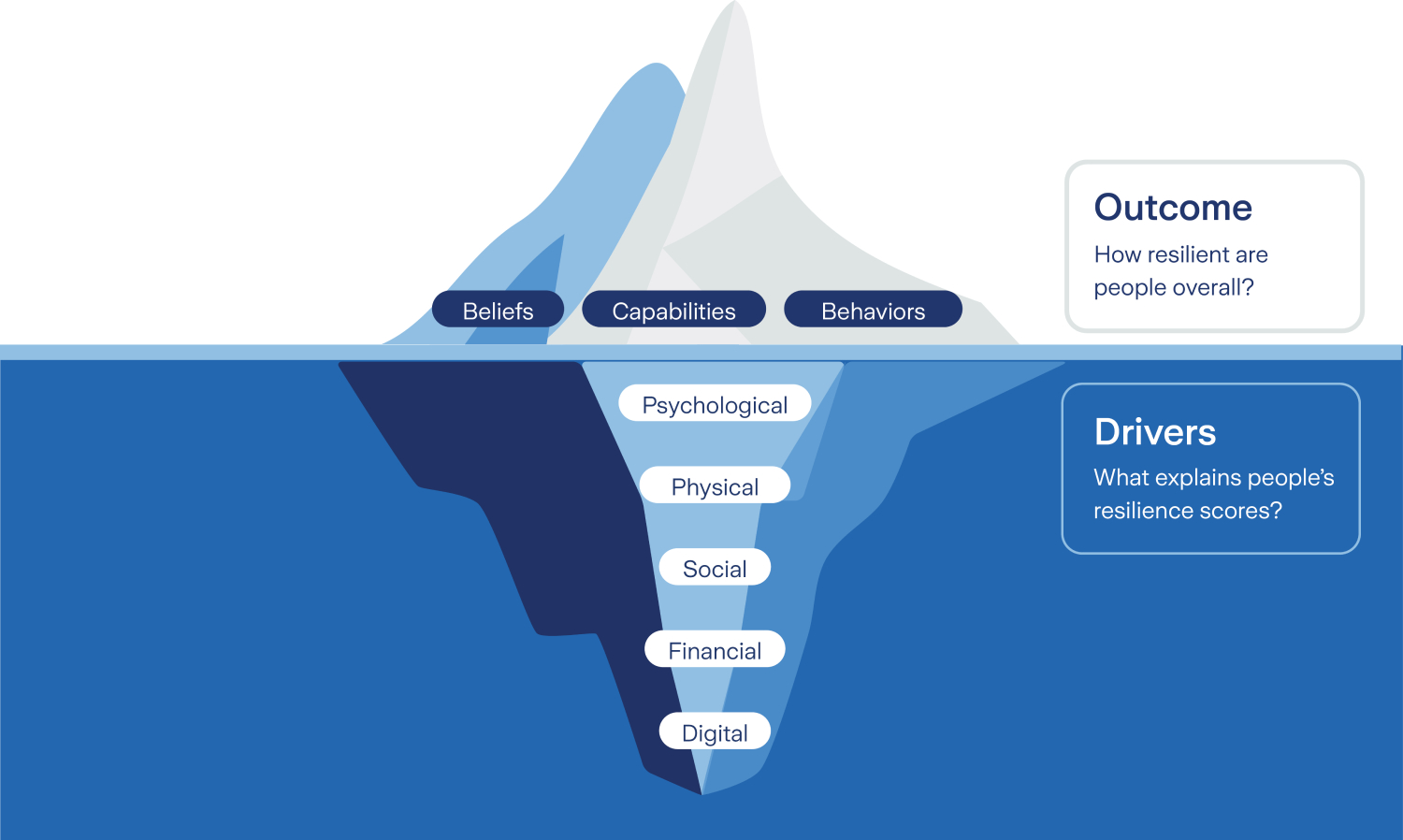
By measuring both resilience outcomes and their underlying drivers, the Personal Resilience Index helps organisations identify where to take action.
Why resilience matters for employers
Resilience is a leading indicator for workforce performance.
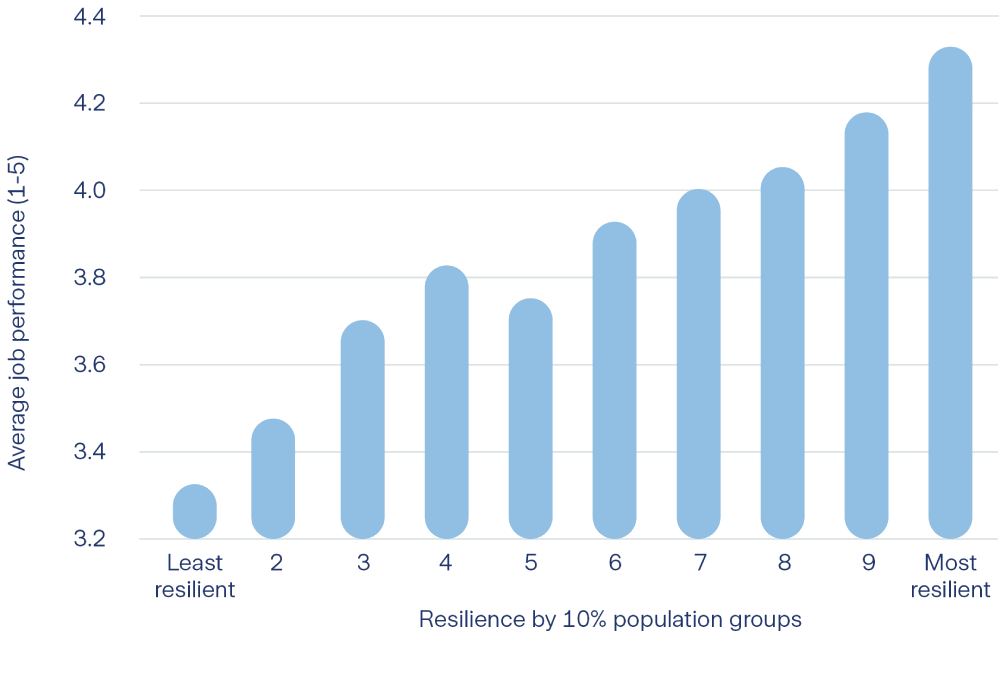 The relationship between resilience and performance holds true regardless of occupation or job level, from individual contributors to senior leaders.
2x
Workers with the highest resilience report good or excellent performance at twice the rate of those with the lowest resilience (88% vs. 44%).
2.5x
Resilience is 2.5x more predictive of job performance than income.
Resilience gives employers a genuine head start: because it looks forward rather than back, tracking it means acting before pressure becomes a crisis.
Explore the key insights





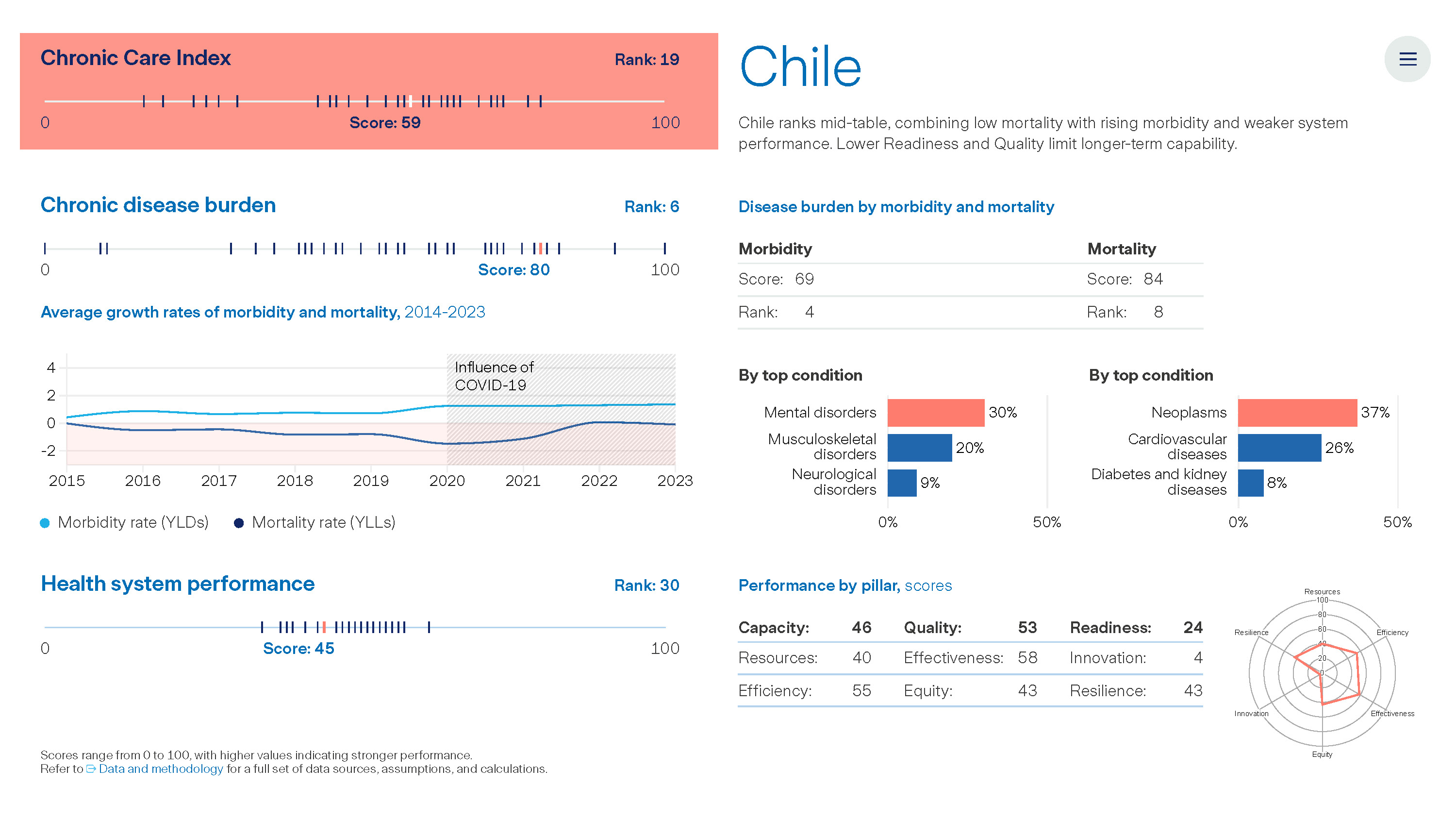
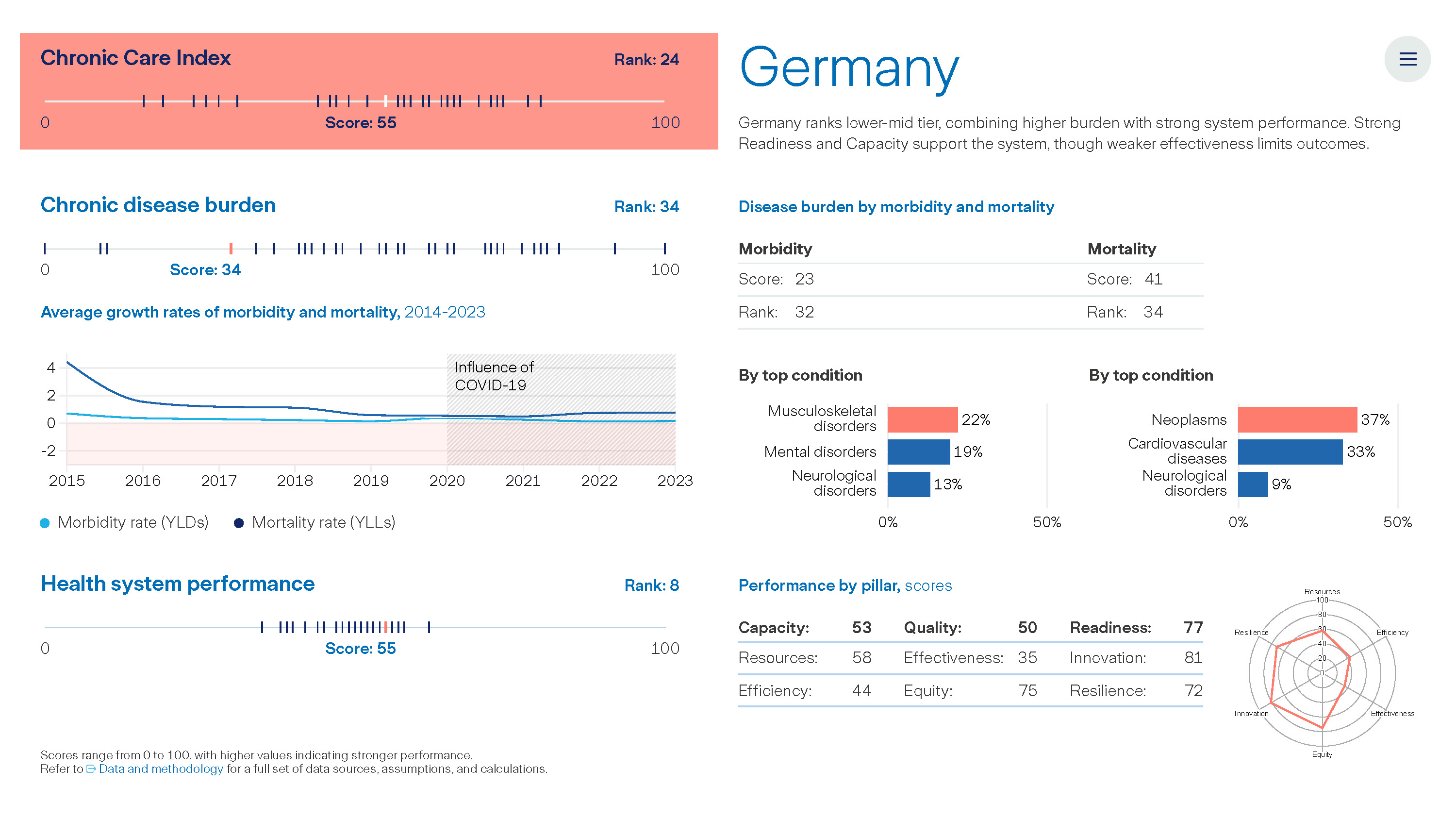
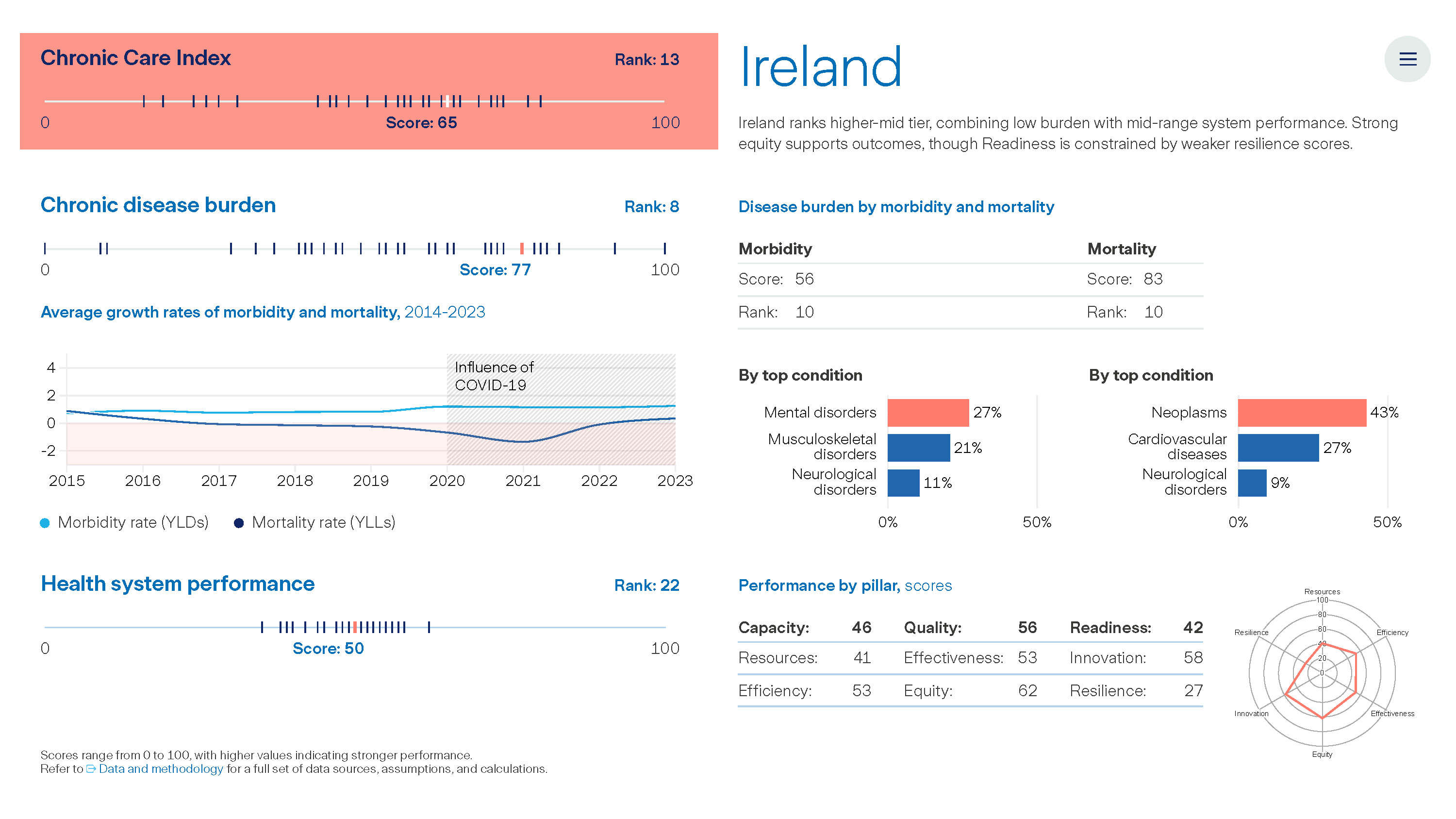
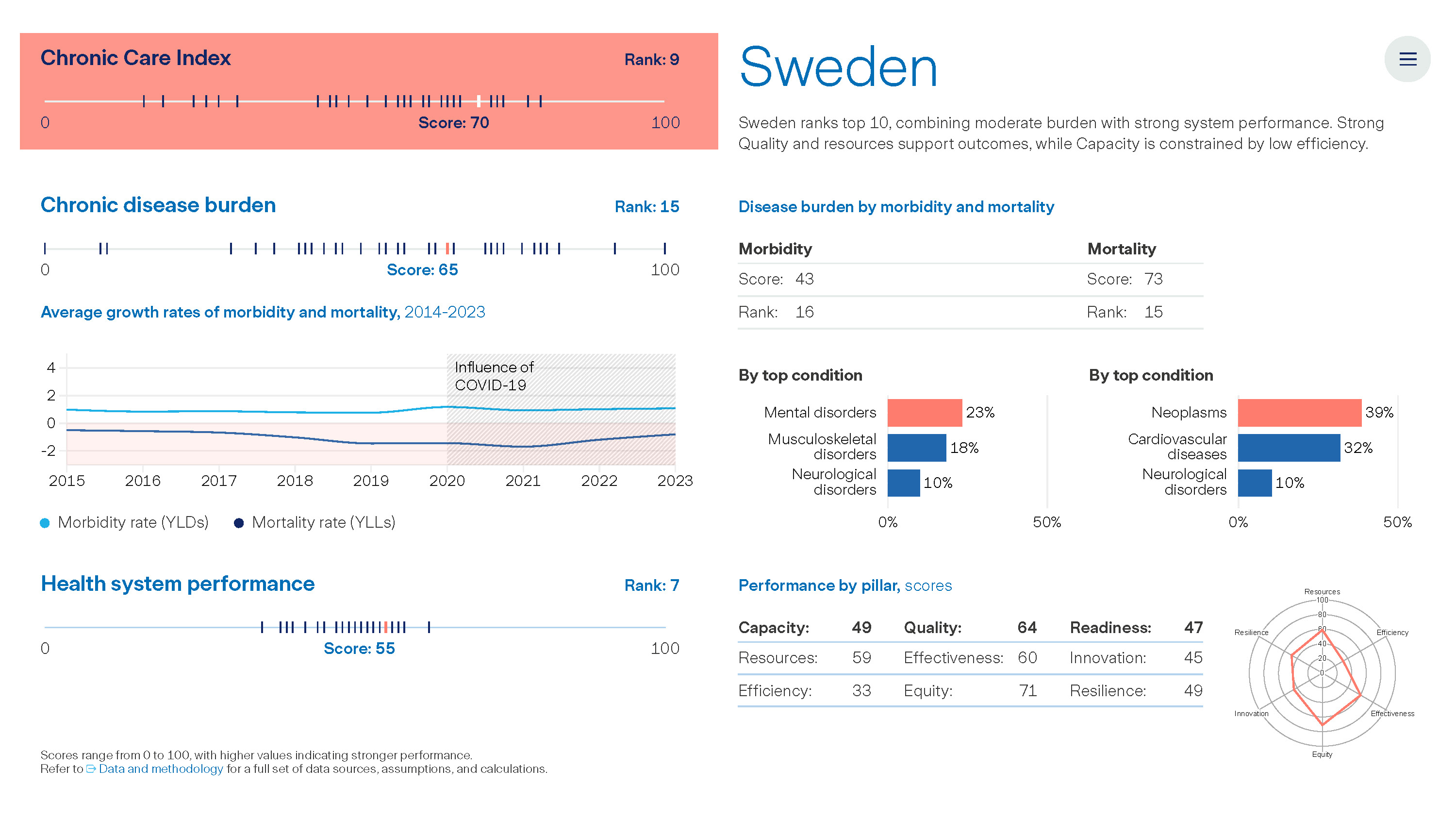
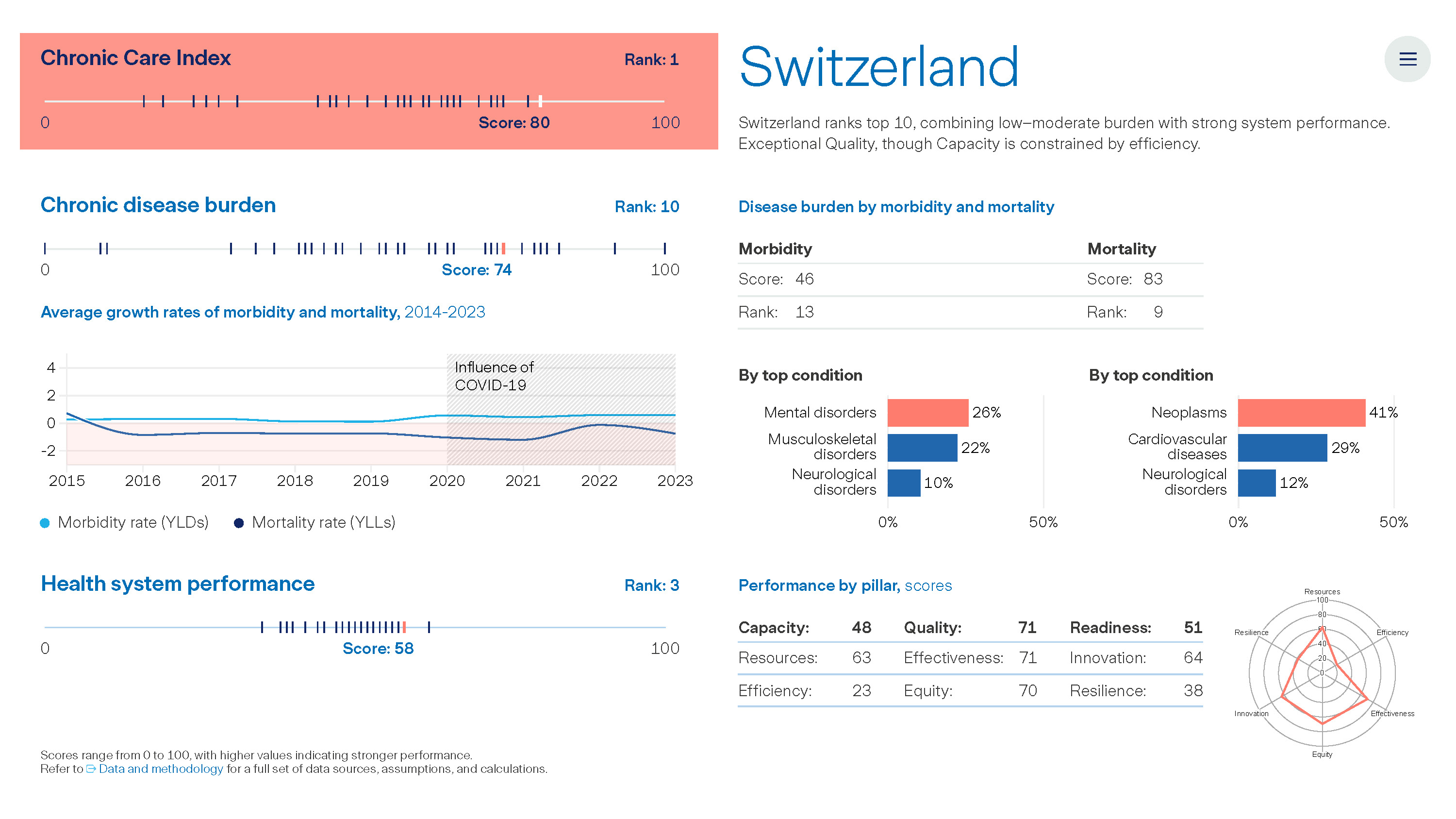
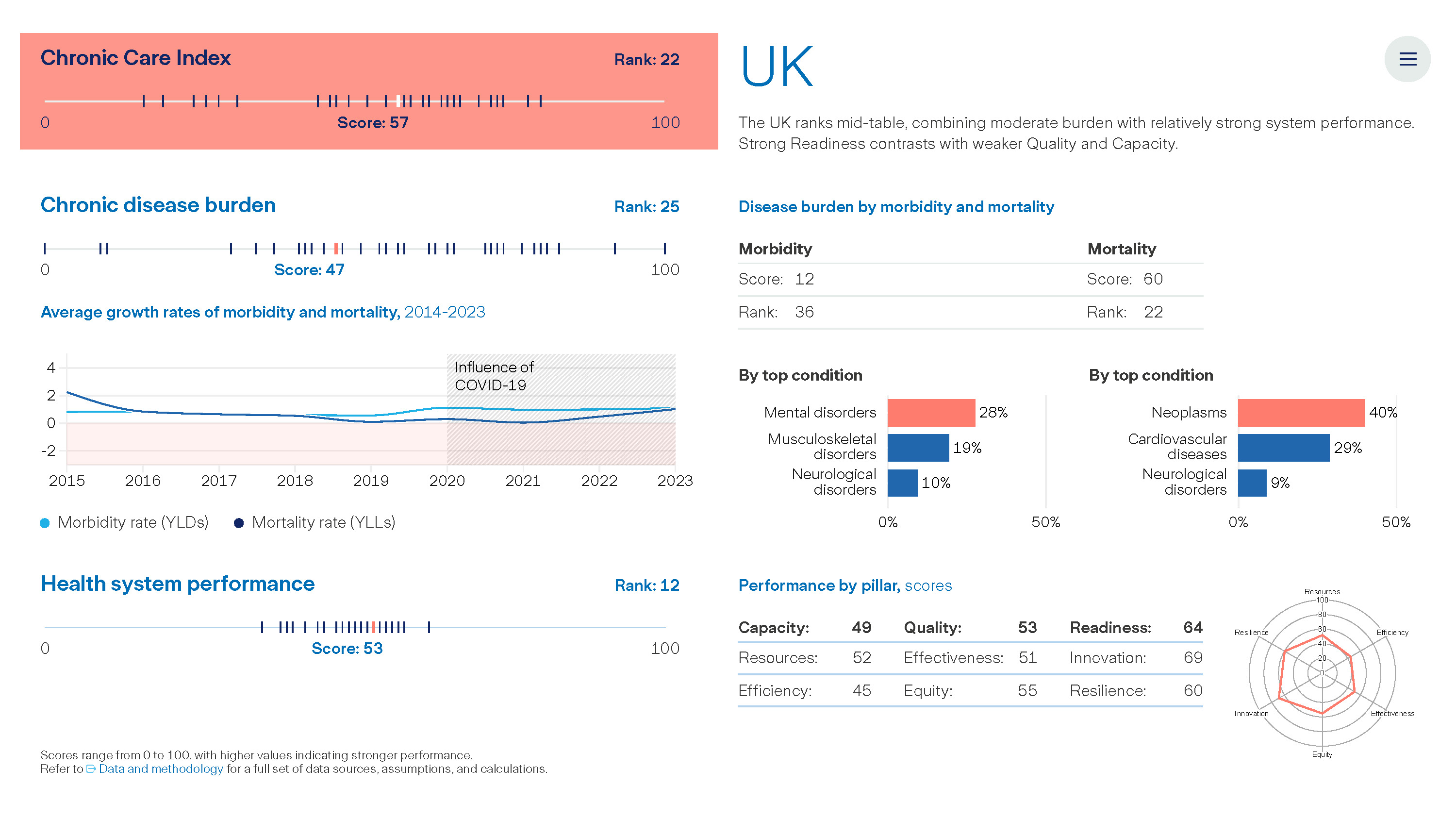
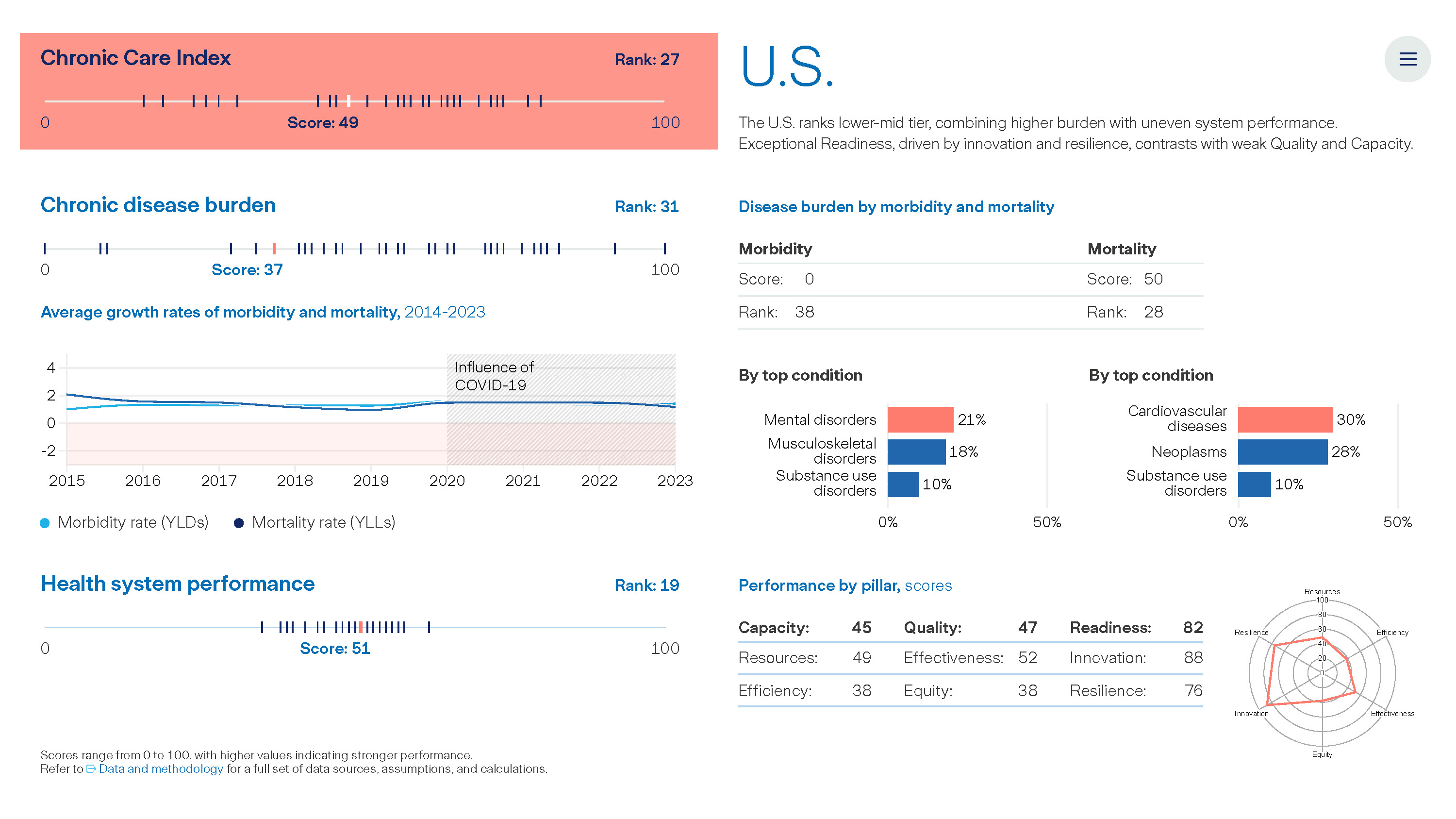
Resilience looks different around the world
Each country's resilience reflects its unique cultural, social and economic context. The profiles are intended to reveal local patterns and opportunities rather than rank countries against one another.